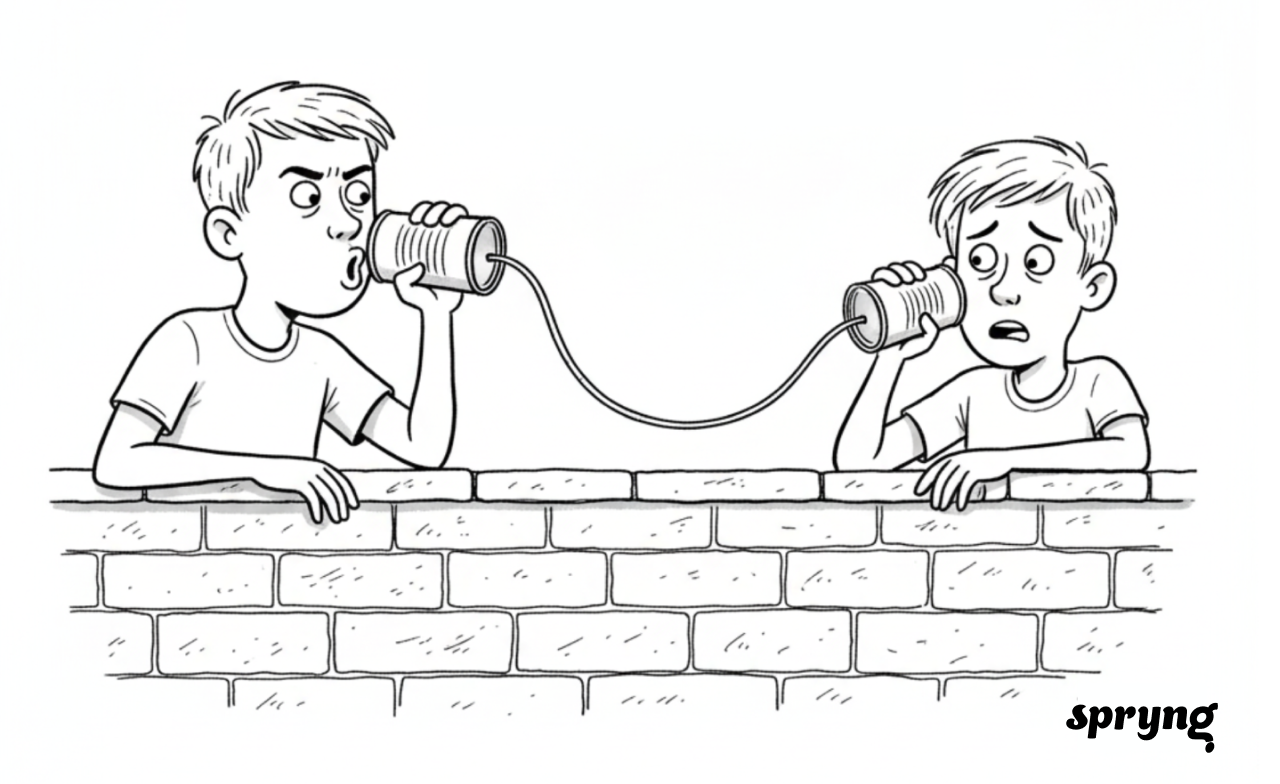

Australia’s nationwide ban on social media for under-16s is the boldest attempt yet to reset how young people interact with platforms that shape their attention, identity, and mental health. Supporters call it overdue. Critics call it blunt. Teens call it unfair.
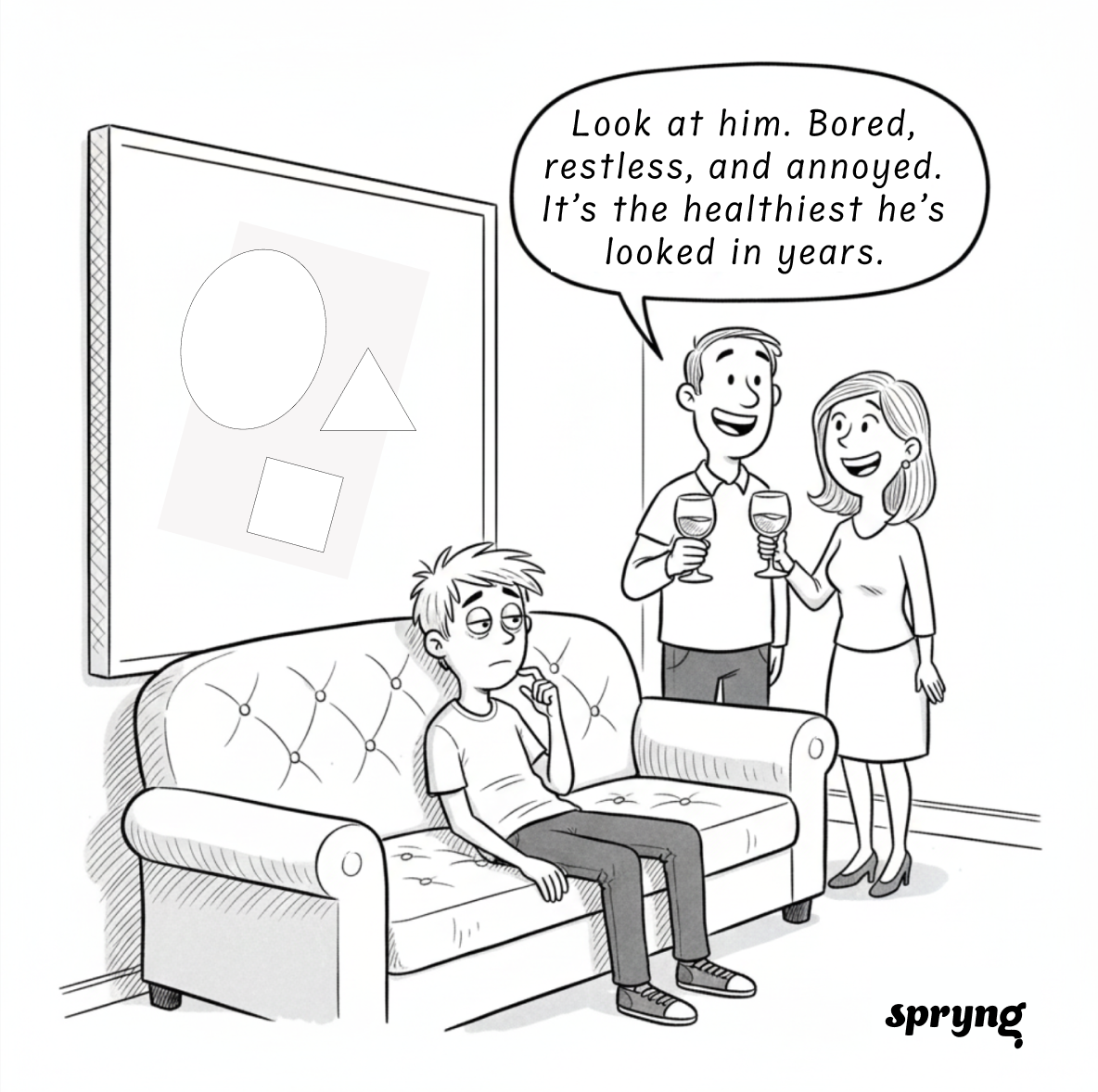
Survey 1: Should governments be allowed to block teens from social media outright?
What the Ban Hopes to Fix
The law aims to reduce anxiety, limit harmful content, disrupt addictive design, and give teens space to form offline identities. It was heavily influenced by social psychologist Jonathan Haidt, whose research links rising teen anxiety and depression to the smartphone era. His message to governments—step in where platforms won’t—landed strongly in Canberra.
What Teens Say They’re Losing
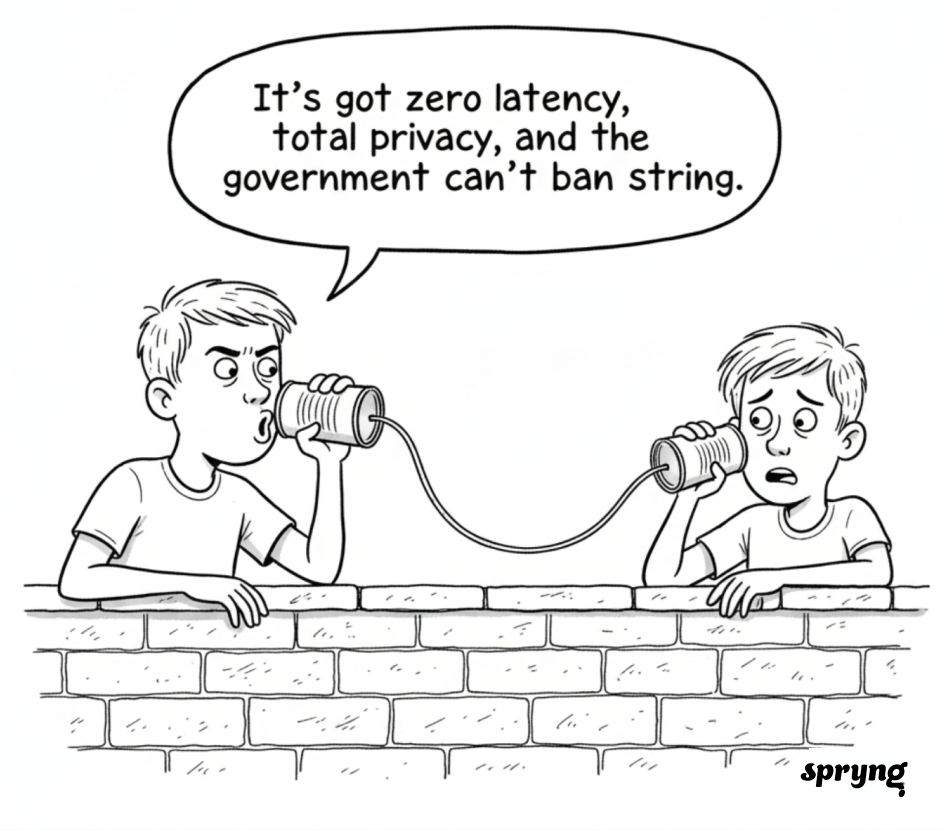
For many, social media wasn’t just entertainment. It was community, creativity, and belonging. Some worry the ban won’t lead to healthier habits but instead push teens into unregulated digital spaces.
The World Takes Notice
Other countries are moving in similar directions:
-
Malaysia is preparing under-16 restrictions
-
Denmark, France, Norway, and the Netherlands are considering stricter age checks
-
Several U.S. states are debating parental-consent laws and duty-of-care requirements
Everywhere, governments are asking: What’s the right digital dosage for a developing brain?
Survey 2: What’s the greater risk?
The Spryng Lens: Intent Meets Impact
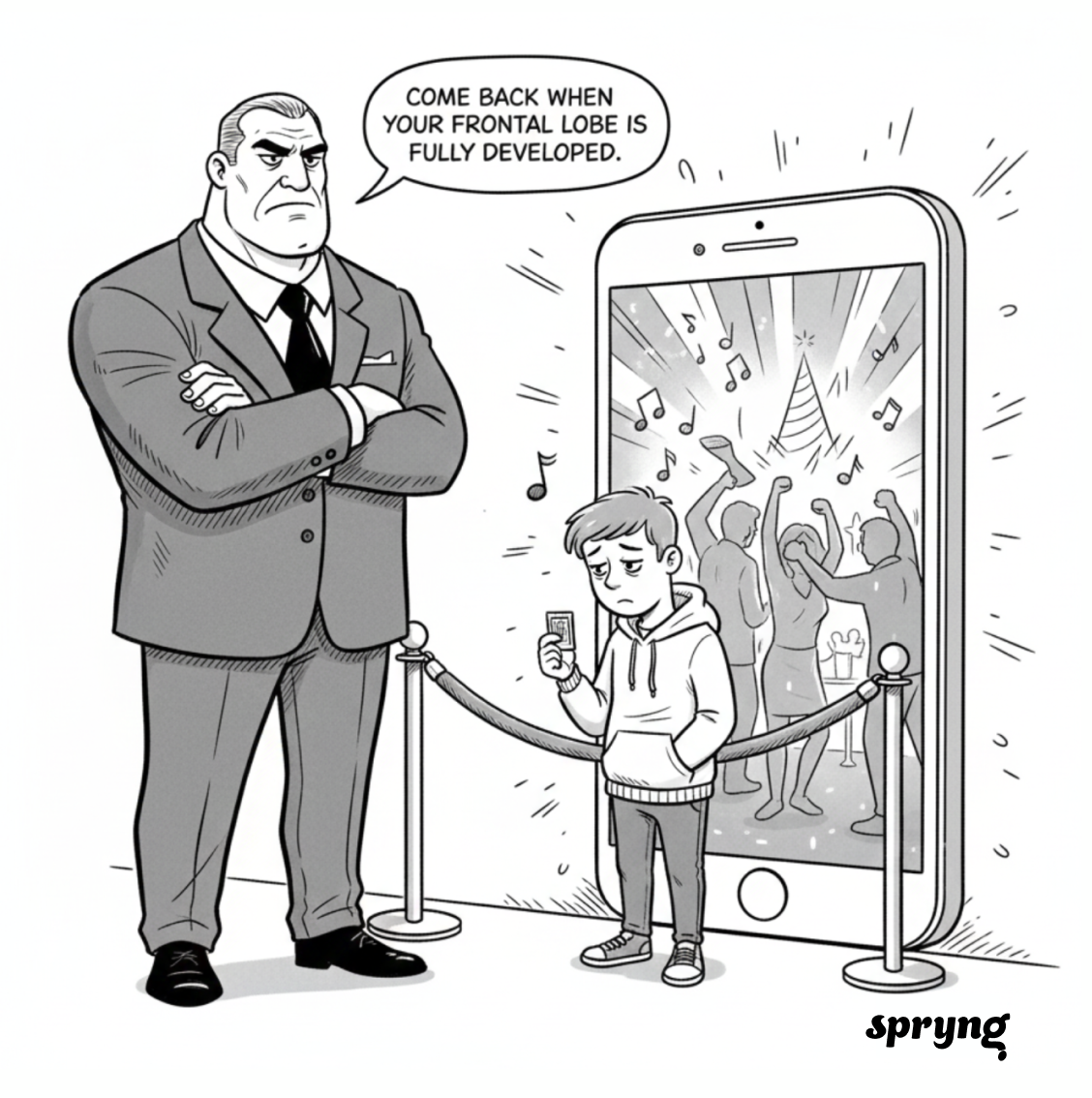
The intention is clear: protect young people from systems optimized for engagement, not wellbeing. The impact, however, will differ—some teens may benefit from space to reset; others may feel abruptly cut off from identity-shaping digital communities.
This isn’t simply about safety vs. freedom. It’s about development, agency, and what kind of digital adulthood we’re preparing teens for.
A Parallel Trend Worth Watching
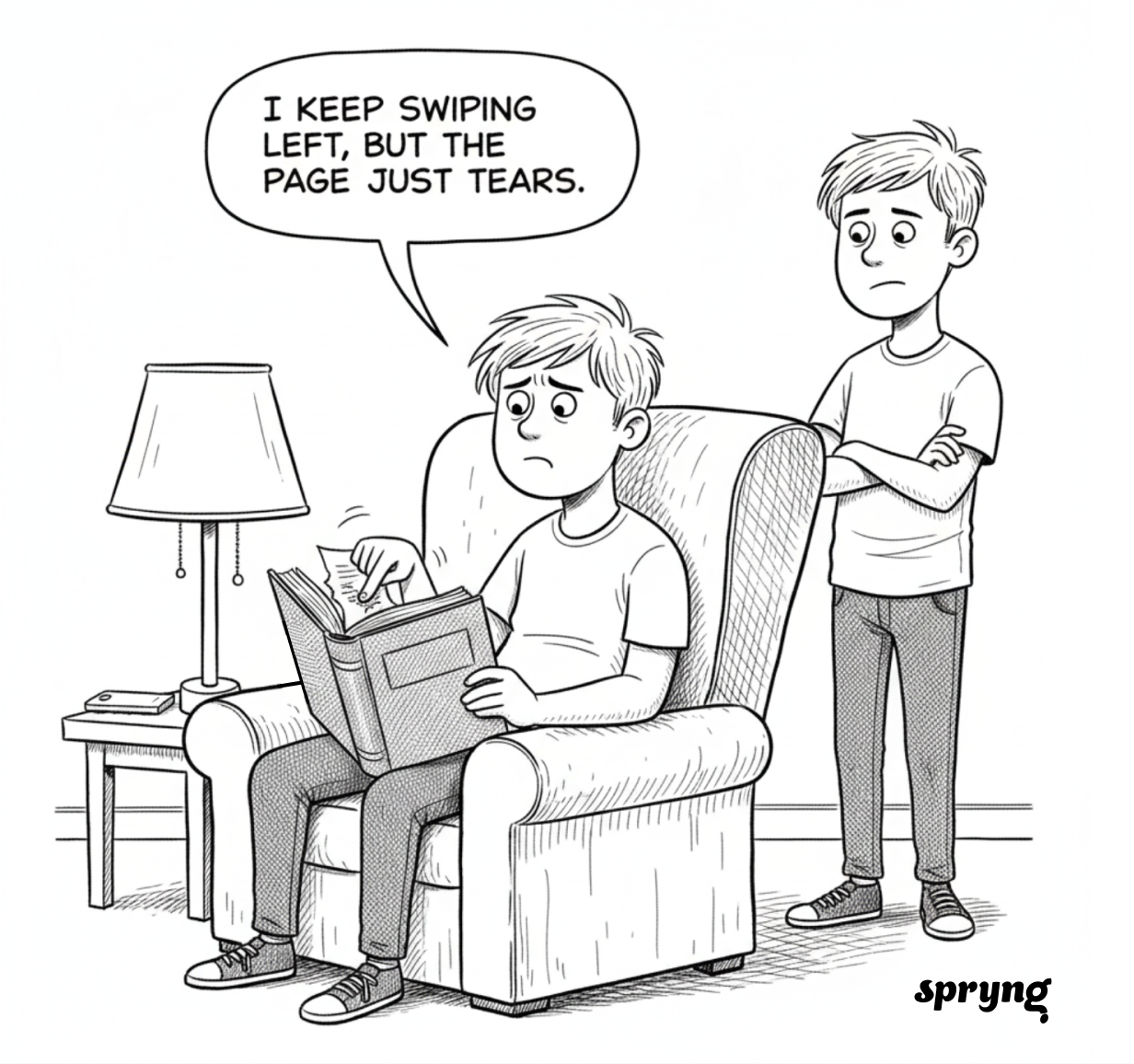
Even without bans, schools worldwide are limiting phones because removing the device—not just the apps—reduces distraction and improves learning. Some low-tech models, like local Waldorf schools using pencil-and-paper classrooms, are gaining popularity for precisely this reason.
It raises an important question: Which parts of childhood and learning should remain screen-free by design?
Reflection Question
If you could redesign the digital world for young people from scratch, what would you keep, what would you remove, and what would you reinvent?
Learn More
Read the Spryng post The Heroes Fighting for Our Digital Souls about the work being done to bring life-changing awareness to our digital lives.