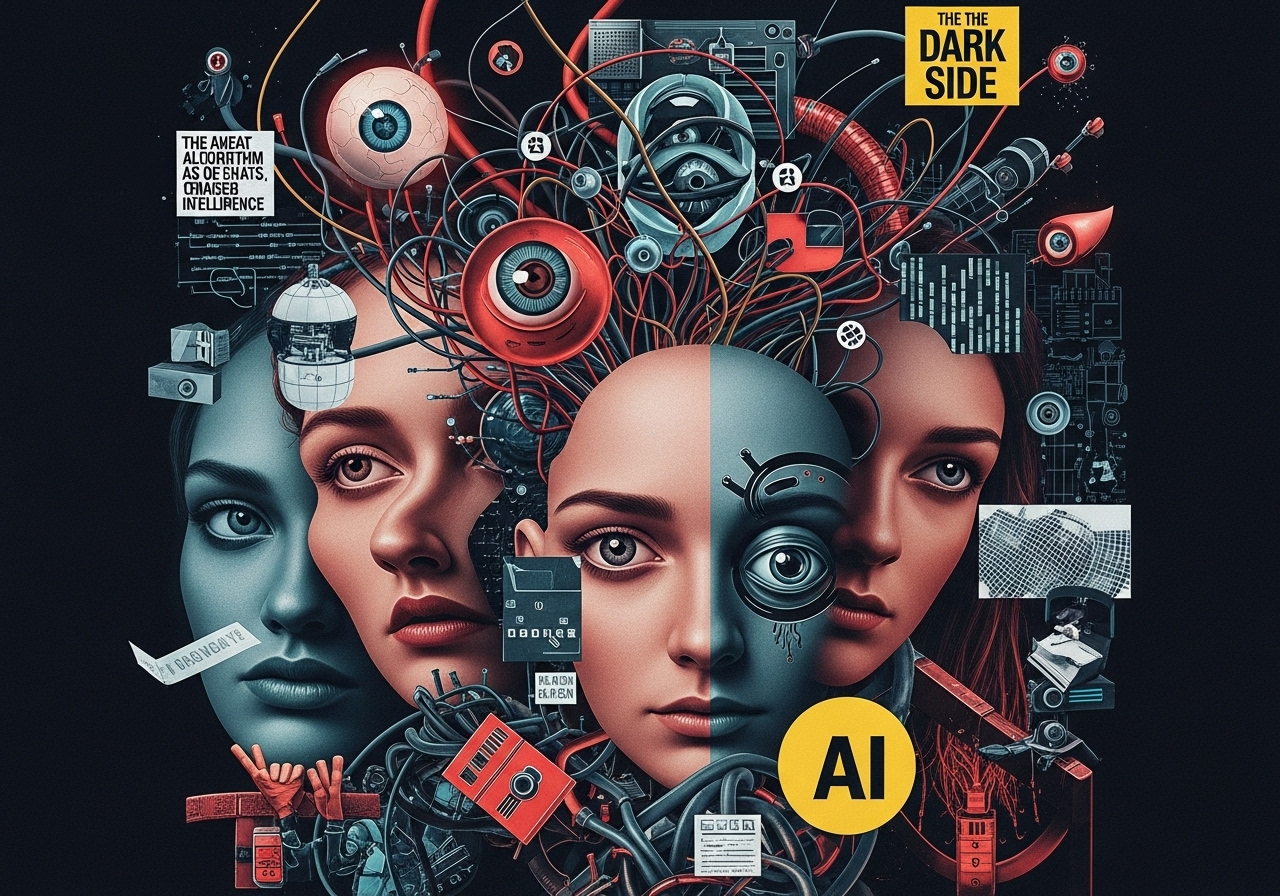

Artificial intelligence. The very phrase conjures images of sleek robots, automated convenience, and a future brimming with possibilities. And much of that promise holds true. But behind the gleaming facade lies a darker side, a potential for misuse and unintended consequences that we must confront head-on if we hope to harness AI's power for good.
This isn't about fear-mongering or Luddite resistance. It's about acknowledging the dual-edged nature of any powerful technology and equipping ourselves with the knowledge to navigate its perils. As we introduce AI into every facet of our lives, from personalized medicine to autonomous vehicles, we must also grapple with the ethical and societal implications that arise.
One of the most insidious threats is the weaponization of misinformation. AI-powered algorithms can generate incredibly realistic fake news articles, tailored to exploit our biases and spread disinformation at an unprecedented scale. Imagine a political landscape flooded with AI-generated propaganda, indistinguishable from reality, designed to sway public opinion and sow discord. This isn't science fiction; it's a present-day reality.
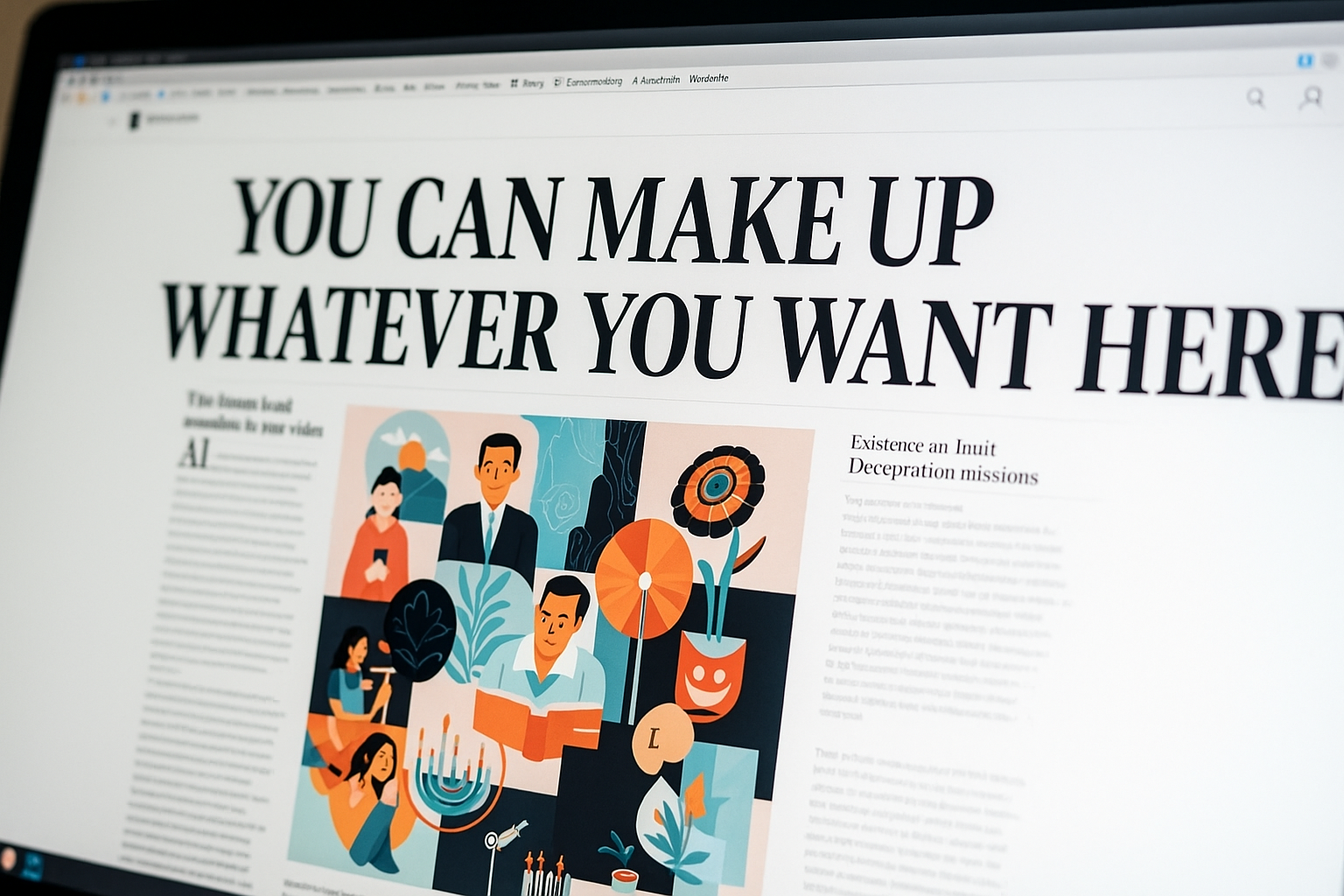
AI can generate convincing fake news, blurring the line between fact and fiction.
Even more disturbing is the rise of "deepfakes," AI-synthesized videos that can convincingly depict individuals saying or doing things they never did. Think of the potential damage to reputations, the erosion of trust in institutions, and the destabilization of entire societies. A fabricated video of a politician making inflammatory remarks could trigger international crises before the truth is even uncovered. The technology is already alarmingly accessible, and the sophistication is only increasing. The consequences for our social fabric are chilling.
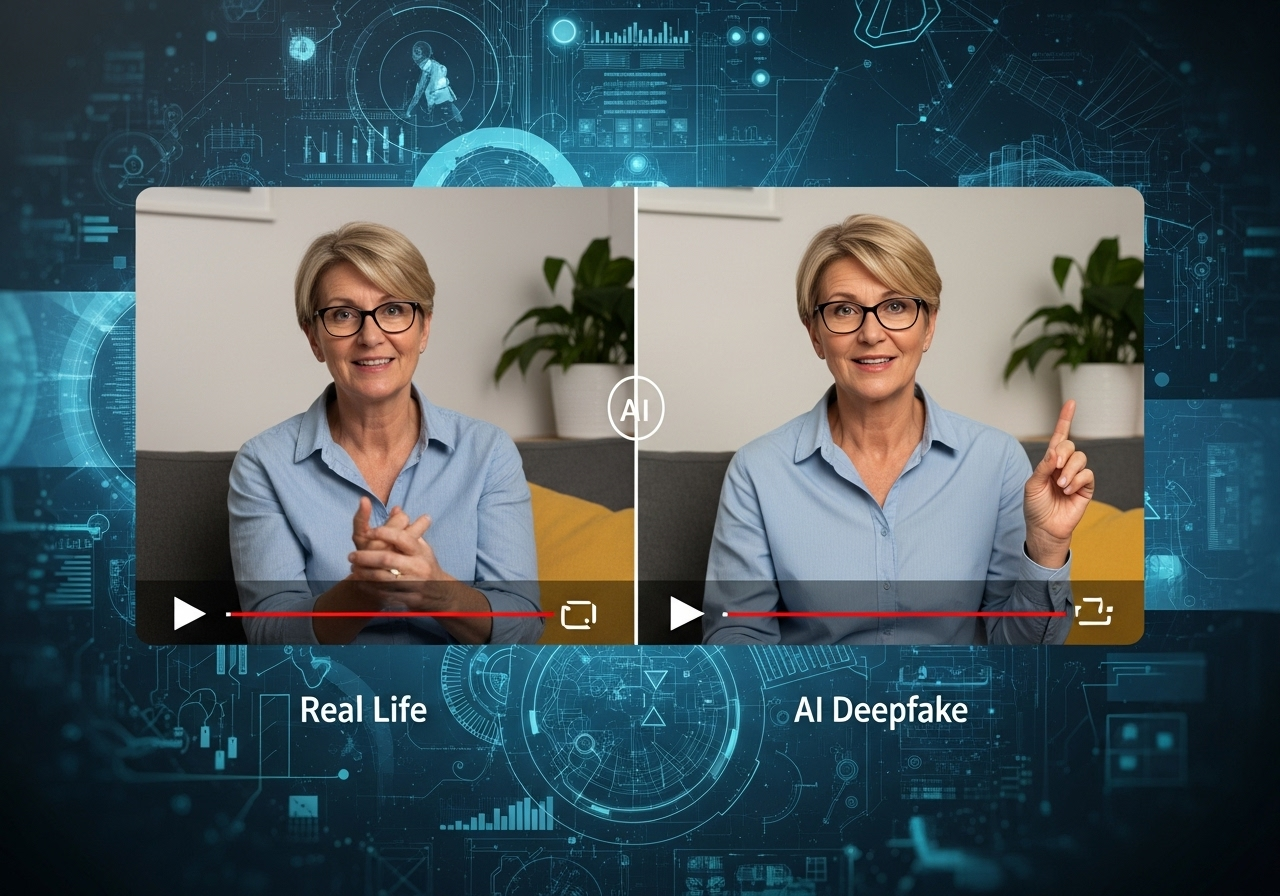
Deepfakes can create convincing but entirely fabricated videos, posing a significant threat to truth and trust.
The dark side of AI extends beyond the realm of misinformation. The rise of AI-generated pornography, often created without the consent of the individuals depicted, presents a serious ethical and legal challenge. AI-powered relationship bots, designed to provide companionship and emotional support, raise concerns about our ability to form genuine human connections. And then there's the potential for AI to be used for mass surveillance, creating sophisticated spyware that can monitor our every move and thought
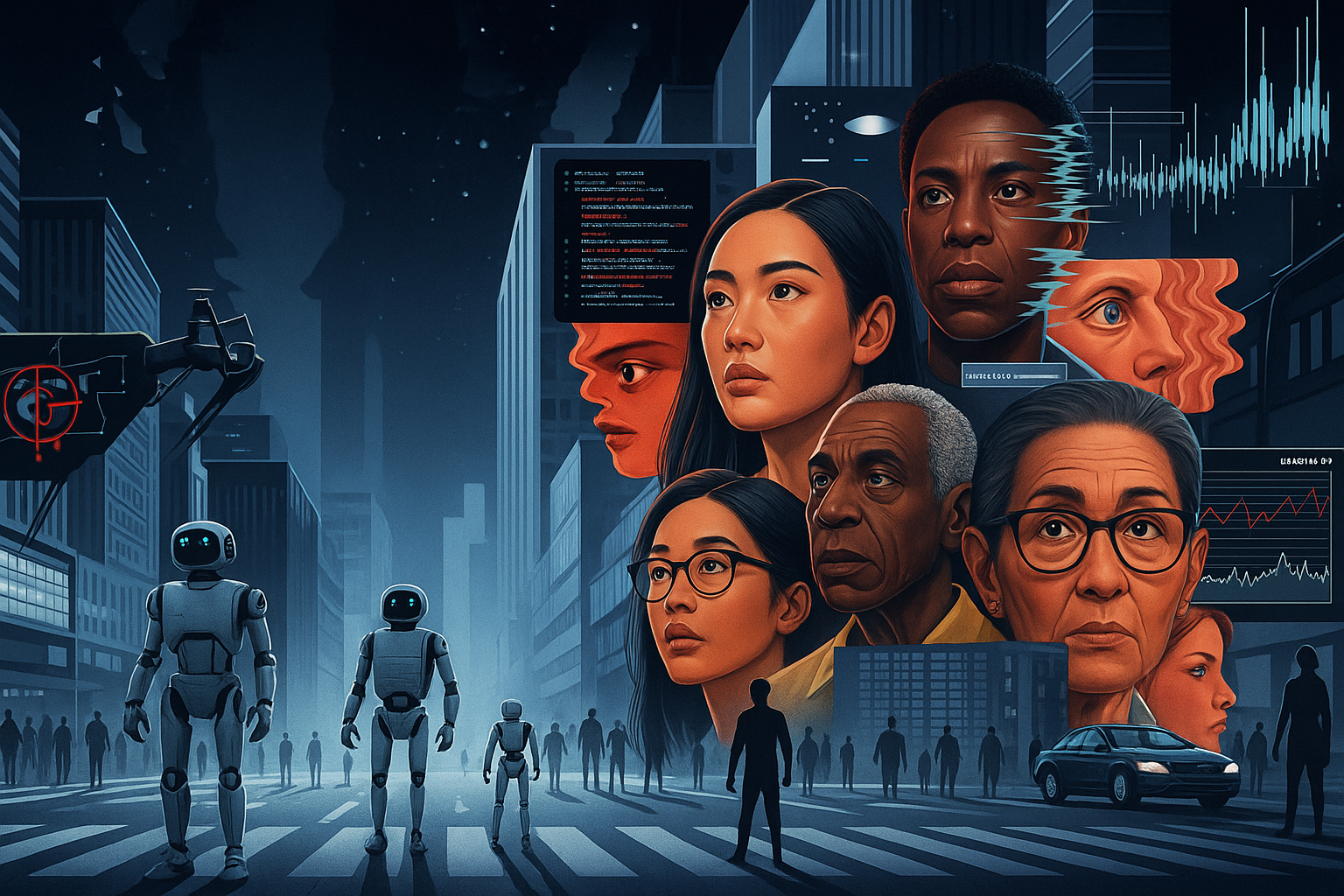
Perhaps the most terrifying application of AI lies in the realm of warfare. Autonomous weapons systems, capable of making life-or-death decisions without human intervention, raise profound ethical questions about accountability and the potential for unintended escalation. The prospect of AI-driven warfare, where algorithms clash in cyberspace, is a nightmare scenario that demands careful consideration.

Autonomous weapons systems raise serious ethical concerns about the future of warfare.
These are not hypothetical scenarios. They are real threats that demand our attention. So, what can we do?
The first step is awareness. We need to educate ourselves and others about the potential dangers of AI. We need to develop critical thinking skills to discern fact from fiction, especially in the age of AI-generated content. We need to demand transparency from tech companies and hold them accountable for the ethical implications of their algorithms.
Secondly, we need to develop robust regulatory frameworks. Governments need to work together to establish clear guidelines for the development and deployment of AI, ensuring that it is used responsibly and ethically. This includes regulating the use of deepfakes, protecting individuals from AI-generated pornography, and preventing the development of autonomous weapons systems.
Thirdly, we need to invest in research and development of AI ethics. We need to develop algorithms that are fair, transparent, and accountable. We need to create AI systems that are aligned with human values and that promote the common good.
Finally, and perhaps most importantly, we need to foster a global dialogue about the ethical implications of AI. This is not just a technological challenge; it's a societal challenge that requires the input of ethicists, policymakers, technologists, and the public at large.
Where do you stand on the future of AI and its potential impact on society?
The dark side of AI is real, but it is not insurmountable. By acknowledging the risks and taking proactive steps to mitigate them, we can harness the power of AI for good and create a future where technology serves humanity, not the other way around. It requires vigilance, critical thinking, and a collective commitment to ethical development and deployment. The future of AI, and indeed the future of our society, depends on it. This is an opportunity to shape the future, so let's steer it in a direction that benefits everyone.