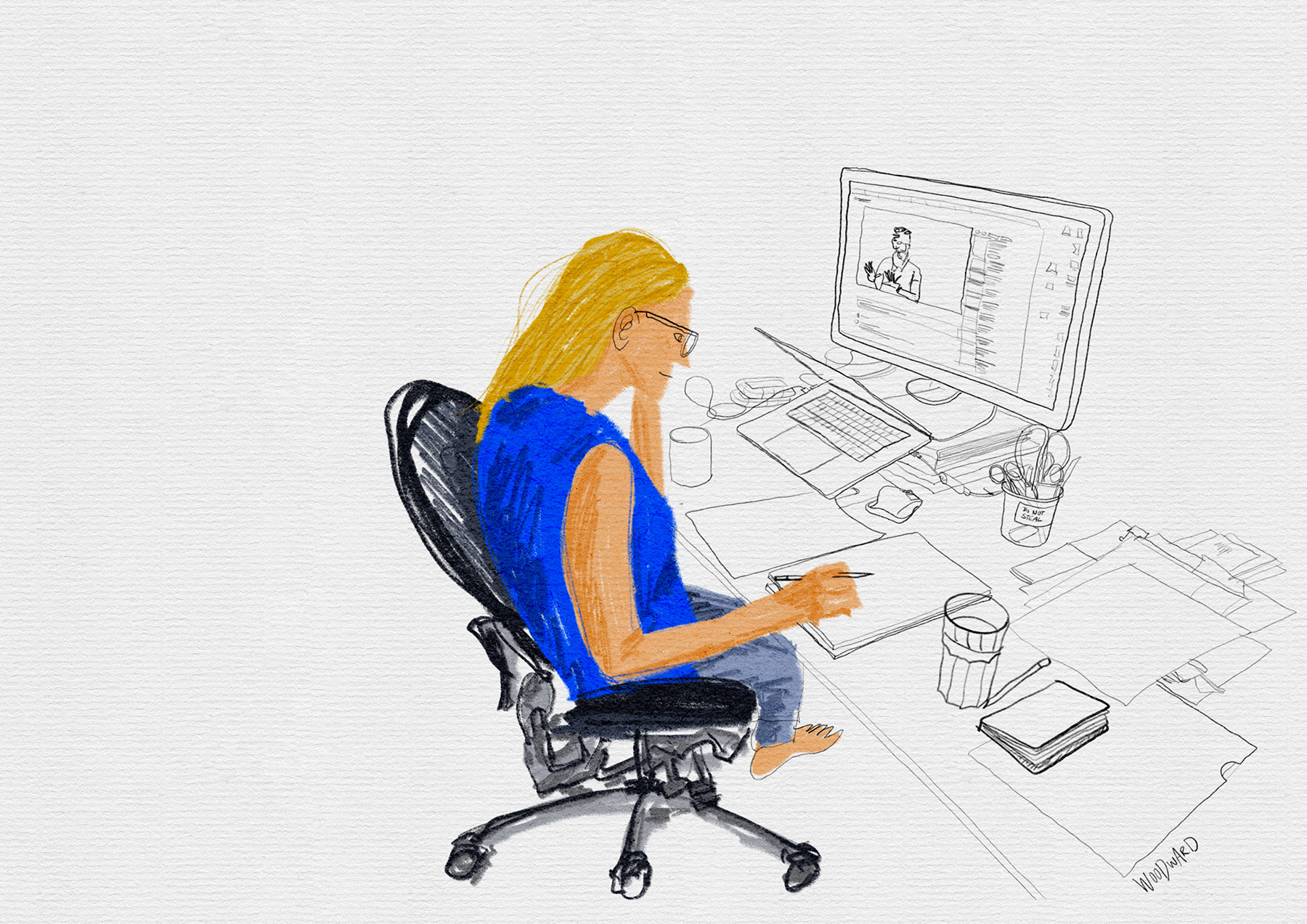

So, what are you up to?
A question we are frequently met with. Our daily encounters are entrenched with inquiries of what we occupy our time with, and how busy we are.
Working, exercising, socialising - we always present ourselves as constantly moving. We are so busy being busy that it becomes a defining feature of who we are, who we want to be and who the people around us are.

Illustration: Mark Woodward
But what does being busy really mean? On one hand it is a cultural element which is a part of a society’s identity. However, it is also a personal stressor which can be physically and mentally harmful in the long run. This obsession with being busy is affecting the way we communicate and engage with others.
Even though there are vast differences, depending on where you live, we communicate our busyness and what value these occupations have in different ways. There is a central obsession with how you occupy your time, no matter where you are.
There has been an acclimatisation to the idea that we can reach a sense of fulfilment through the way we occupy our time. This becomes an identifier, something we communicate as introductory remarks to new and old friends, family or colleagues.
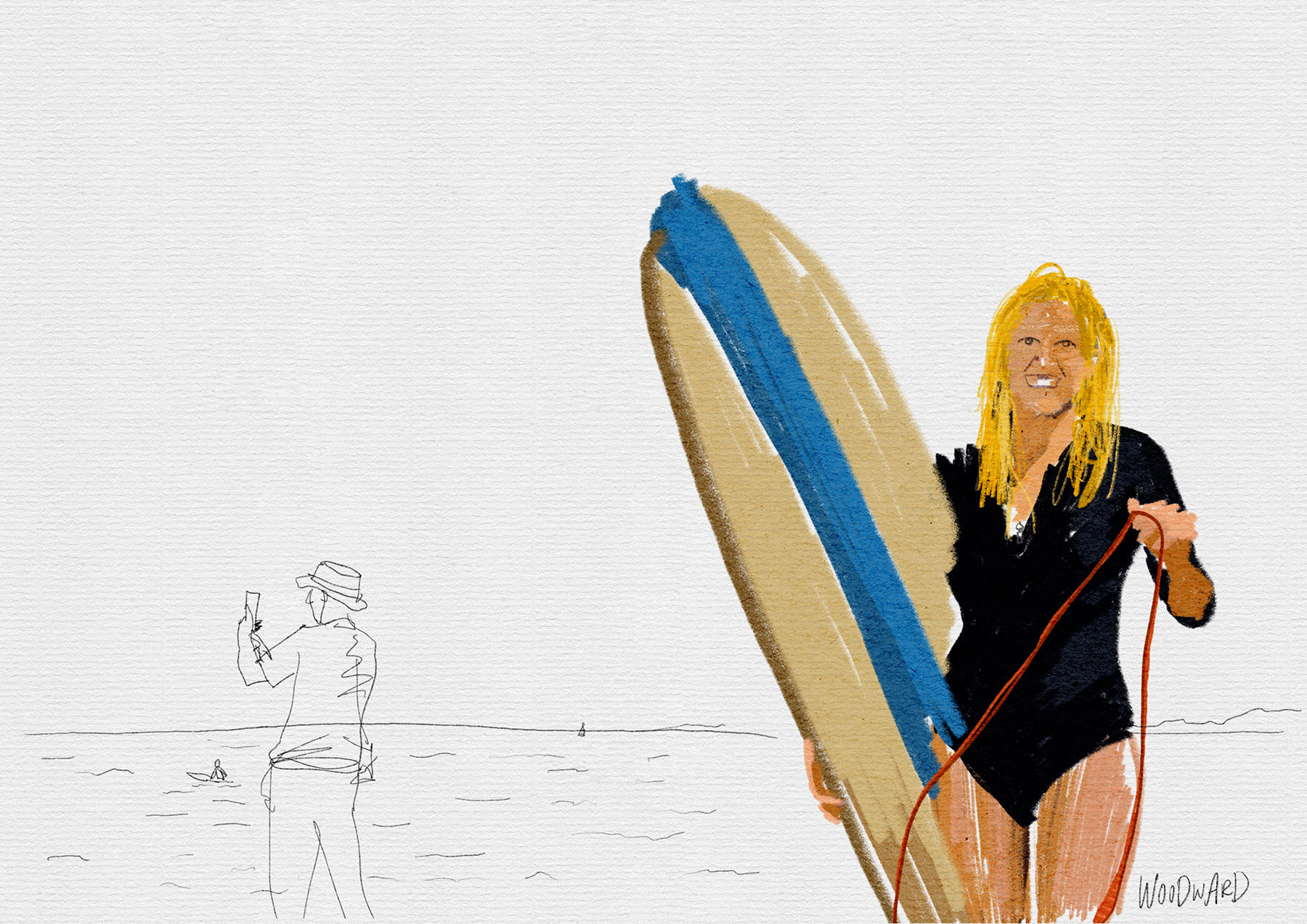
Maybe we should focus more on who we are, rather than who we think we should be. Illustration: Mark Woodward
But are we really listening during these conversations? These encounters are very much focused on external things in your life. What do you do for work, who are your friends, who is your partner, where did you go on holiday last summer? These things build up your status, they boost you up to seem more relevant whilst the person you are talking to is simultaneously doing the same thing.
In Kate Murphy’s book You’re Not Listening: What You’re Missing and Why It Matters, Murphy explores our lack of active listening, stating that “Value is placed on what you project, not what you absorb.”
All of this value is based on what we produce, rather than what we think and feel which is harder to measure. It negates all the things you do that might not be seen as productive or a part of your hardworking persona. It dismisses the importance of downtime for your brain in order to create longevity as well as productivity.
If we included thoughts and feelings about things you engage with - from the latest book or article you read, to meditating or your work for that matter- we can learn to interact in a way that doesn’t negate any part of your life, but puts your thoughts and feelings at the centre.
What if you start a conversation with “what do you dream of?” This question would terrify me. I am so used to going through my CV, or my social life, that I have never really put my dreams into words. Nor have I ever heard anyone else’s dreams and thoughts in such a transparent way. It feels like a deeply personal thing to share. But it is also in this unexplored territory we can challenge and learn from each other. Ask questions that you want to hear the answers to.
Me and a friend talked about learning, we have gone to school and university together and we have been stuck in the idea that teaching is done by a teacher, a person with intellectual authority.
We have not acknowledged each other as agents of learning in each other's life. The beauty of exchanging thoughts of what and how you see things around you, is that learning and growth is stripped of the formalities of what we perceive as proper and we can both act as teachers for ourselves and each other.
Finding a relevance in what you think and feel transgresses the moments when you are busy and the moments which we view as lazy or indulgent. If we make an effort to change the narrative we can create a better work life balance, and put value in acquiring personal intellectual and emotional gain as well as value in the things we traditionally hold value to.