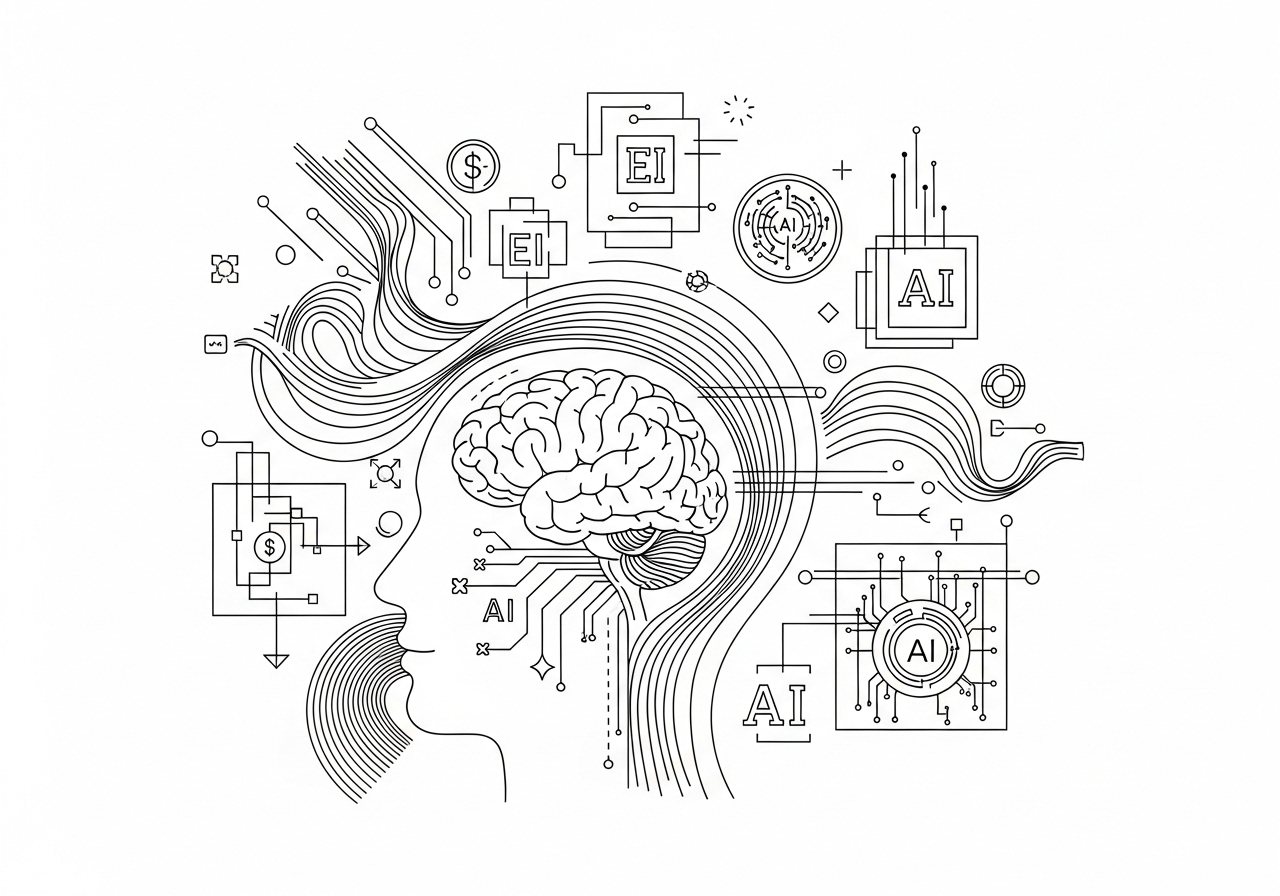

The hum of automation is growing louder. Artificial intelligence is rapidly transforming industries, automating tasks once thought to be the exclusive domain of human workers. From self-driving trucks to AI-powered customer service bots, the rise of AI is undeniable. This technological revolution understandably prompts anxieties about the future of work. Will humans be replaced by machines? While the answer is complex, one thing is clear: emotional intelligence (EQ) is not only here to stay but is becoming an even more valuable asset in the age of AI.
Where rote tasks are being automated, uniquely human skills like empathy, communication, and complex problem-solving are rising to the fore. As AI handles the data crunching and repetitive processes, human professionals will increasingly be judged on their ability to connect with others, understand their needs, and navigate complex social dynamics.
On a scale of 1–5, how confident do you feel in your emotional intelligence skills to navigate an AI-driven workplace?
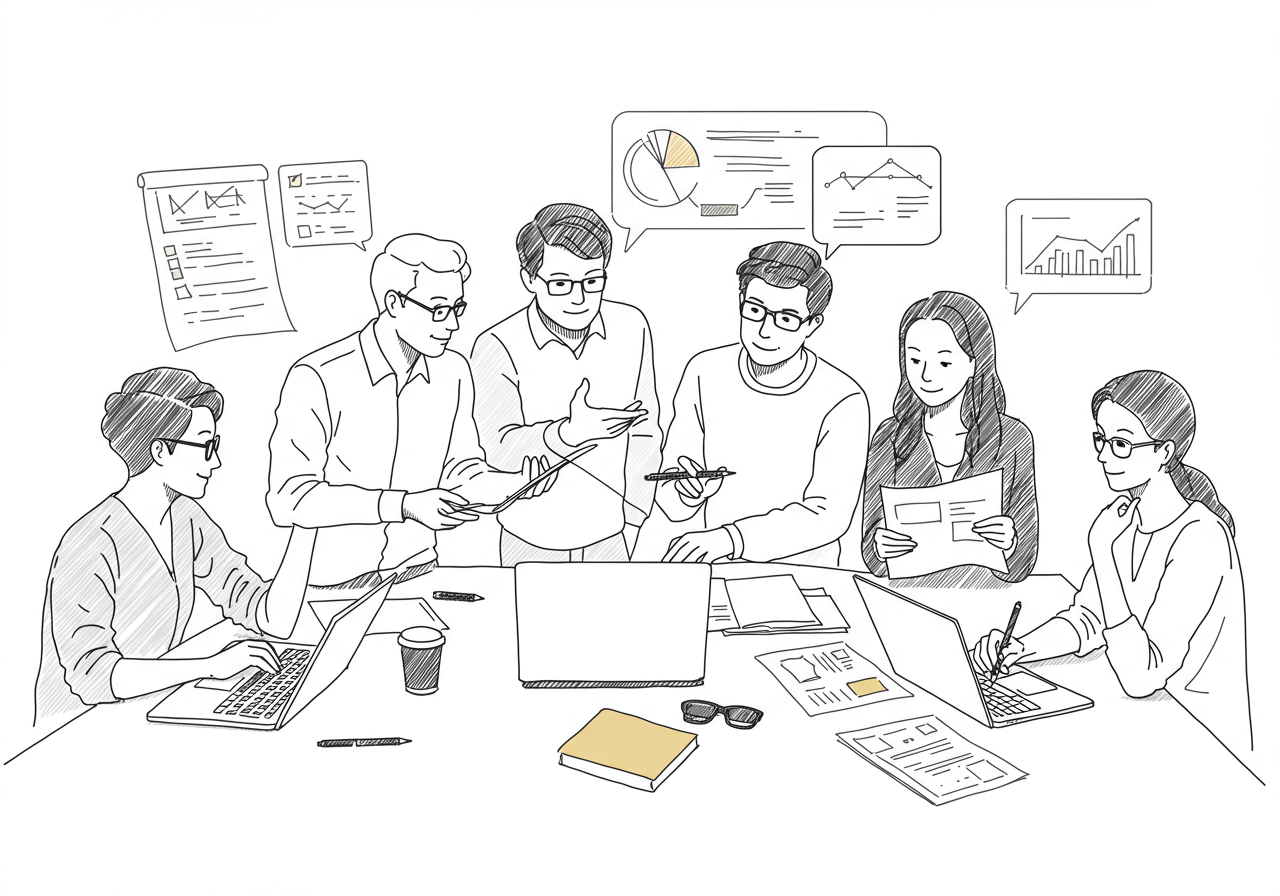
Collaboration and communication are key components of emotional intelligence in the workplace.
The Enduring Power of EQ
Emotional intelligence, in essence, is the ability to understand and manage your own emotions and to recognize and influence the emotions of others. It encompasses a range of skills, including self-awareness, self-regulation, motivation, empathy, and social skills. These skills, long recognized as important in leadership and interpersonal relationships, are now critical differentiators in a professional landscape increasingly shaped by AI.
Research from Harvard Business Review consistently highlights the link between emotional intelligence and leadership effectiveness. Studies have shown that leaders with high EQ are better at building strong teams, fostering collaboration, and driving organizational success. In a world where AI can provide data-driven insights, it's the emotionally intelligent leader who can translate those insights into actionable strategies and inspire their teams to execute them effectively.
Consider, for example, a project manager overseeing the implementation of a new AI-powered system. While the AI can handle the technical aspects of the project, the project manager needs strong EQ to manage the team's anxieties about job security, address resistance to change, and ensure everyone is working collaboratively towards a common goal.
Furthermore, research in psychology from Stanford University emphasizes the importance of emotional intelligence in building strong interpersonal relationships, managing stress, and promoting overall well-being. These personal benefits translate directly into professional advantages. Employees with high EQ are better equipped to handle workplace conflict, navigate challenging situations, and maintain a positive attitude, contributing to a more productive and harmonious work environment.
AI as a Catalyst for EQ
Ironically, the rise of AI might be the very thing that forces us to prioritize and cultivate our emotional intelligence. As AI takes over routine tasks, we are freed up to focus on the more complex and nuanced aspects of our work that require uniquely human skills.
For example, imagine a doctor using AI to diagnose illnesses. While the AI can analyze medical images and patient data with incredible accuracy, the doctor still needs to connect with the patient on a human level, listen to their concerns, and provide empathetic support. The AI enhances the doctor's capabilities, but it doesn't replace the need for human connection and emotional understanding.

Empathy is more important than ever in human-centered professions.
Cultivating Emotional Intelligence in the Workplace
So, how can we cultivate emotional intelligence in the workplace? Here are some practical steps
- Self-Awareness Training: Encourage employees to reflect on their own emotions, identify their strengths and weaknesses, and understand how their emotions impact their behavior.
- Empathy Building Exercises: Facilitate activities that promote empathy and understanding, such as role-playing scenarios or team-building exercises that require active listening and perspective-taking.
- Communication Skills Workshops: Provide training on effective communication techniques, including active listening, non-verbal communication, and conflict resolution.
- Leadership Development Programs: Incorporate emotional intelligence training into leadership development programs to equip managers with the skills they need to lead effectively in an AI-driven world.
- Feedback and Coaching: Create a culture of feedback and coaching, where employees feel comfortable giving and receiving constructive criticism. Mentorship programs can also provide valuable support and guidance.
Investing in emotional intelligence training is not just a nice-to-have; it's a strategic imperative for organizations that want to thrive in the age of AI. By cultivating these skills, we can ensure that humans remain at the heart of the future of work, complementing the capabilities of AI and creating a more innovative, collaborative, and fulfilling work environment.
The Human Advantage
The rise of AI presents both challenges and opportunities. While some jobs may be automated, new roles will emerge that require uniquely human skills. By embracing emotional intelligence, we can prepare ourselves and our organizations for the future of work, ensuring that humans remain a vital and irreplaceable part of the equation. The ability to connect, empathize, and inspire will be the defining characteristics of success in a world increasingly shaped by artificial intelligence. The human advantage lies not in competing with machines, but in leveraging our emotional intelligence to work alongside them, creating a future where technology and humanity thrive together.
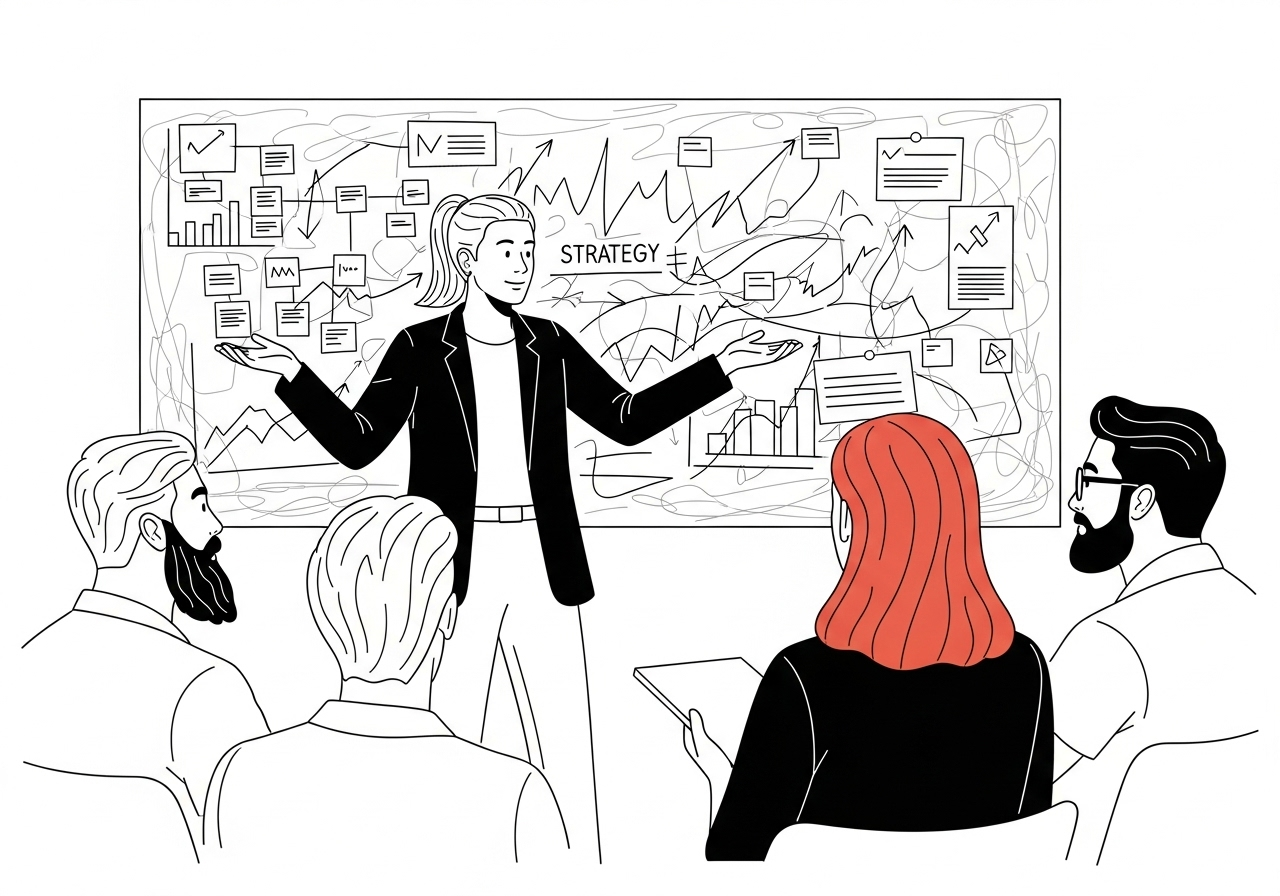
Strong communication skills are essential for navigating the complexities of the modern workplace.
As AI continues to evolve, our most powerful differentiator will always be our humanity. Cultivating emotional intelligence isn’t just about future-proofing your career; it’s about becoming a leader who can inspire, empathize, and connect in profound and enduring ways. In this new age, those who embrace these uniquely human strengths will not only thrive but will help shape a future where technology and compassion grow hand in hand.
Reflecting on your own work environment, what’s one emotional intelligence skill you’d like to develop further, and how do you think improving this skill will help you navigate the rise of AI?