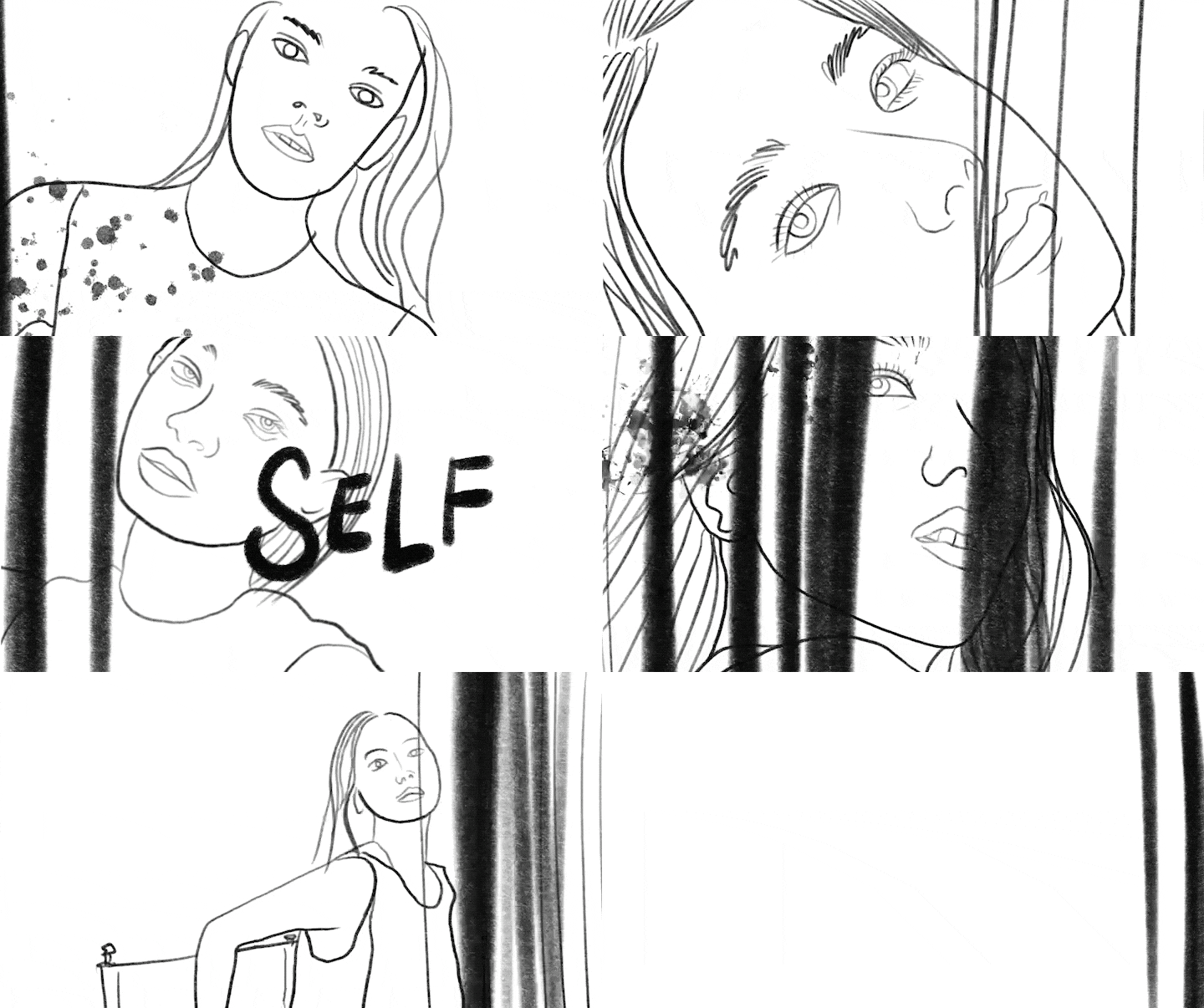

My social media algorithms know me too well. My explore pages are flooded with everything I do, think, and enjoy - I can't stand it. Kiana Simpson (26) shares her take on social media and the impact it has on her.
One scroll takes me to a relatable meme about growing old at 26, the next scroll shows me a restaurant ad for a place I recently mentioned to a friend (our phone's are listening…), the next scroll shows me a photo of some fitness model and her perfect life - and so the spiral begins. How can someone be so pretty? My body will never look like that. Why isn't my life as good as hers?
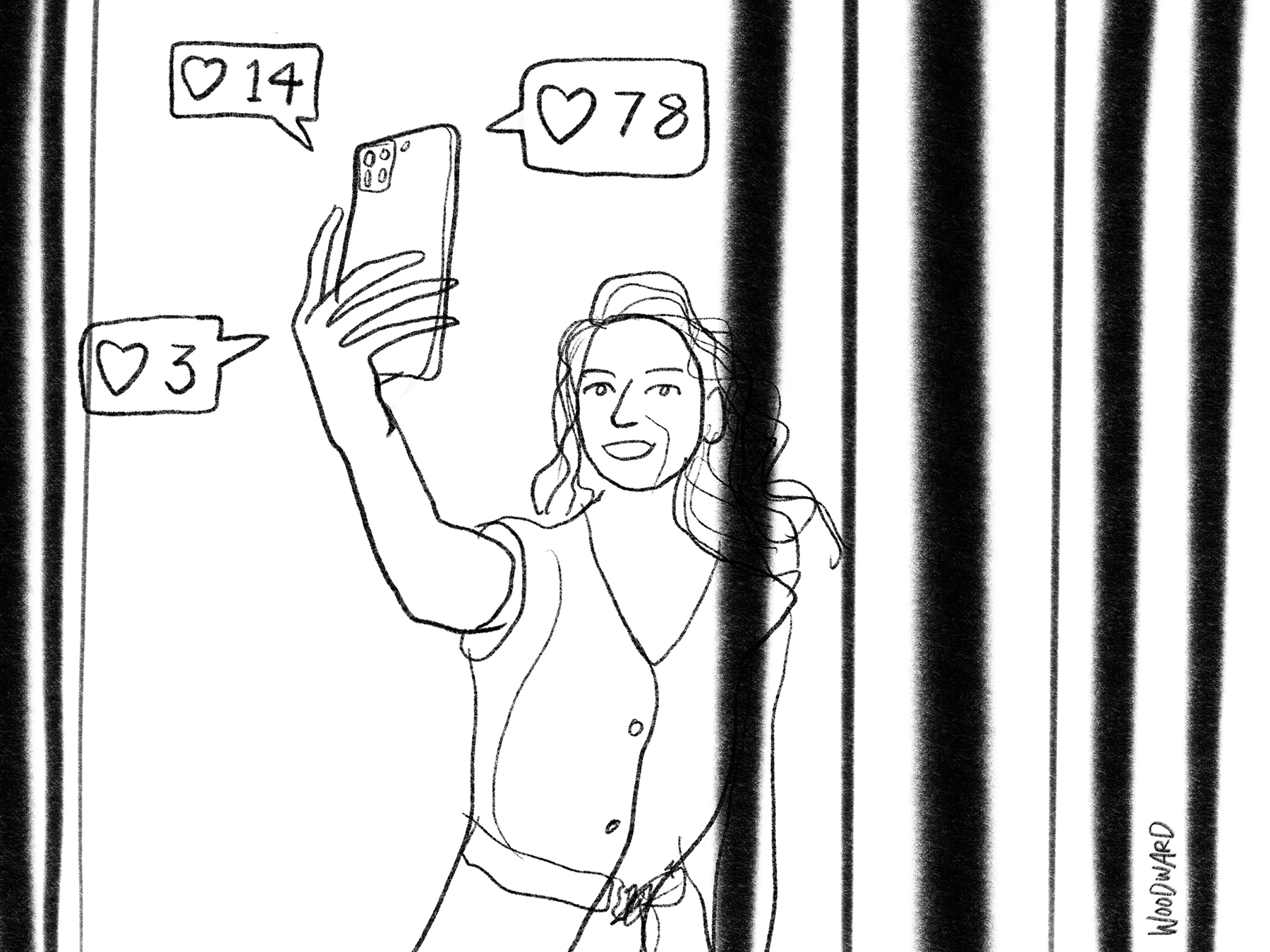
National University of Singapore researchers proved our comparison to others’ appearance, ability, etc. highly increases our social anxiety. Illustration: Mark Woodward
You can go ahead and read a number of reports all concluding the same thing: social media has a strong negative effect on people's mental health. According to research by the Journal of the American Medical Association in Psychiatry, "adolescents who spend more than 3 hours per day on social media may be at heightened risk for mental health problems, particularly internalizing problems”.
There is an abundance of self-presenting content on our feeds everyday, it is almost impossible not to fall victim to comparison. The accessibility we now have to other people's lives has created a world in which we can compare even the tiniest aspect of our life to theirs.
How do you feel about your social media use?
From your skincare routine, to the makeup products you use, to your gym regime, to where you go out, parts of our lives that used to be so personal are now shaped by the people who catch your eye during your daily social media intake.
It wasn't until the birth of Instagram in 2010 when these average creators finally had a platform in which they could push out more regular, day-to-day content, grow their following immensely, and successfully monetize this growth. Fast forward about five years and an established Instagram marketing system later, average creators now had the same impact as mainstream celebrities.
That impact continues to multiply exceedingly every year.
Our parents only had the ability to compare themselves to celebrities in magazines, and through TV and the initial introduction of the internet, they could only compare their life to those in a reality show or from online articles. There was a disconnect between 'regular people' and celebrities due to the novelty of their 'star power', as presented by a Boston University Influencer Marketing comparison. However, We now have the ability to compare ourselves to people like ourselves, our comparisons feel more real and achievable.
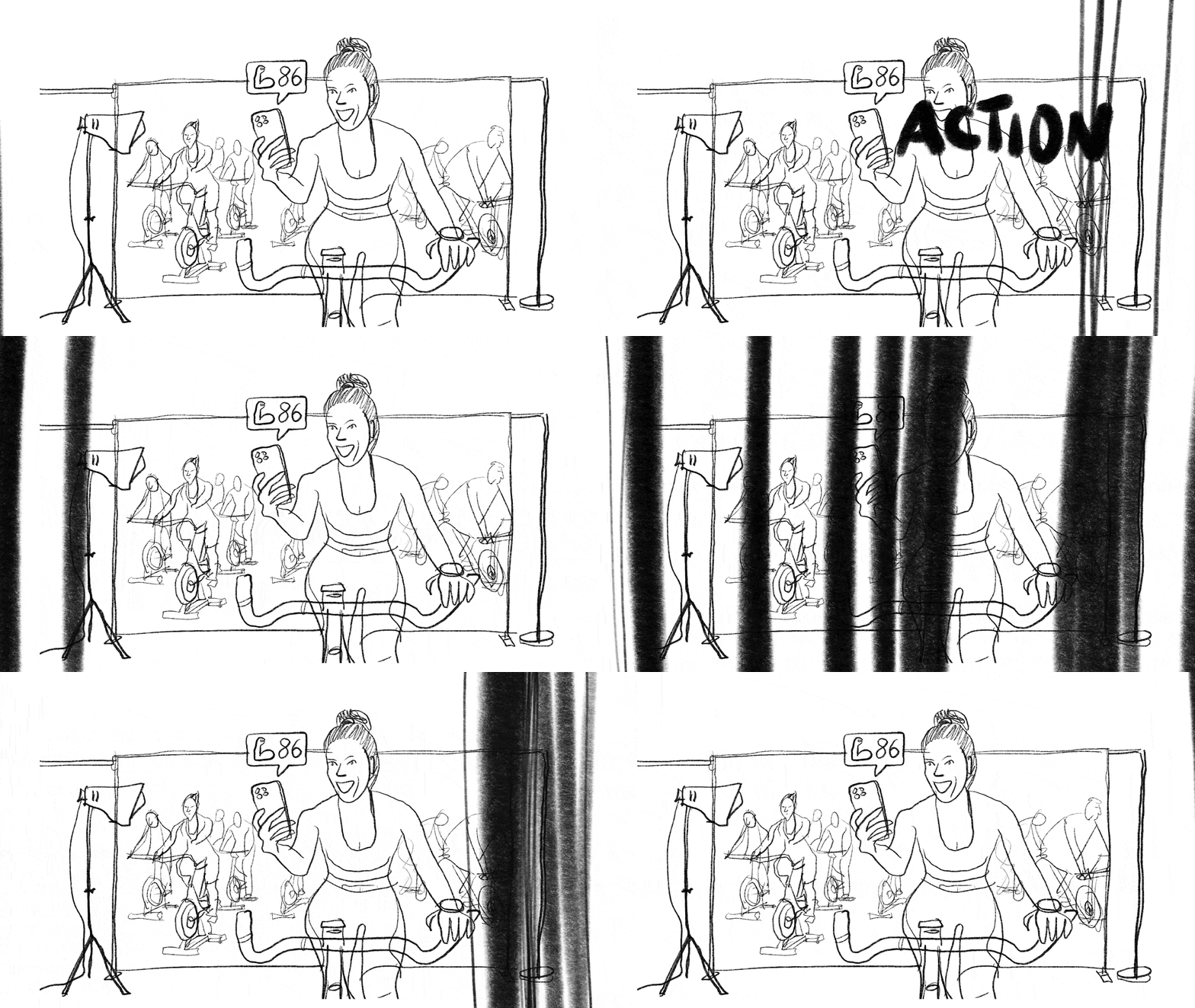
'Micro-celebrities', range from unknown high school girls, fitness trainers, and industry experts, to wealthy people promoting luxury brands. Illustration: Mark Woodward
Why don't I have the same Wholefoods shopping, Lululemon wearing, SoulCycle going, VIP partying lifestyle that the 24-year-old social media manager I follow on Instagram has? We have the same job type and age and what seems like a similar regular upbringing.
If mental health wasn't already negatively affected enough by the killer comparison of our lives to that of celebrity wealth, the bombardment of 'successful daily lives' of other 'ordinary people' is the ultimate cherry on top. Studies from the Child Mind Institute show that adolescents who more actively use social media platforms have a substantially higher rate of reported depression than those who spend less time on them.
But what if we can take a positive from these comparable lifestyles. If it's possible for that influencer, with a similar background to me, to live life the way she does, why can't I? Well, I suppose I can. Do these comparisons have the ability to stem more motivational thoughts than the latter? Potentially. By being mindful in curating our social media feed with content that doesn't trigger our negative comparative moodlets, but rather stimulates us to do better, we can invert this comparison.
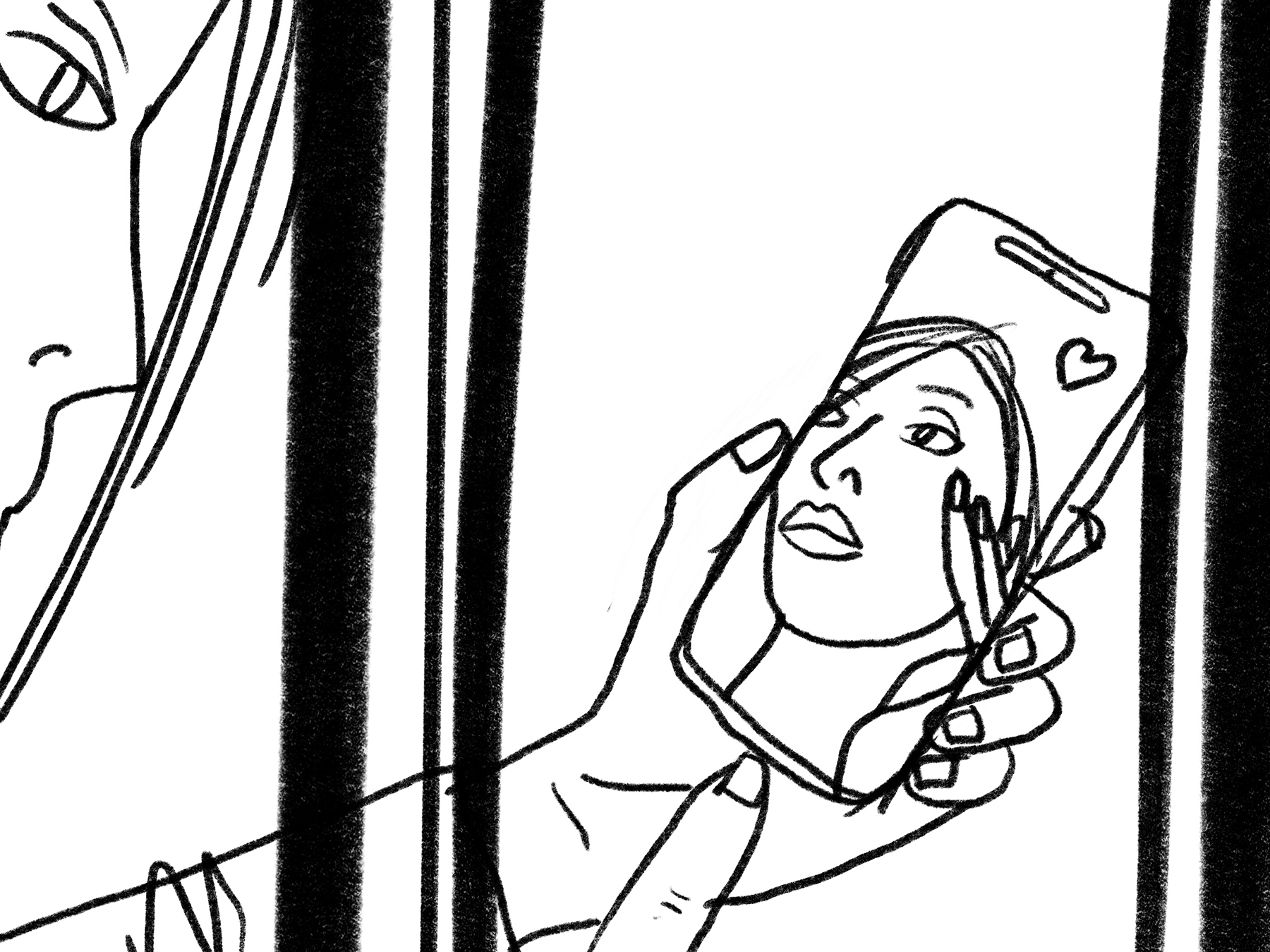
Should we be more mindful of setting boundaries for ourselves in order to curate a feed that doesn't cause our social comparison to spiral? Illustration: Mark Woodward
Maybe your improved skincare routine, sustainable makeup choices, transformational gym regime, and favorite Friday night location are relying on this comparison conversion. These all-too-knowing grid of squares may just be the motivation we need to make the decisions that will change our lives.
Did you find this post insightful?
Please share any comments, thoughts, or requests here. We will get back to you straight away.