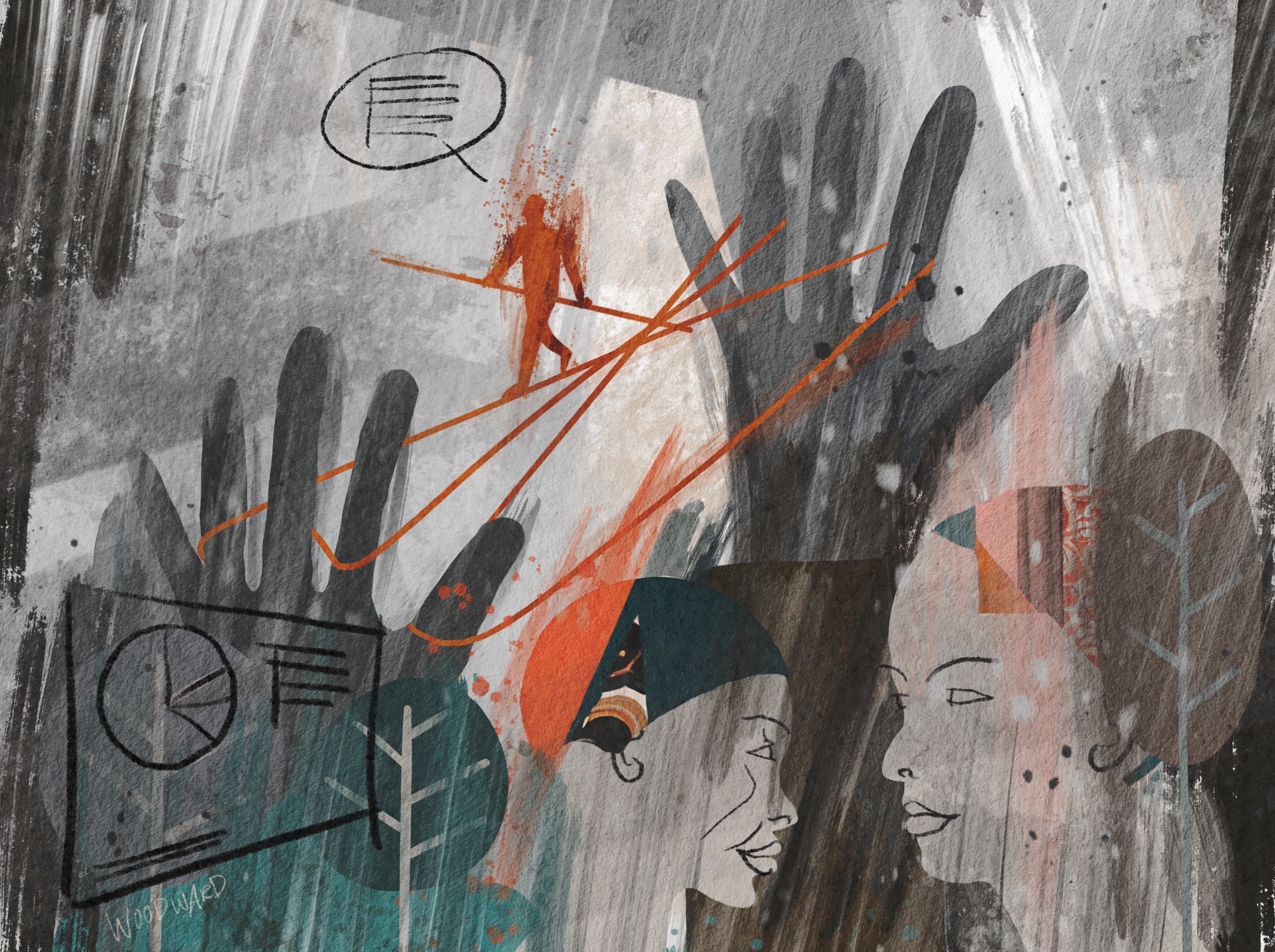

Navigating the world of feedback at work? It’s like walking a tightrope sometimes—exciting but kinda scary.
For many of us, just the thought of getting feedback makes our stomachs do flips. Will it be a pat on the back or a telling-off? But here's the thing: mastering the art and science of both dishing out and soaking up feedback is super important for anyone looking to ace the professional game.
Feedback: It's Not About Knocking Someone Down
First up, giving feedback. This isn't about finding fault or pointing fingers. It’s more like helping a buddy level up in a video game. You're there to guide, not to judge. When you're on the giving end, it’s all about clarity and kindness. Aim to be like that mentor who can tell you straight up what’s up, without making you feel small. You're shooting for growth, after all, not tears.
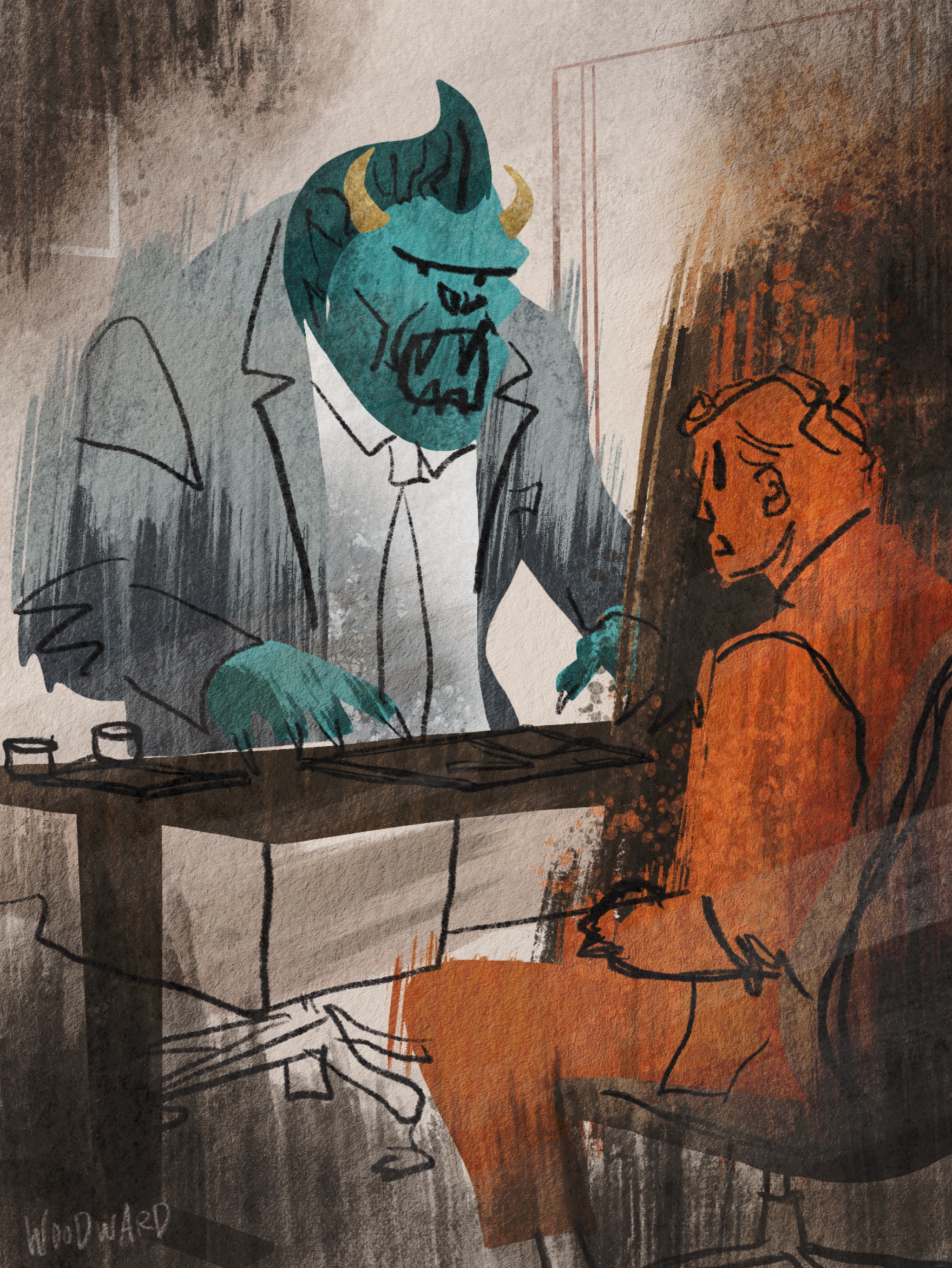
Illustration: Mark Woodward
Example of Negative Feedback with Negative Outcomes
"Hey, just wanted to say that presentation was a complete disaster. Honestly, it looked like you just threw it together last minute, and it really embarrassed the team in front of the whole department. You really need to step it up if you want to stick around here. No one's got time for that kind of performance."
Why is the above so bad? The feedback is damaging because it's personal and non-specific, publicly shames the receiver, threatens their job security, and offers no support or direction for improvement.
The Art of Receiving
Now, flipping the script to receiving feedback. This one's tough, no lie. It’s about biting back that knee-jerk "Nope, you're wrong!" response and actually listening to what's being said. It's tricky to not get defensive, but think of it as a skill you can level up in. Every piece of feedback is a nugget of gold that can help you shine brighter at your job.
Why It Matters
Get this feedback thing right, and you're not just boosting your own game; you're lifting the whole team's vibe. Imagine a workplace where everyone's cool with giving and getting pointers. It's the kind of place where everyone knows where they stand, can speak their minds without drama, and knows they're all in it together. That's the goal.

Illustration: Mark Woodward
Positive Feedback with Opportunities for Growth
"Thanks for putting together that presentation. I noticed some areas where we might improve for next time. It seemed like there might have been a bit of a rush in preparing, which is completely understandable given our tight deadlines. Let's plan a bit more in advance for the next one, so we have ample time to refine our message and visuals. I really believe in your ability to deliver compelling presentations, and I'd be happy to review your slides or practice together beforehand if that would help. Let's aim to really showcase the strengths of our team in the next meeting. How does that sound?"
Why is this feedback good? This feedback is constructive because it acknowledges effort, suggests specific improvements, offers support and collaboration, and positively reinforces the receiver's potential, all aimed at enhancing future outcomes. It feels and sounds so much better.
Pick the Constructive Feedback on Time Management
Below are four feedback examples related to time management. Three of them are not constructive, while one offers positive, actionable advice. Read each one carefully to identify the good feedback.
Getting Better at It
So, how do you get better at this? Practice, my friend. There are loads of ways to get your feedback skills on point. Workshops, training sessions, or even just practicing with a work buddy can make a world of difference. It’s all about creating a space where feedback is welcomed and valued, not feared.
The Bottom Line
Feedback is a total game-changer in any professional setting. It’s not just about fixing what’s broken; it’s about building each other up and creating an environment where everyone can thrive. When feedback is done right, it can transform the whole workplace culture into something pretty awesome. So, let’s get out there, give it, take it, and watch how it changes the game at work.
Was this post helpful
Please let us know if you have any thoughts or ideas that would make our content even more meaningful