

The statistics are stark, and the stories heartbreaking. Teen mental health is in crisis. Rates of anxiety, depression, and self-harm among adolescents have skyrocketed in the past decade, leaving parents desperately searching for answers. While the causes are multifaceted, a growing body of evidence points to a significant culprit lurking in our children's pockets: the smartphone.
In his groundbreaking book, The Anxious Generation, social psychologist Jonathan Haidt meticulously lays out the data and explores the profound impact of smartphones and social media on young minds. He argues that the constant connectivity, the curated online personas, and the addictive nature of these technologies are fundamentally rewiring our kids, leading to a generation grappling with unprecedented levels of anxiety and despair.
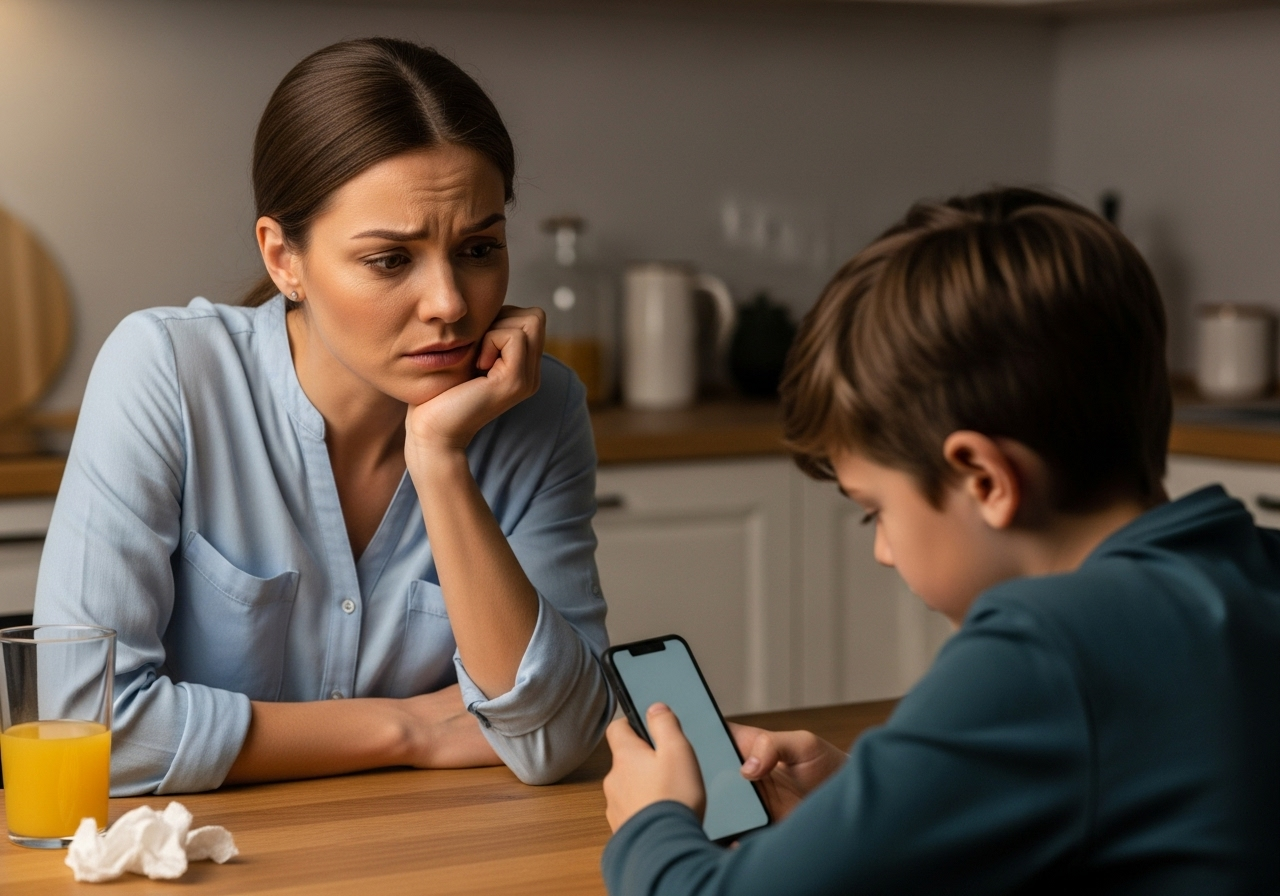
Are smartphones stealing our children's joy and well-being?
The Great Rewiring: How Smartphones Affect Young Minds
Smartphones, while offering convenience and connection, deliver a potent cocktail of psychological challenges to developing brains. Here's a glimpse into how they contribute to the growing mental health crisis:
- Social Comparison and the Illusion of Perfection: Social media platforms are designed to highlight reels, showcasing carefully curated versions of reality. Teens are constantly bombarded with images of seemingly perfect lives, leading to feelings of inadequacy, low self-esteem, and intense social comparison. This relentless pursuit of validation through likes and followers creates a breeding ground for anxiety and depression. As Haidt argues, "Social media gives us ringside seats for comparing ourselves to the best highlights from everyone else’s lives."
- The Erosion of Real-World Social Skills: Time spent glued to screens often comes at the expense of real-world interactions. Children need face-to-face communication to develop crucial social skills, learn empathy, and build meaningful relationships. The digital world, while seemingly connecting, can ironically lead to social isolation and a diminished capacity for navigating complex social situations.
- Addiction and the Dopamine Loop: Smartphones and social media platforms are engineered to be addictive. Notifications, likes, and comments trigger the release of dopamine, a neurotransmitter associated with pleasure and reward. This creates a powerful feedback loop, encouraging compulsive use and making it difficult for teens to disengage. As Harry Brignull explains on his website Dark Patterns, many apps use "dark patterns" to manipulate users into spending more time and money on their platforms.
- Sleep Deprivation: The blue light emitted from screens interferes with the production of melatonin, a hormone that regulates sleep. Late-night scrolling and gaming disrupt sleep patterns, leading to chronic sleep deprivation. Lack of sleep exacerbates anxiety, impairs cognitive function, and weakens the immune system.
- Cyberbullying and Online Harassment: The anonymity and reach of the internet can embolden bullies and create a toxic online environment. Cyberbullying can be relentless and devastating, leaving victims feeling trapped and isolated.
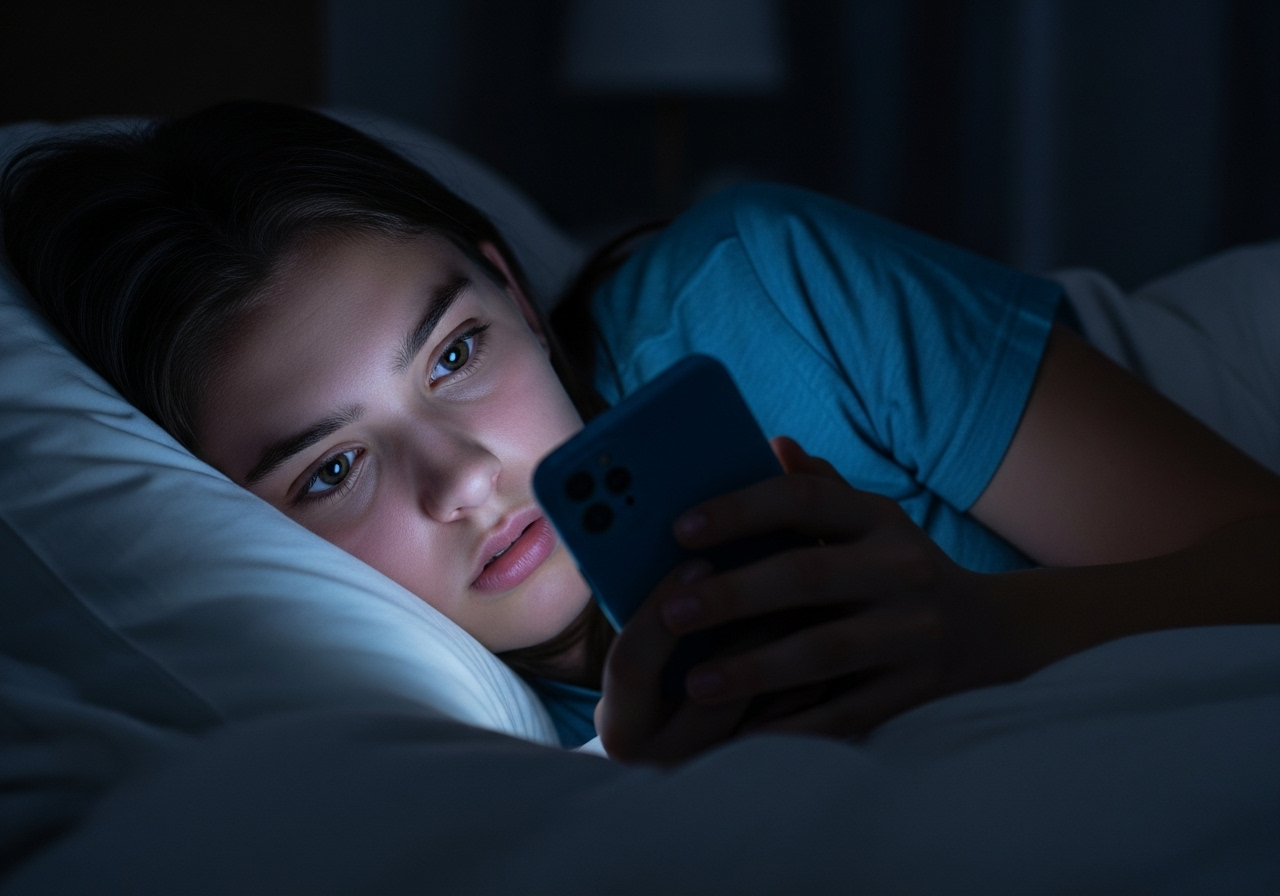
The blue light from screens can disrupt sleep patterns and exacerbate anxiety.
Reclaiming Childhood: Actionable Strategies for Parents
The good news is that it's not too late to help our children navigate the digital world and reclaim their mental well-being. Here are some actionable strategies parents can implement:
- Delay Smartphone Ownership: One of the most impactful decisions parents can make is to delay giving their children smartphones. Haidt advocates for a minimum age of 16, arguing that younger children are simply not equipped to handle the psychological challenges of these devices.
- Create Tech-Free Zones and Times: Establish clear boundaries around screen use. Designate bedrooms as tech-free zones and implement regular "digital detox" periods, such as during meals and before bedtime.
- Encourage Outdoor Play and Real-World Activities: Prioritize activities that promote physical activity, social interaction, and creativity. Encourage your children to spend time outdoors, engage in hobbies, and connect with friends and family in person.
- Model Healthy Tech Habits: Children learn by example. Be mindful of your own screen time and demonstrate a healthy relationship with technology. Put your phone away during meals, family time, and when engaging with your children.
- Open Communication and Education: Talk to your children about the potential risks and benefits of social media and smartphone use. Educate them about online safety, cyberbullying, and the importance of critical thinking. Encourage them to come to you with any concerns or issues they may be experiencing online.
- Consider a "Phone-Free Childhood": Take a page from Spring co-frounder Gönan Premfors and consider a childhood free from the constant distractions of technology, instead focusing on real world play.
- Seek Professional Help: If you are concerned about your child's mental health, don't hesitate to seek professional help. A therapist or counselor can provide support, guidance, and evidence-based interventions to address anxiety, depression, and other mental health challenges.

Prioritize real-world interactions and activities to foster connection and well-being.
The rise in teen anxiety and depression is a complex issue, but the evidence linking it to smartphone use and social media is undeniable. As parents, we have a responsibility to protect our children's mental health and equip them with the skills they need to thrive in the digital age. By setting boundaries, fostering healthy habits, and promoting real-world connections, we can help our children navigate the challenges of the anxious generation and build a brighter, more balanced future.
Factual Questions:
1.What is one of the most effective ways parents can influence their child’s tech habits?
2.What does the term “Dark Patterns” refer to in the digital world?
3.According to Jonathan Haidt and the article, what is a major risk of excessive smartphone and social media use for young people?