

The Dawn of the Human-Centric Era
Okay, let's talk about the future. We hear a lot about Artificial Intelligence, automation, and how machines are getting smarter every day. It's exciting, maybe a little intimidating, but here’s the secret weapon that keeps us humans absolutely essential: Emotional Intelligence (EQ). In a world increasingly run by algorithms, our ability to understand and manage emotions – our own and others' – isn't just a 'soft skill' anymore. It's becoming our most valuable asset, our human superpower.
Think about it. As AI handles more technical and repetitive tasks, what's left? The deeply human stuff: connecting, collaborating, leading with empathy, navigating complex social situations, and bringing creativity to the table. As leadership expert Leisse Wilcox puts it in a recent Forbes article, "In an age defined by automation and AI, one truth stands tall: The one thing we cannot automate is relationships." That’s why global executives at the World Economic Forum ranked EQ as a top skill for the future workplace. It's the key differentiator between just getting by and truly thriving.
So, What Exactly is Emotional Intelligence?
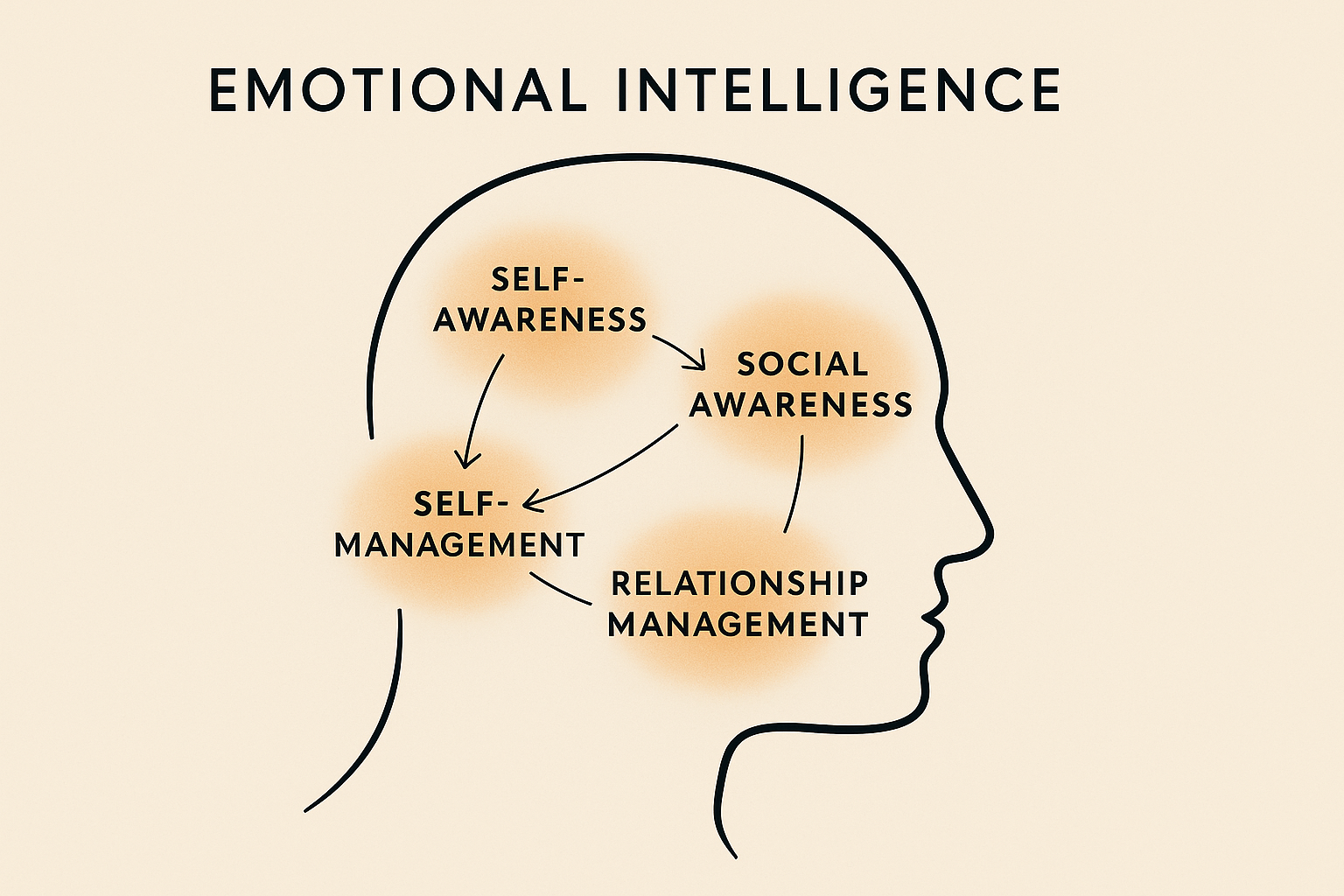
At its heart, EQ is about being smart with feelings. It generally breaks down into four key areas:
-
Self-Awareness: Recognizing your own emotions and how they affect your thoughts and behavior. Knowing your strengths and weaknesses.
-
Self-Management: Being able to control impulsive feelings and behaviors, manage your emotions in healthy ways, take initiative, follow through on commitments, and adapt to changing circumstances.
-
Social Awareness: Understanding the emotions, needs, and concerns of other people, picking up on emotional cues, feeling comfortable socially, and recognizing the power dynamics in a group or organization.
-
Relationship Management: Knowing how to develop and maintain good relationships, communicate clearly, inspire and influence others, work well in a team, and manage conflict.
Describe how you feel about AI with a few key words
Sounds important, right? Research consistently shows that higher EQ correlates with better decision-making, stronger relationships, improved mental well-being, and even increased earning potential. It's not about being 'nice' all the time; it's about being aware, intentional, and effective in how you navigate the emotional landscape of life.
Pause and Reflect: Think about a recent situation where you felt a strong emotion – maybe frustration, excitement, or nervousness. How did you handle it? What impact did your emotional state have on the outcome? (Your reflections here help the Spring AI learn more about you, offering more personalized insights and next steps on your journey!)
EQ: Your Competitive Advantage in an AI World
Why is EQ becoming more critical now? Because leadership, collaboration, and innovation are fundamentally human endeavors. AI might analyze data, but it takes human EQ to interpret that data with empathy, communicate findings effectively, and motivate a team towards a common goal.
Leaders with high EQ are better equipped to:
-
Navigate Change: They help teams stay grounded and adaptable during uncertain times.
-
Make Empathetic Decisions: They consider the human impact alongside organizational goals.
-
Communicate Clearly & Compassionately: They build trust and ensure everyone feels heard and understood.
-
Foster Collaboration: They create environments where people feel safe to share ideas and work together effectively.
The good news? Unlike IQ, which tends to be relatively stable, EQ is a set of skills you can actively learn and develop throughout your life.
Actionable Steps: Boost Your Emotional Superpowers
Ready to start strengthening your EQ? Here are a few practical steps inspired by coaching experts:
-
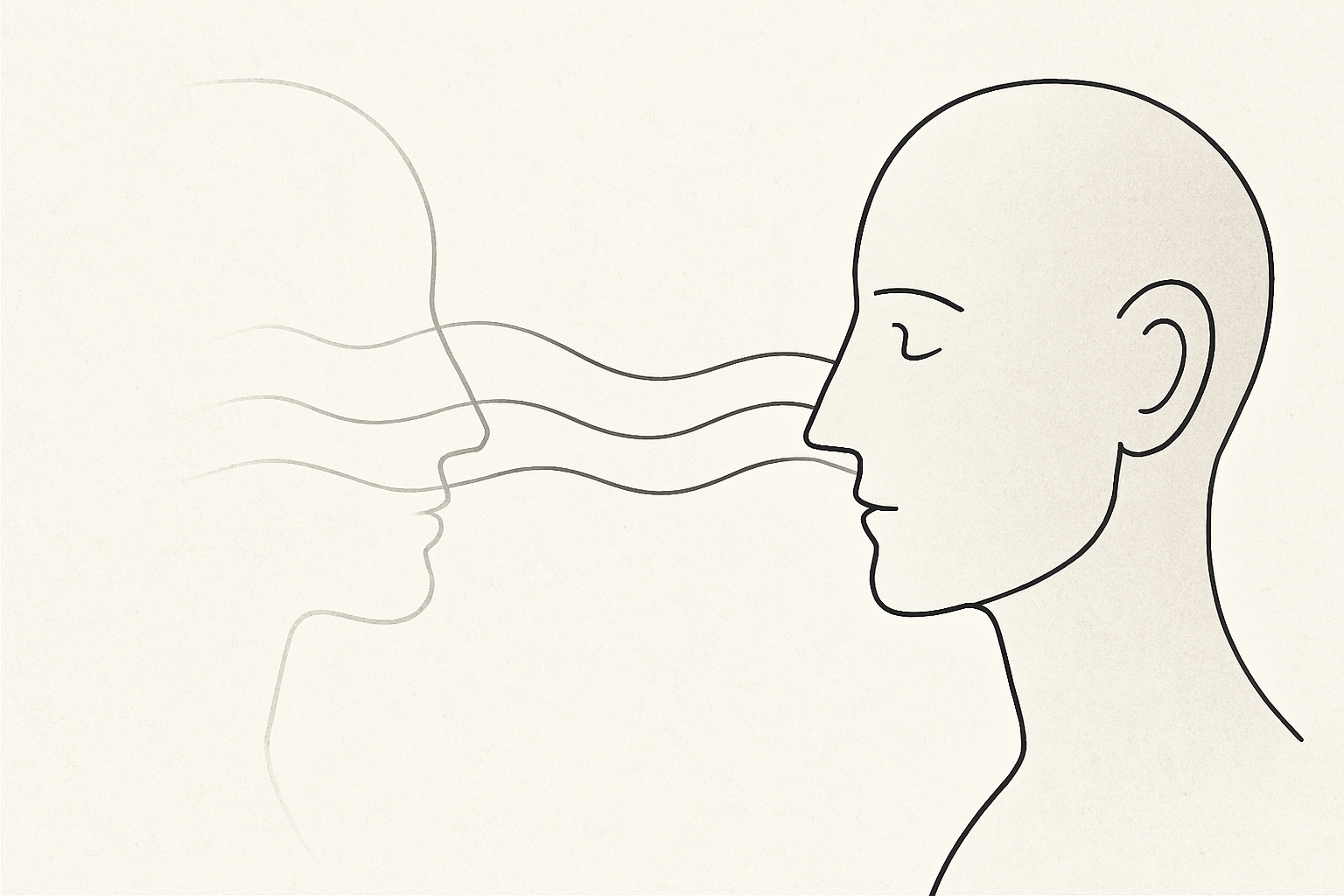
Practice Mindful Listening: In your next conversation, truly focus on understanding the other person's perspective, not just waiting for your turn to talk. Ask open-ended questions like, "Tell me more about that," or "How did that make you feel?" Notice their body language and tone. What emotions are they conveying beyond their words?
-
Tune Into Your Own Emotions: Set aside a few moments each day to check in with yourself. What are you feeling? Name the emotion without judgment. What might be triggering it? A simple journal entry can be powerful here.
-
Seek Constructive Feedback: Ask a trusted friend, colleague, or mentor how you come across in certain situations. For example, "How did I handle that team meeting discussion?" Be open to hearing their perspective, even if it's difficult. This builds self-awareness.
-
Embrace Vulnerability (It's a Strength!): Sharing a challenge you faced or a mistake you learned from can build incredible trust and connection. It shows you're human and creates space for others to be open too.
-
Learn More: Dive deeper! Consider reading Daniel Goleman's classic book, "Emotional Intelligence: Why It Can Matter More Than IQ," or explore resources from reputable organizations like the Institute for Health and Human Potential (IHHP) or Six Seconds (The Emotional Intelligence Network).
Which of the five steps is your biggest challenge?
Which of the five steps is your biggest strength?
When you're ready, evaluate your responses:
References:
-
Goleman, D. (1995). Emotional Intelligence: Why It Can Matter More Than IQ. Bantam Books.
-
World Economic Forum data on top skills