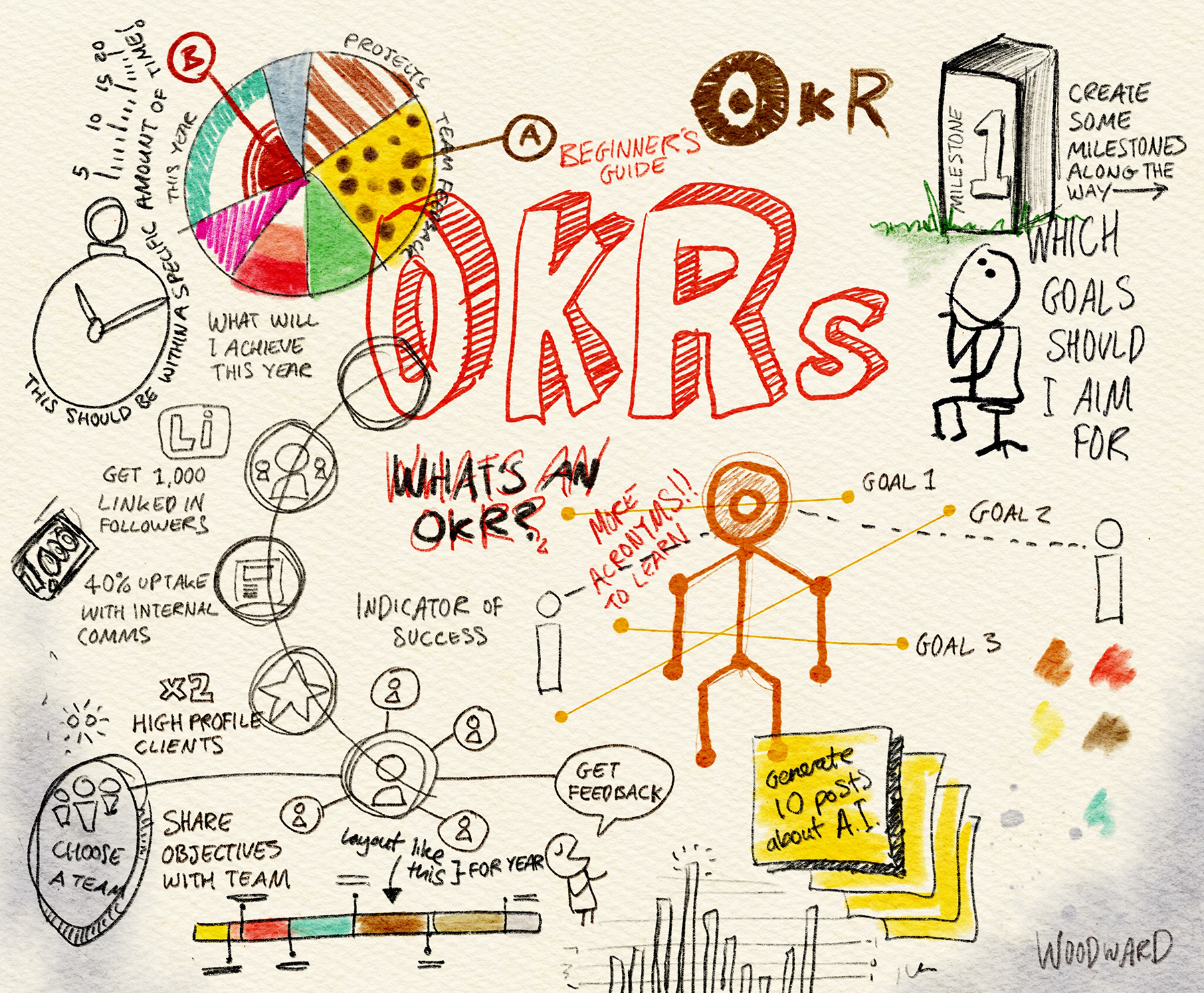

Objective and Key Results (OKRs) have transformed how companies big and small set goals and measure success. But if you're new to the OKR framework, it can seem daunting. Fear not! This beginner's guide will walk you through concrete steps to craft OKRs that are not just numbers on a board but powerful tools steering your efforts toward meaningful outcomes. To make things more real we share what some of our internal OKRs are at Spring.
Step 1: Understand the Basics
OKRs consist of an Objective, which is a qualitative goal designed to be ambitious and inspirational, and Key Results, which are quantifiable outcomes that measure progress towards the Objective. Remember, OKRs are not tasks; they are indicators of success.
Step 2: Define Clear Objectives
Start with identifying what you want to achieve in the coming quarter or year. Objectives should be aspirational yet achievable, motivating, and align with your organization's vision. Limit yourself to 3-5 Objectives to maintain focus.
Spring Example Objective: "Launch Spring 1.0 and create brand awareness in the UAE."
Step 3: Set Measurable Key Results
For each Objective, define 3-5 Key Results. These should be specific, time-bound, and measurable outcomes that, if achieved, will signify the Objective has been met. Think of Key Results as milestones on your journey toward your Objective.
Spring Example Key Result for the above Objective:
-
Achieve a thousand Linkedin followers by the end of Q3
-
Have 3 networking events for potential organizational clients by the end of Q3
-
Land at least 1 high profile client and generate and publish 10 posts about it on Spring by the end of Q3
Step 4: Ensure Alignment and Relevance
Your OKRs should not exist in a vacuum. Each team's OKRs should align with the overall goals of the organization. This alignment ensures that everyone's efforts contribute to the bigger picture. Discuss and refine your OKRs with stakeholders to ensure they are relevant and supportive of broader company goals.
Step 5: Make OKRs Accessible
Once finalized, share your OKRs with your team and the wider organization. Transparency is key to OKR success, as it fosters collaboration and accountability. With Spring all OKRs are viewable by anyone in the company. Colleagues can comment and rate their level of confidence in the goals and outcomes. It's also a great way for anyone to offer a team help.
Step 6: Regularly Review and Adjust
OKRs are not set in stone. Regular check-ins, at least quarterly, are essential to assess progress, celebrate achievements, and recalibrate if circumstances have changed. Learning from what didn't work is as important as setting the goals in the first place.
At Spring team members check in and comment on their OKRs every two weeks. It's also an opportunity for the owner of the goal to set the level of progress and consider comments from collaborators.
Step 7: Cultivate a Supportive OKR Culture
Implementing OKRs is as much about culture as it is about strategy. Encourage open dialogue about challenges, provide resources for achieving Key Results, and celebrate when milestones are reached. A supportive environment turns OKRs from a chore into a shared mission.
OKRs shouldn't remain in the digital realm and instead should be part of regular conversations and collaboration. At Spring the OKRs are a way to align around common goals and then create ongoing collaboration to make sure goals are achieved.
In Conclusion
Creating OKRs for the first time can feel like navigating uncharted waters, but with these steps, you'll be equipped to set meaningful, actionable goals that propel your team and organization forward. Remember, the journey of implementing OKRs is a cycle of setting, achieving, learning, and adjusting. Embrace it with openness and a collaborative spirit, and watch as your collective efforts translate into remarkable achievements.
Was this posts useful?
Please let us know if you have any feedback or requests to follow-up content