

This post has been reviewed and validated by the Spring Content Council for factuality, relevance, and uniqueness.
Spring aims to educate and train users in everything that makes life easier, better, safer, and more fun. Sometimes these subjects are about the harsh realities of life like this post about fraud and the nefarious players that would love nothing more than stealing your hard-earned cash or abusing a system in a way that you end up eating the additional cost through price increases or higher insurance premiums.
In the dark world of payments and credit cards, fraud is rising at an alarming rate. Businesses are losing a staggering 3% of their revenue to fraud annually—equivalent to billions of dollars down the drain. But it’s not just merchants feeling the pinch—you could be next. As fraudsters get smarter, the cost of their crimes is trickling down to you through higher prices and stricter return policies.
What is the most likely action if an unknown $20 transaction appears on your card statement?
The 2024 Global eCommerce Payments & Fraud Report reveals shocking insights: nearly 50% of businesses are being hit by first-party misuse, where customers fraudulently demand refunds for goods they’ve already received. Even worse, 3% of all transactions are outright fraudulent, leading to rejected orders and frustrated customers—many of whom are innocent victims flagged as suspicious.
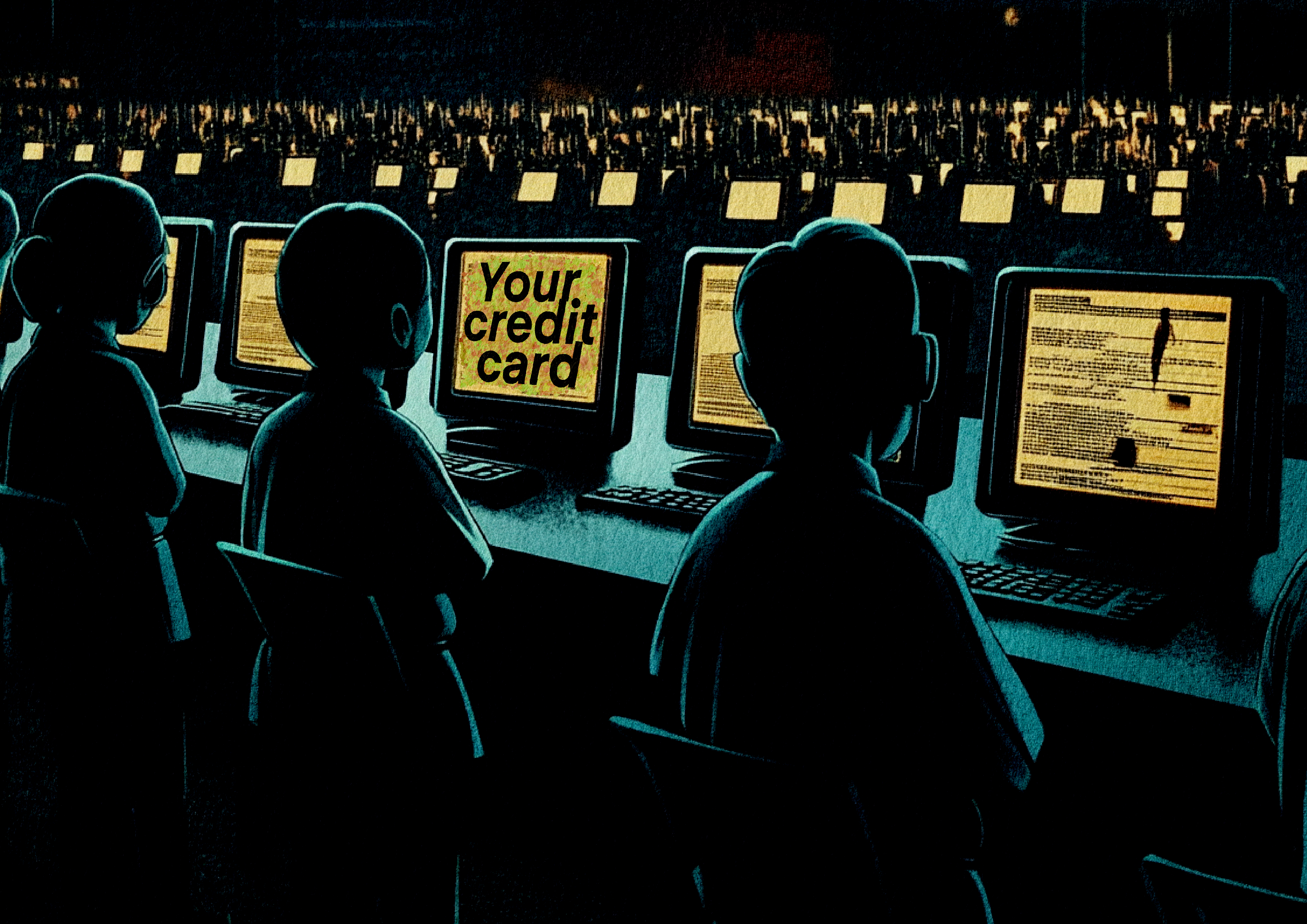
It's essential to protect yourself as there is an army of criminals armed with technology and skills waiting to penetrate our, often weak, security. Images by Spring Editorial team
The Impact on You
For consumers, the cost is more than just financial. Fraud is causing headaches for online shoppers as orders are canceled, returns are denied, and personal data is increasingly at risk. Every fraudulent transaction pushes prices up, making the honest shopper pay more for less. With identity theft on the rise, your sensitive information could be the next target.
How You Can Fight Back
Don’t wait to be a victim. Here’s how you can protect yourself:
-
Read about scams and frauds to familiarize yourself with the latest news — there are many free resources available
-
Check your statements regularly for unauthorized charges — even the small amounts
-
Strengthen your passwords and enable two-factor authentication
-
Avoid sharing personal info unless it’s absolutely necessary
Fraud is a growing epidemic, and it's coming for your wallet. Protect yourself now so you don't have to deal with the pain it can cause later.
Citations and links