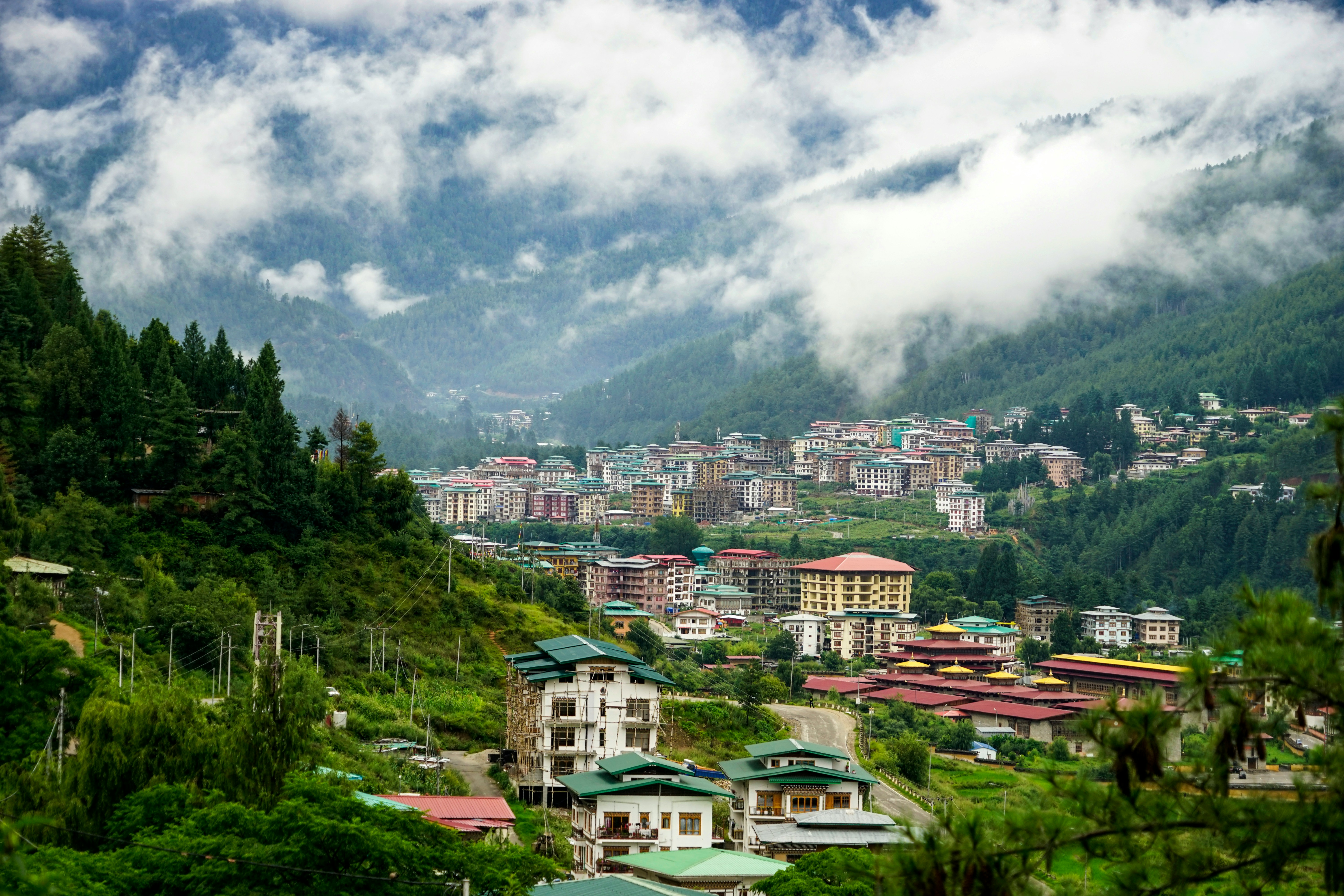
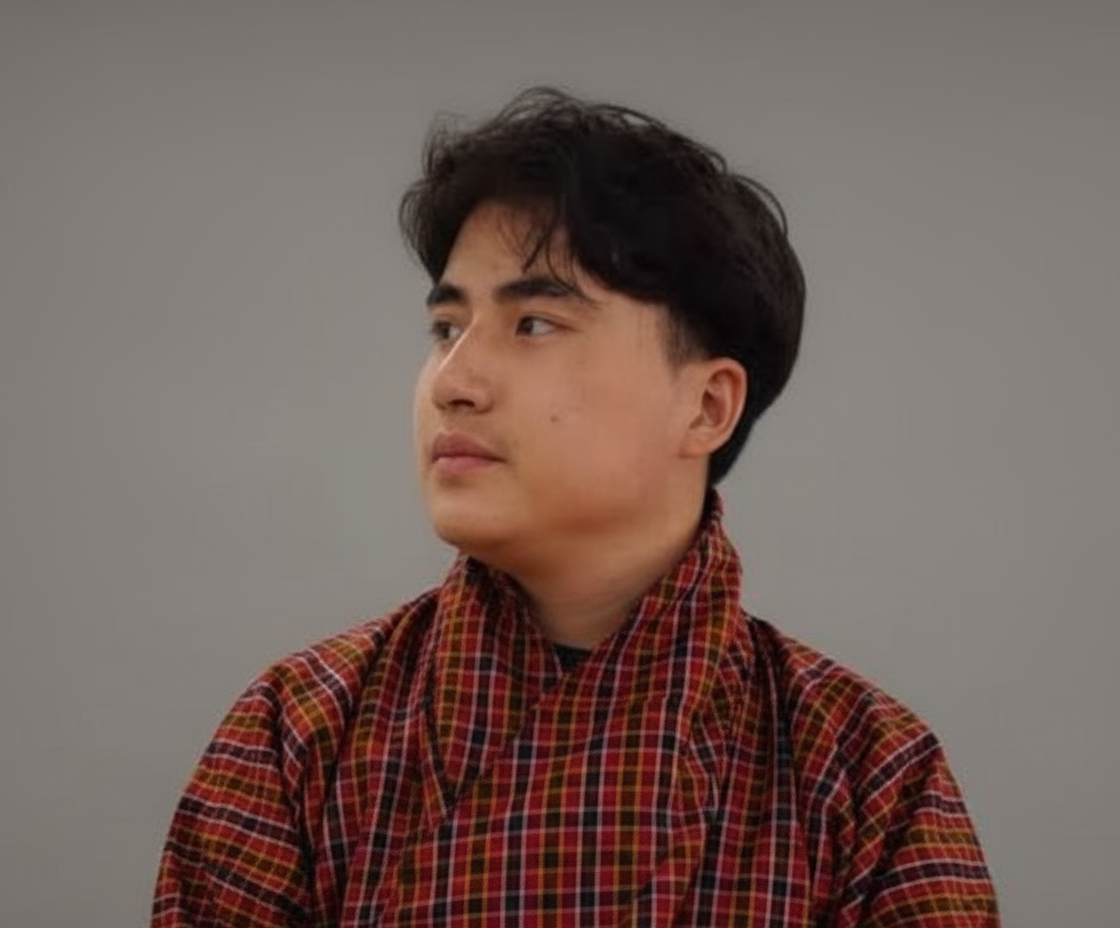
Thimphu, Bhutan’s serene yet spirited capital, is a city where monks check smartphones between prayers, and crimson-robed lamas cross paths with office-goers in ghos and kiras. It’s a place where tradition doesn’t just survive — it thrives alongside modern life. If you’re visiting, here are seven unforgettable experiences that will leave you with stories worth retelling.
1. Buddha Point: The Majestic Buddha Dordenma
At 51.5 meters tall, the golden Buddha Dordenma isn’t just a statue — it’s a presence. Perched high on Kuensel Phodrang hill, it watches over the valley with quiet grace. Step inside, and you’ll find 125,000 miniature Buddhas glowing in the half-light, plus a serene meditation hall on the ground floor. For the most magical encounter, climb up at dawn. When the first rays of sun hit its gilded face, it feels less like sightseeing and more like a blessing.
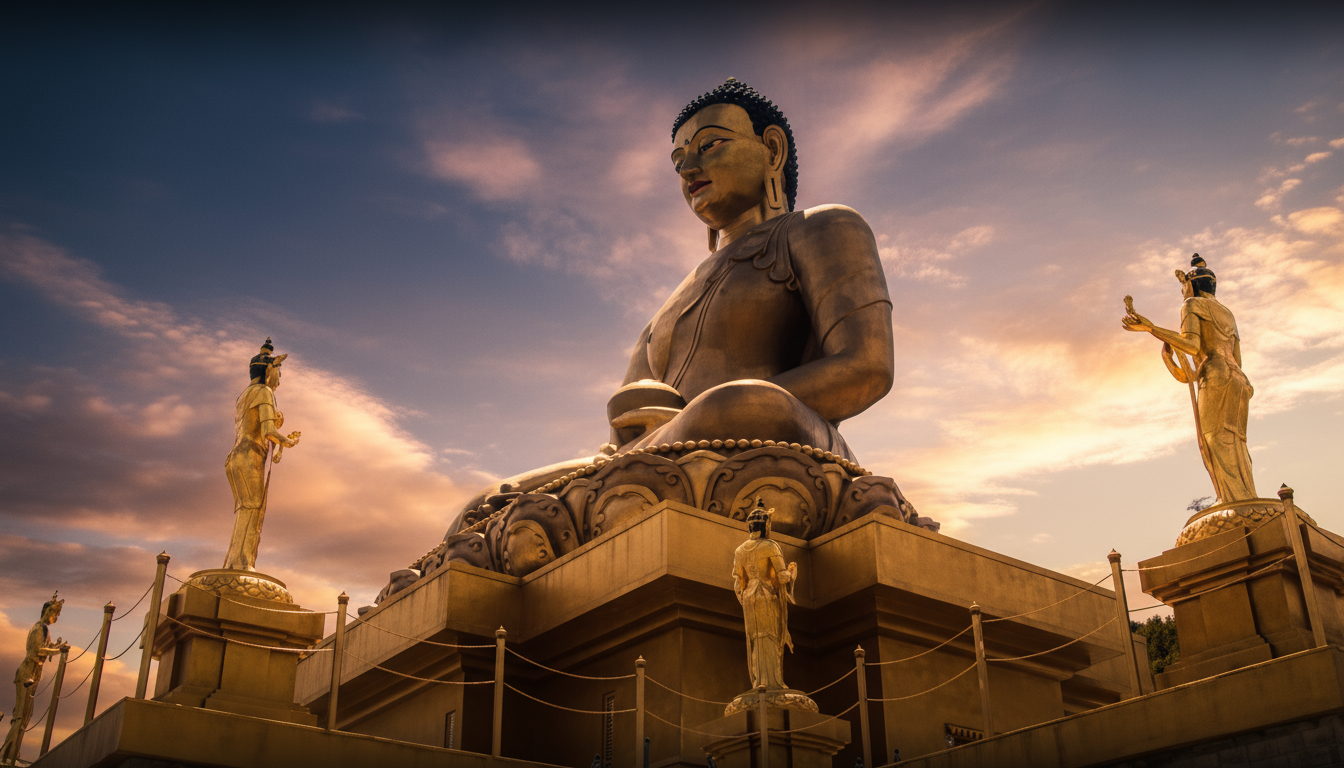
He doesn’t just overlook Thimphu — he owns the skyline. A 169-foot Buddha reminding everyone who’s boss when it comes to inner peace.
2. Takin Zoo
Half goat, half cow, and wholly unique, the takin is Bhutan’s national animal. Legend credits the “Divine Madman,” Lama Drukpa Kunley, for its creation. Today, you’ll find them roaming at the Motithang Takin Preserve, just past the BBS Tower viewpoint. Go early in the morning when they gather for feeding — it’s quirky, it’s memorable, and you’ll probably leave with a new favorite animal.
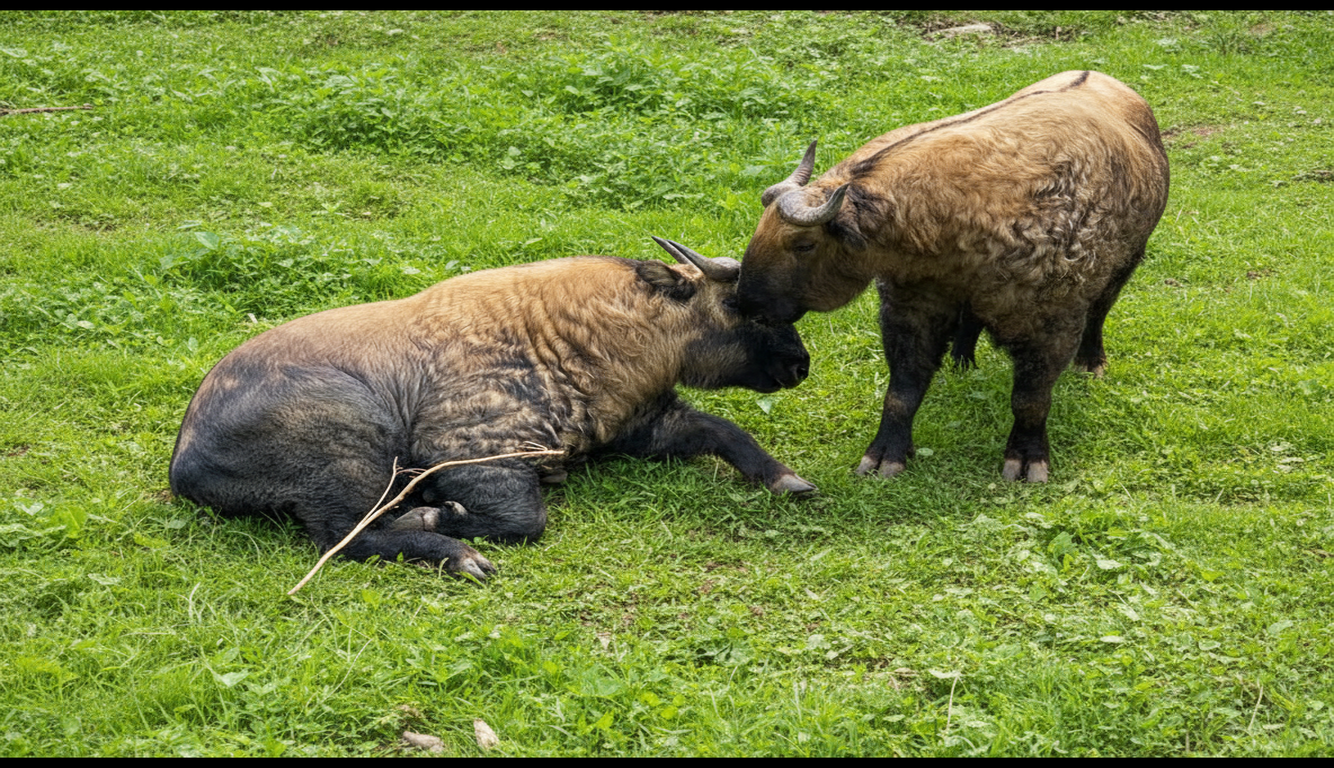
Half goat, half cow, fully mythical. The takin proves Bhutan doesn’t just protect wildlife — it protects wonder itself.
3. Memorial Chorten
Built in 1974 to honor the third king, the Memorial Chorten is less a monument and more a beating heart of the city. Elderly devotees circle it endlessly, prayer wheels spinning in rhythm with murmured mantras. Children dart between pigeons, and inside, colorful mandalas shimmer under soft light. It’s a place where devotion and daily life blend seamlessly.
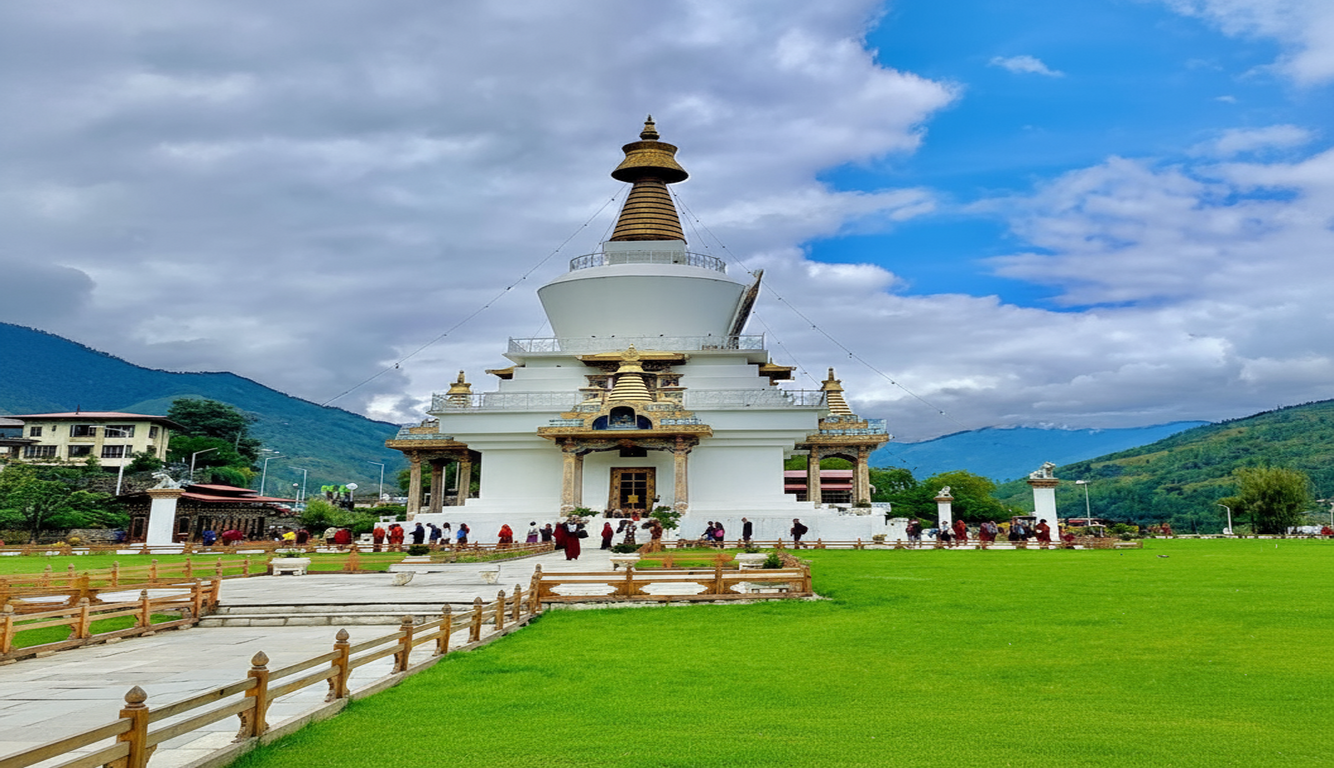
The locals’ daily power walk of devotion. Spin a few prayer wheels, catch the rhythm, and feel your mind quiet faster than a meditation app.
4. Tashichho Dzong
Standing proudly along the Wang Chu River, Tashichho Dzong is as much a seat of governance as it is a house of faith. It houses the seat of the government, the King’s throne room and offices, and serves as the summer residence of the central monastic body. Whitewashed walls, golden tiered roofs, and manicured gardens give it an aura of both grandeur and serenity. Visit during the Thimphu Dromche, the annual festival, when the Dzong bursts into life with masked dances, sacred rituals, and a spectacle of color.
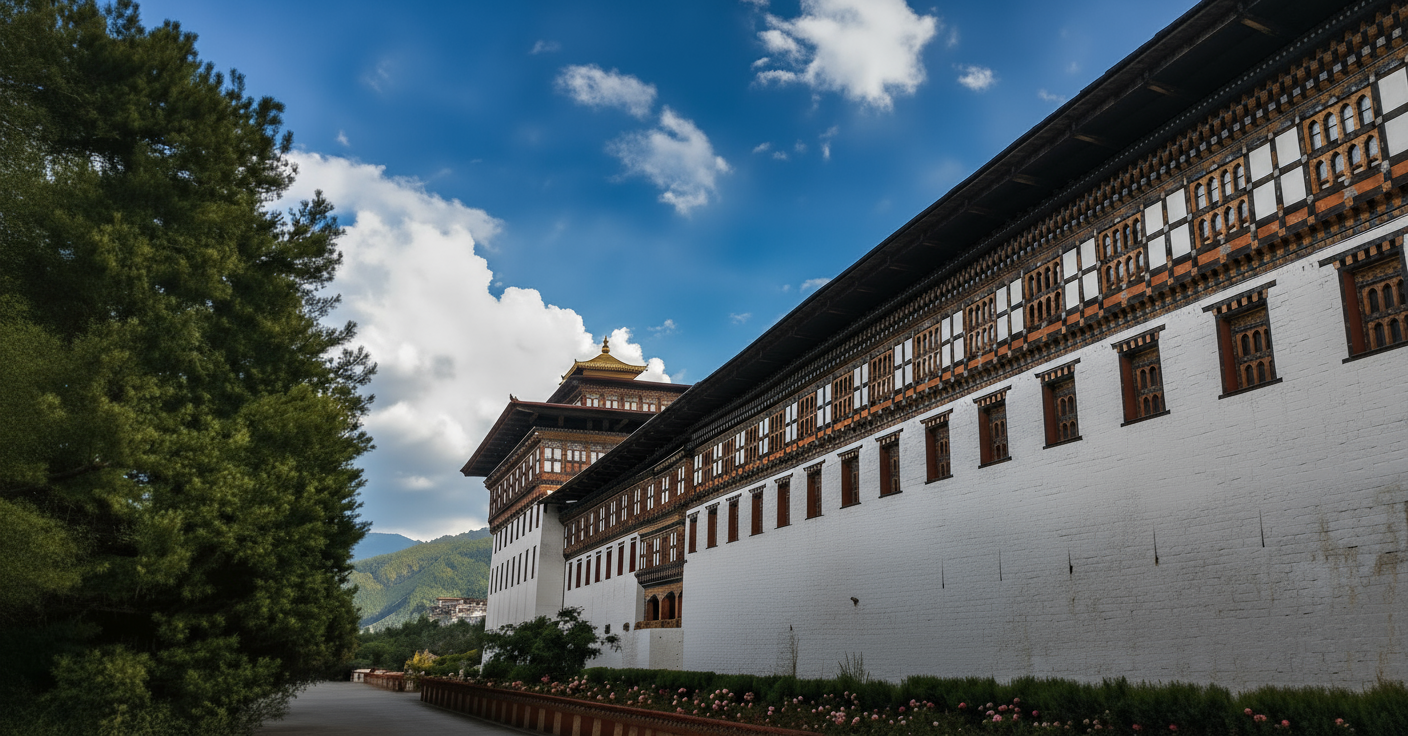
Part fortress, part monastery, all authority. Bhutan’s spiritual and political heartbeat wrapped in carved wood and whitewashed stone.
5. Dochula Pass
At 3,100 meters, Dochula Pass is the place where the sky feels close enough to touch. On a clear day, the eastern Himalayas line the horizon, crowned by the mighty Gangkar Puensum. The 108 chortens, built in honor of Bhutanese soldiers, stand as white sentinels against a backdrop of swirling clouds. Whether you’re snapping photos or simply breathing in the crisp mountain air, it’s a stop that humbles and uplifts all at once.
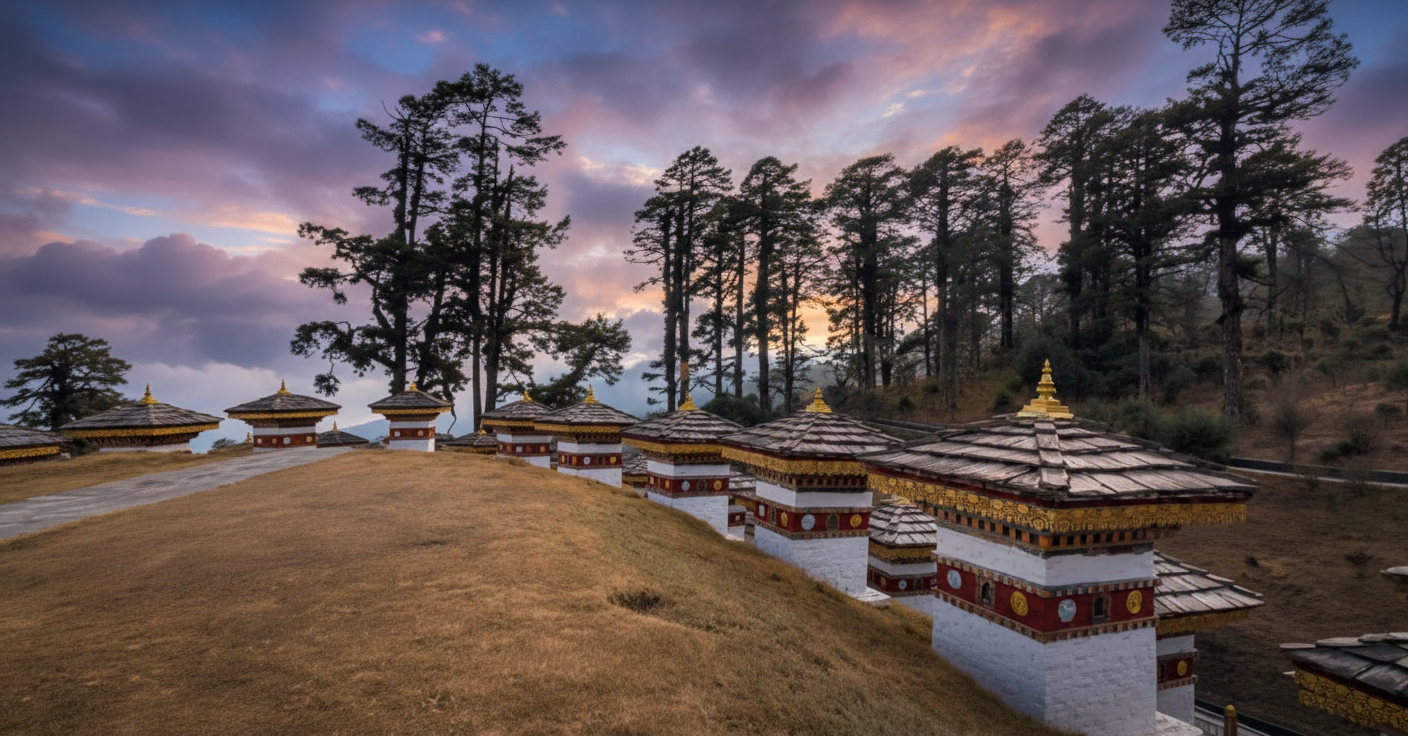
Clouds roll, flags flutter, and 108 chortens whisper to the mountains. It’s less a viewpoint — more a spiritual mic-drop.
6. Handicraft Market on Norzim Lam
Skip the generic keychains. On Norzin Lam, the Handicraft Market buzzes with artisans selling textiles, jewelry, and hand-carved treasures. Each stall tells a story — of weavers passing down age-old patterns, or carvers chiseling symbols of protection into wood. Don’t just shop; talk to the craftspeople. The smile that comes with a handwoven kira or a gho may be the most valuable souvenir of all.
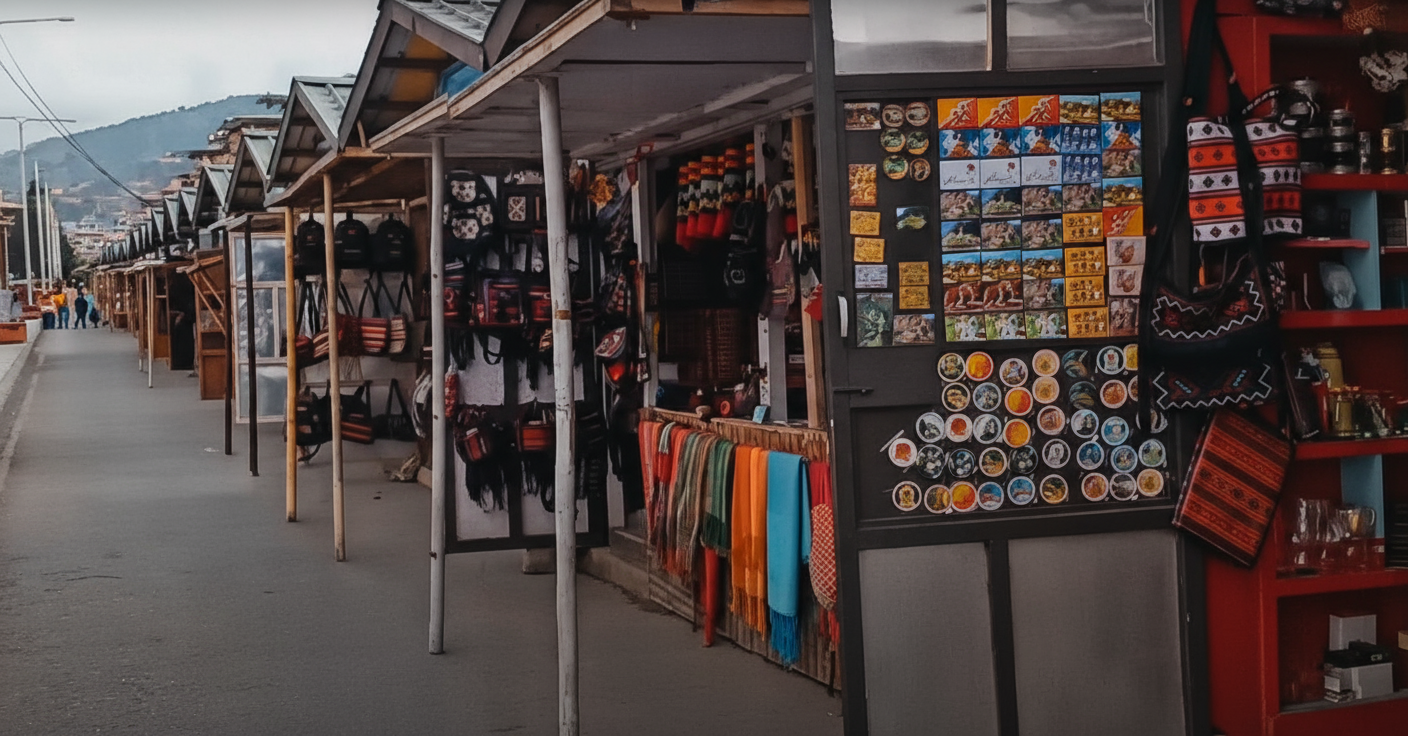
No glossy malls here — just rows of color, chaos, and handmade soul. Bargain if you dare; the real value’s in the story you take home.
7. Royal Textile Museum
Bhutan’s story isn’t written in books alone — it’s woven into fabric. At the Royal Textile Museum, you’ll encounter dazzling displays of kira, gho, and intricate patterns that carry centuries of symbolism. Knowledgeable guides reveal how each color, motif, and stitch speaks of identity, status, and belief. Touch the fabrics, marvel at the dyes, and you’ll leave with a deeper appreciation of Bhutan’s artistry.
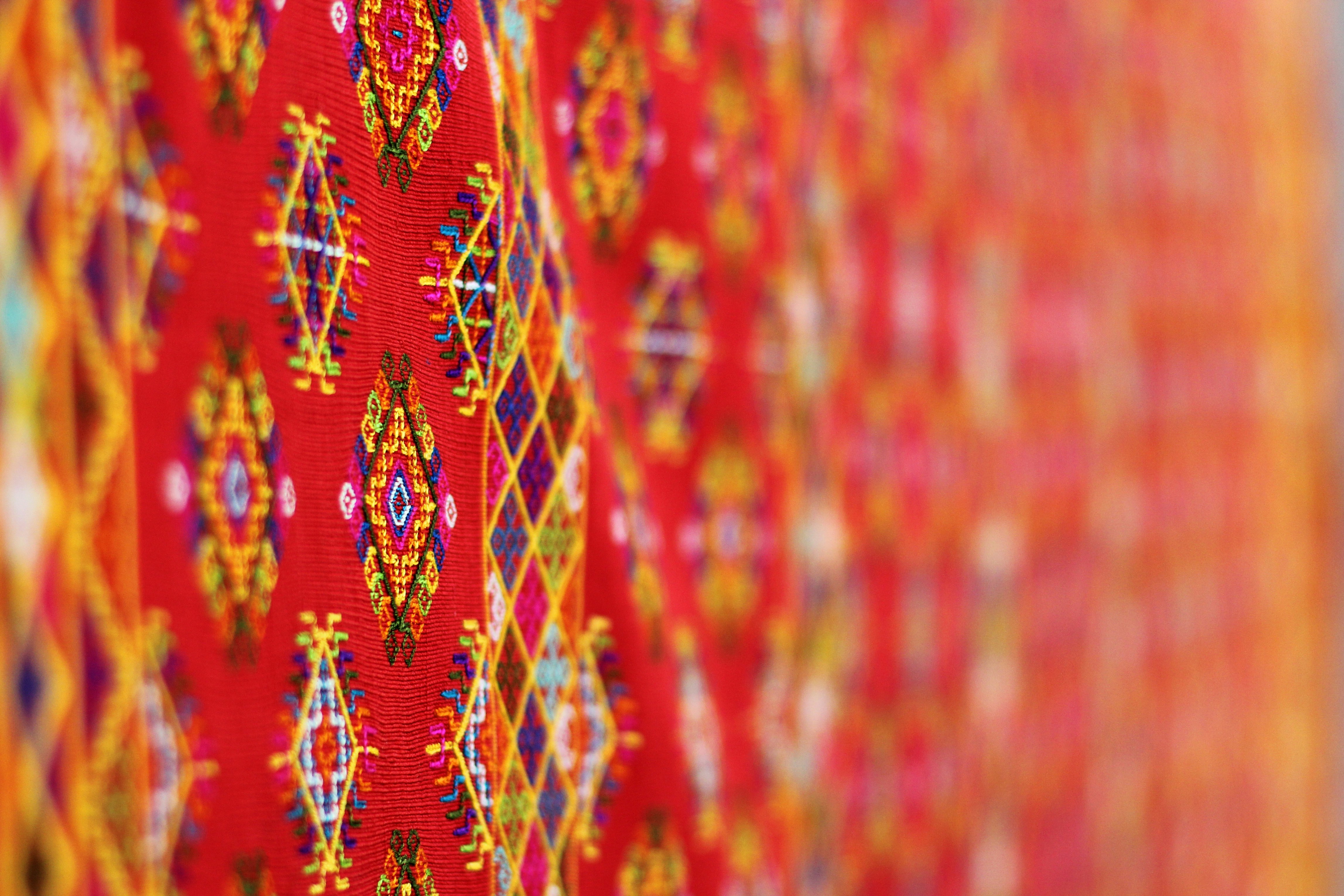
Where tradition threads into the future. The Royal Textile Academy turns ancient weaving into high art — proof that Bhutan’s culture doesn’t sit in museums; it evolves. Photo by Pema Gyamtsho via Unsplash
Thimphu: A City That Speaks to All Senses
Thimphu is not just a capital; it’s a living, breathing story. It hums with prayer chants, glows with golden statues, and bustles with artisans preserving heritage. Whether you’re standing before a colossal Buddha, gazing over cloud-draped passes, or haggling for handwoven textiles, Thimphu will linger with you long after you’ve left.
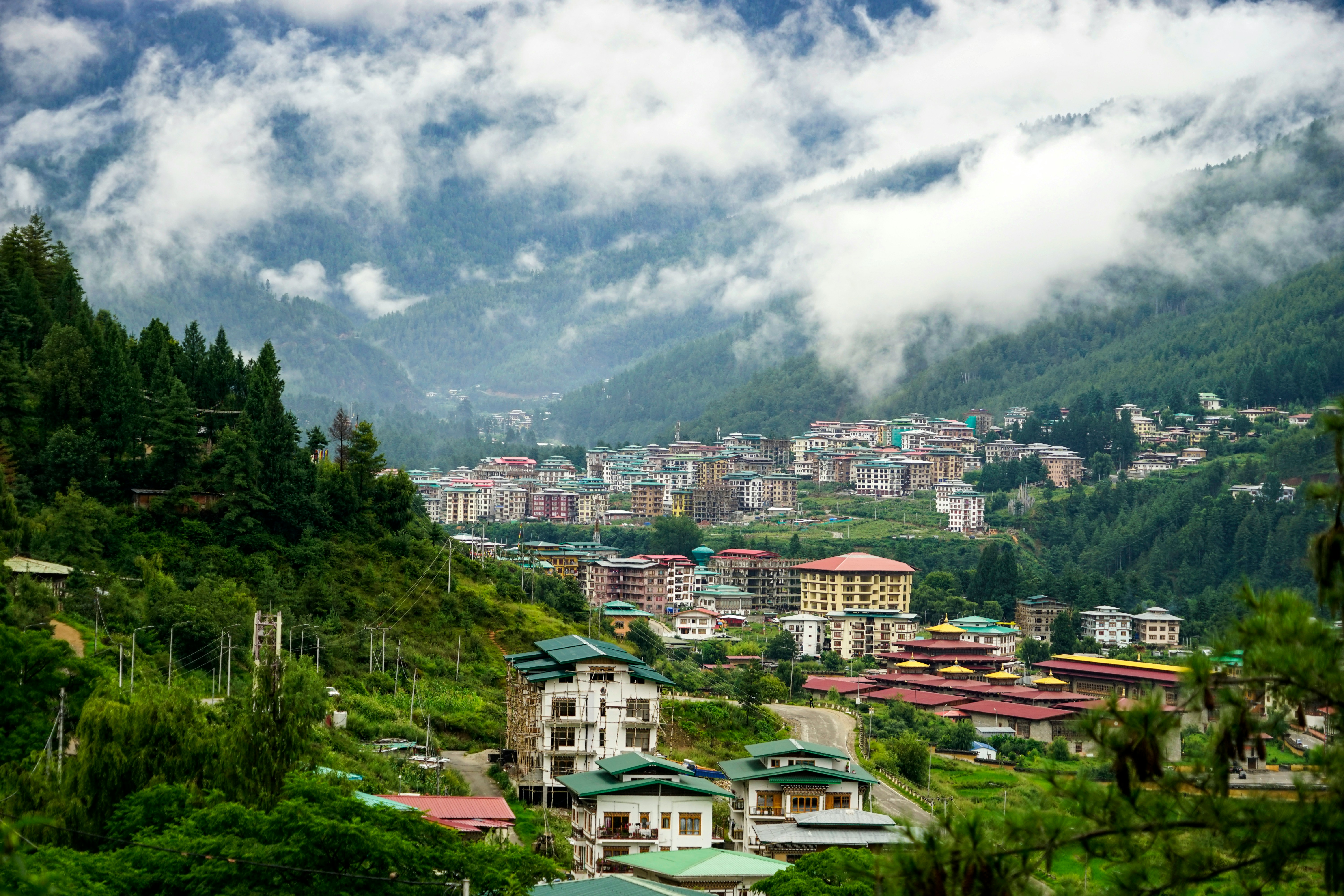
A capital with no traffic lights, no rush, and zero pretense. Thimphu doesn’t perform calm — it lives it. The rest of the world should take notes. Photo by Pema Gyamtsho via Unsplash
Question to you, traveler: When you finally arrive in Thimphu, which memory will you choose to make first?
Quick Poll: Where Would You Go First in Thimphu?