

This article will explore seven common parenting pitfalls, including over-reliance on school education, failing to instill values, the lack of emotional support, overscheduling, underestimating the importance of family time, ignoring mental health, and disregarding the power of role modeling.
By recognizing and addressing these challenges, parents can take a more proactive role in nurturing their child's full potential and fostering a strong foundation for a successful and fulfilling life. It will not only make our children happier, it will also make our own lives better.

1 - Over-reliance on School Education: The One-Stop-Shop Fallacy
Many parents assume that schools are solely responsible for their child's education. While schools play a crucial role, parents should also be actively involved in their child's learning journey. Collaborating with teachers and taking an interest in their academic progress is essential for a well-rounded education. Parents should also expose their children to a variety of educational and life experiences outside the classroom, fostering their curiosity and critical thinking skills.
Do you know what the learning focus is for your child in school today?
2 - Failing to Instill Values: Who's Teaching Right from Wrong?
Parents are the primary source of values for their children, and it's important to actively teach and model moral and ethical behavior. Unfortunately, many parents assume that schools and society will automatically instill these values. To build a strong moral compass, parents should communicate their beliefs, have open conversations, and engage their children in activities that emphasize the importance of honesty, kindness, and responsibility.

3 - Lack of Emotional Support: The Missing Link to Success
Emotional support is vital for a child's well-being, yet many parents underestimate its importance. With busy lives, parents may overlook their child's emotional needs, leaving them to navigate their feelings alone or rely on friends and teachers. To foster a strong emotional foundation, parents should actively listen, empathize, and provide guidance through life's challenges.
And, asking your kids how their day was, is not emotional support. To offer emotional support you need to be able to ask the right questions and listen carefully. And, if you as a parent react to their emotions (other than offering an ear or a shoulder to cry on), or judge (tell them what they are feeling is wrong) you will ensure that they will never share with you again. Sound tough to do? Yes, it is, but with practice, it will create remarkable results as your kids will start to trust you in new ways.
If my kid has had a hard time in school I would most likely start by:
4 - Overscheduling: The Myth of More Activities Equals Better Growth
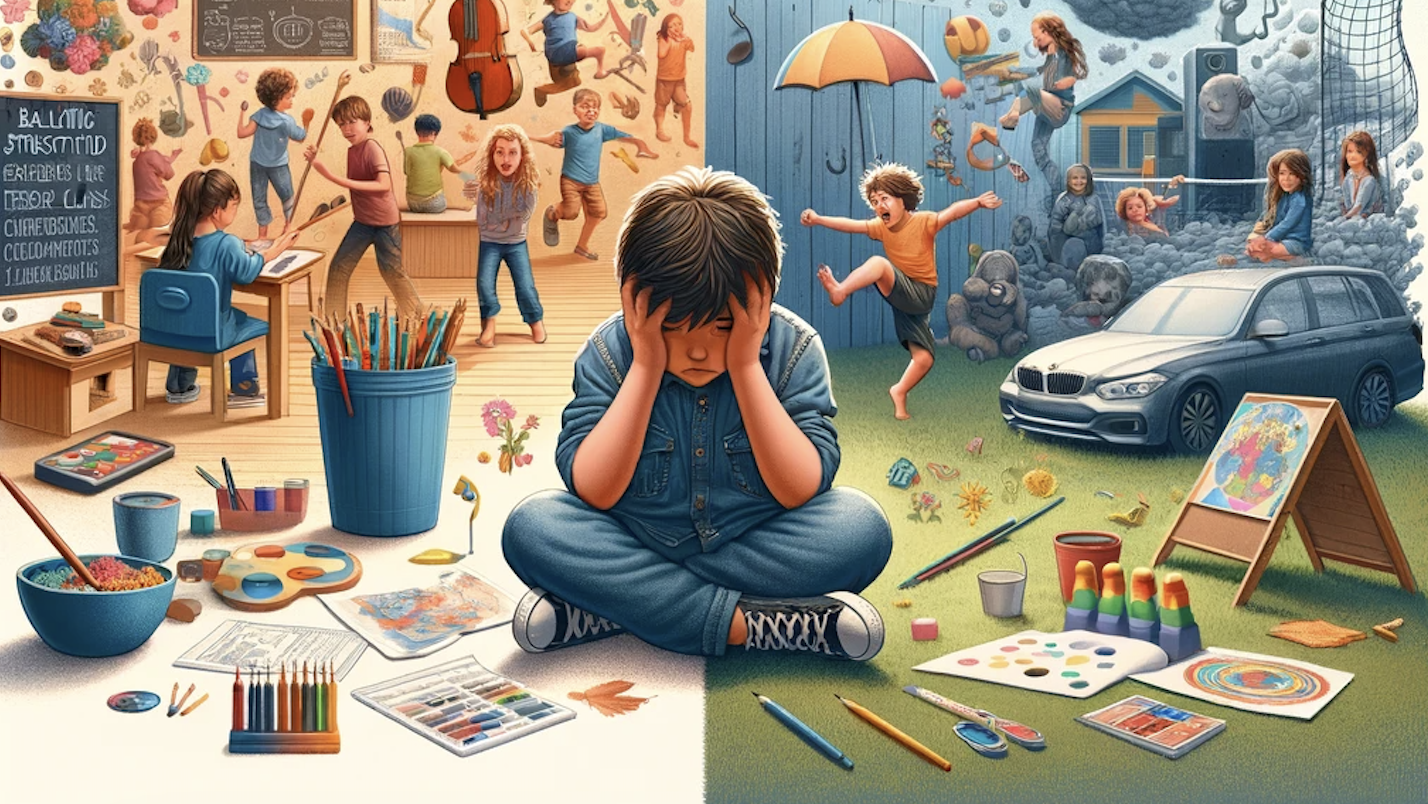
In an attempt to give their children the best opportunities, parents often overbook their schedules with extracurricular activities. Unfortunately, this can lead to burnout and stress, robbing children of their downtime and opportunities for self-discovery. Striking a balance between structured activities and free play allows children to explore their interests and develop their creativity.
5 - Underestimating the Importance of Family Time: Lost Moments
Family time is crucial for building strong bonds, yet it is often neglected due to busy schedules. Parents should prioritize quality time with their children, even if it means adjusting their own commitments. Regular family dinners, game nights, and outdoor activities can help create lasting memories and foster a strong sense of belonging.

6 - Ignoring Mental Health: The Invisible Struggle
Mental health issues in children are on the rise, but many parents overlook the signs, assuming that schools and society will address them. Early intervention is crucial, and parents should educate themselves on the signs of mental health struggles and seek professional help when needed. Providing a safe and supportive environment can help children navigate through emotional challenges.
7 - Disregarding the Power of Role Modeling: Actions Speak Louder than Words
Children learn more from observing their parents' behavior than from being told what to do. When parents fail to model healthy habits, effective communication, and strong relationships, they inadvertently leave these lessons to be learned from peers and the media. By being conscious role models, parents can positively influence their children's behavior and character.

In summary, parents play a vital role in their child's development, beyond what schools and society can provide. By taking an active role in their child's education, emotional well-being, and moral growth, parents can lay the groundwork for a successful and fulfilling life. Recognizing these common mistakes is the first step toward making meaningful changes and raising well-rounded individuals.