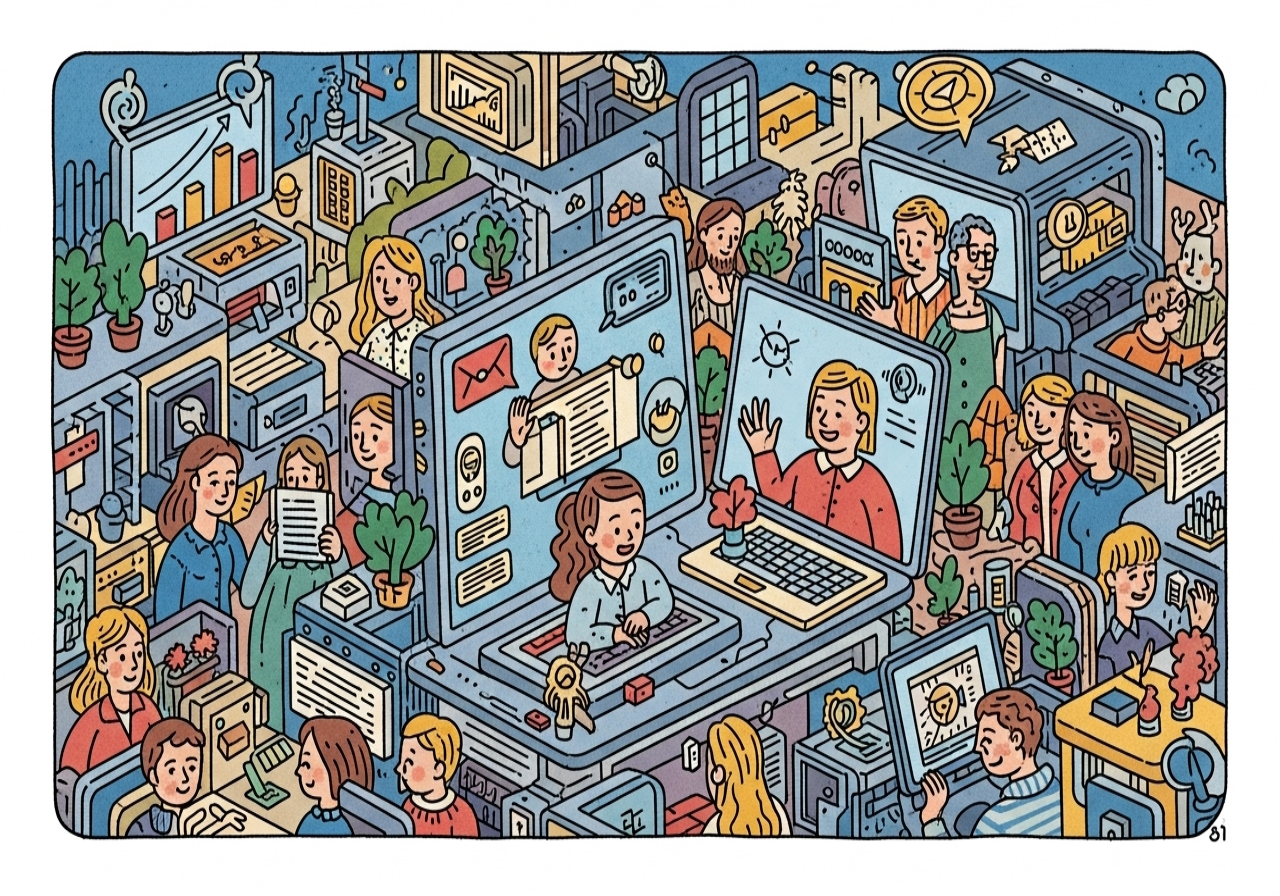

In the breakneck speed of the digital age, where interactions are often mediated by screens and algorithms, the bedrock of any successful endeavor remains fundamentally human: trust. From the virtual boardroom to the dispersed project team, trust is the invisible glue that binds individuals, fosters collaboration, and ultimately drives results. But how do we cultivate this crucial element in an era defined by remote work, instant communication, and a constant barrage of information?
The answer lies in understanding that trust, while seemingly intangible, is built on concrete behaviors and principles. Research from Harvard Business Review and sociological studies from Stanford University offer invaluable insights into how leaders can foster trust within their teams and organizations, creating a more positive, productive, and ultimately resilient work environment.
One of the key takeaways from HBR's research is the importance of leadership credibility. In their article "How Leaders Build Trust," Jack Zenger and Joseph Folkman identify several behaviors that consistently correlate with high levels of trust. These include consistently walking the talk, demonstrating expertise, building strong relationships, and sharing information openly.

Open communication and shared vision are vital for building trust in collaborative environments.
These findings underscore the notion that trust is not simply given; it is earned. Leaders who consistently demonstrate integrity, competence, and empathy are far more likely to inspire trust in their teams. This is particularly crucial in a digital context, where the absence of face-to-face interaction can make it harder to gauge sincerity and build rapport.
Consider the example of a tech company that recently implemented a fully remote work policy. Initially, productivity dipped, and morale suffered. Employees felt disconnected, and rumors of potential layoffs circulated. However, the CEO recognized the erosion of trust and took decisive action. She began holding weekly all-hands meetings, where she openly shared company performance data, addressed employee concerns, and answered questions transparently. She also instituted a mentorship program to foster stronger relationships between team members. Within a few months, productivity rebounded, and employee morale soared. This turnaround was directly attributable to the CEO's commitment to building trust through open communication and genuine engagement.
Sociological studies from Stanford delve deeper into the dynamics of trust within groups. One particularly relevant study, "Experiments in Trust" by Matthew O. Jackson, examines how social networks and repeated interactions influence trust formation. The study found that individuals are more likely to trust those with whom they have a strong social connection and those who have demonstrated trustworthiness in past interactions.
This highlights the importance of fostering social connections within teams, even in a digital environment. Leaders can facilitate this by creating opportunities for informal interaction, such as virtual coffee breaks, online games, or team-building activities. They can also encourage employees to share personal stories and experiences, helping to build a sense of camaraderie and mutual understanding.
Another key aspect of building trust in the digital age is embracing vulnerability. In her widely popular TED Talk, Brené Brown argues that vulnerability is not a weakness, but rather a strength. She contends that when leaders are willing to be open about their own mistakes and challenges, they create a safe space for others to do the same. This, in turn, fosters a culture of trust and psychological safety, where employees feel comfortable taking risks and innovating.

Embracing vulnerability fosters a culture of trust and encourages open communication.
This principle applies equally to the digital realm. Leaders who are willing to admit when they don't have all the answers, who solicit feedback from their teams, and who openly acknowledge their own vulnerabilities are more likely to build trust and inspire loyalty.
Furthermore, technology itself can be leveraged to enhance trust within organizations. For example, project management software that provides transparent access to project status updates, task assignments, and communication logs can help to build accountability and reduce ambiguity. Similarly, internal communication platforms that facilitate open dialogue and knowledge sharing can foster a sense of community and transparency.
However, it's crucial to remember that technology is merely a tool. It's the human element – the commitment to ethical behavior, open communication, and genuine empathy – that ultimately determines whether technology enhances or erodes trust.

We can’t forget that technology is just a tool
In conclusion, building strong relationships in a digital world requires a conscious and deliberate effort to cultivate trust. By prioritizing leadership credibility, fostering social connections, embracing vulnerability, and leveraging technology responsibly, leaders can create work environments where individuals feel valued, respected, and empowered to contribute their best. In doing so, they will not only enhance collaboration and productivity but also build more resilient and sustainable organizations that are well-equipped to thrive in the ever-evolving digital landscape. The hottest topics of 2025 will only be solved with trust at the foundation.