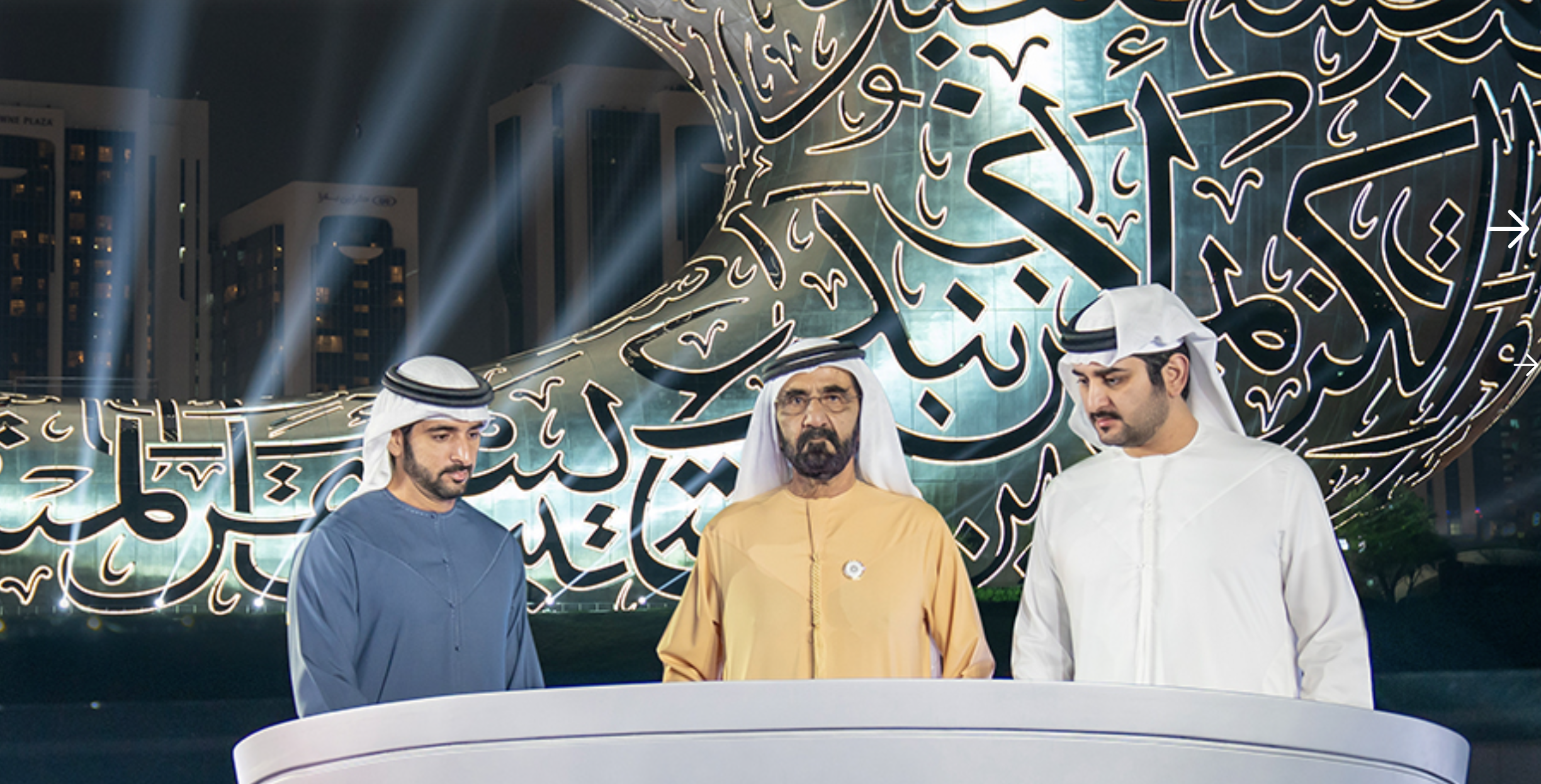

Dubai’s Get-It-Done Dynasty
From creekside dust to global skyline, the Al Maktoum family didn’t chase perfection — they chased progress. And they did it faster than anyone thought possible.
Dubai’s magic isn’t that it’s flawless — it’s that it refuses to settle.
The summers can melt your willpower, the dust gets everywhere, and yes, the traffic crawls unless you know how to avoid it. But where most cities slow down under pressure, Dubai hits the accelerator.
Run out of coastline? Build islands.
Need more shade? Air-condition the bus stops.
This city’s default response to a challenge isn’t complaint — it’s creation.
And that relentless problem-solving spirit has been baked into its DNA since 1833, when Maktoum bin Buti Al Maktoum packed up from Abu Dhabi and started anew by the Creek. That bold move made Dubai independent, entrepreneurial, and permanently allergic to small dreams.
The Creek That Launched a City
Maktoum bin Buti knew what he was doing. The Creek wasn’t just a body of water — it was Dubai’s first economic engine. Merchants came, pearl divers thrived, and the city began to hum with trade.
Pulse check When you think of Dubai, what’s the first word that comes to mind?
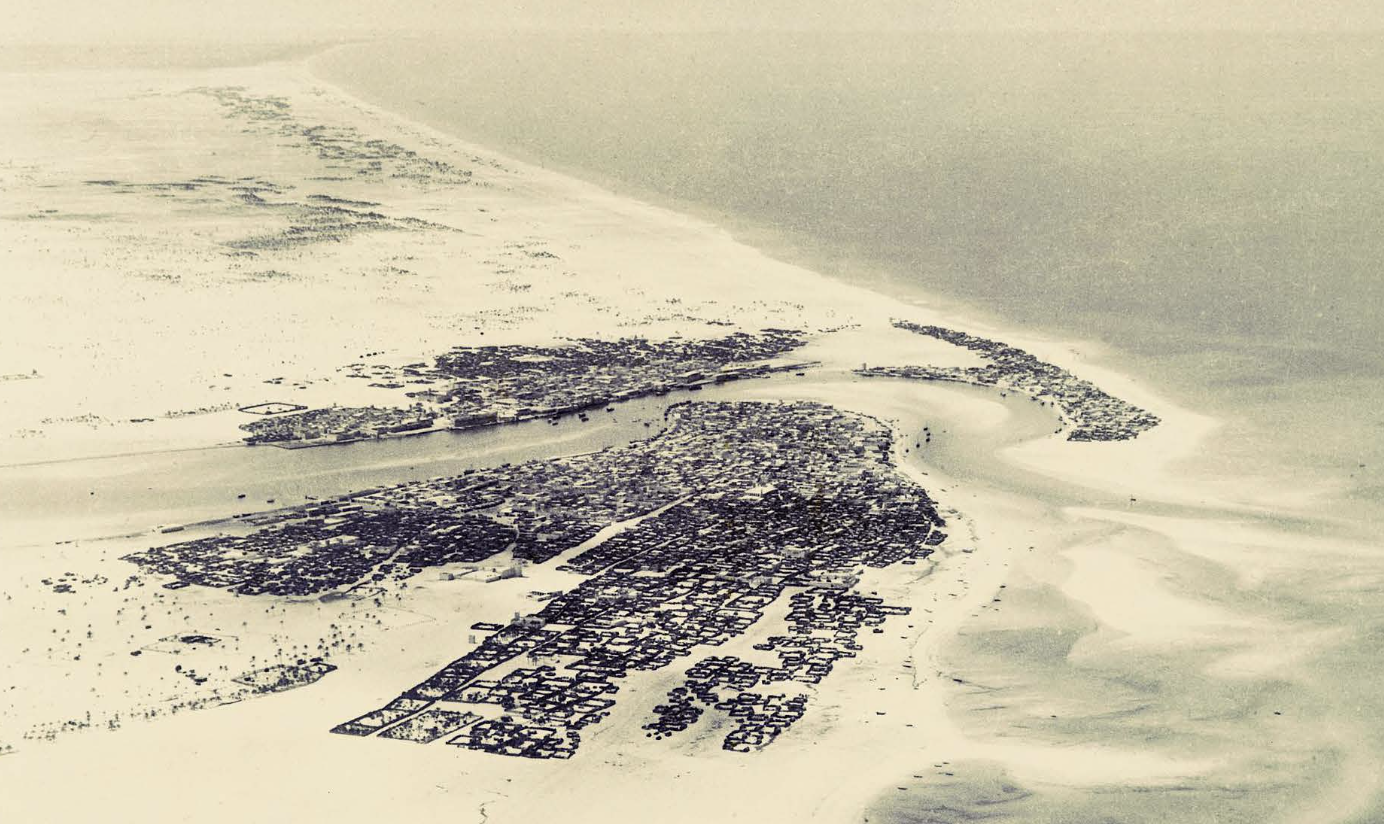
The Dubai Creek wasn’t deep enough for larger ships to enter. That all changed with Sheikh Maktoum bin Buti, who saw the potential for trade far beyond the horizon.
Sheikh Rashid: The Original Visionary CEO
Fast forward to the reign of Sheikh Rashid bin Saeed Al Maktoum (1958–1990) — the man who saw beyond sand and sea. He looked at Dubai and said, essentially, “Let’s turn this into the world’s crossroads.”
So he dredged the Creek (a truly gutsy move at the time), built the first airport, and created Jebel Ali Port — still one of the busiest on Earth.
Jebel Ali wasn’t a gamble; it was a chess move. A logistics hub that told the world: you can go through us, or around us — but you’ll want to go through us.
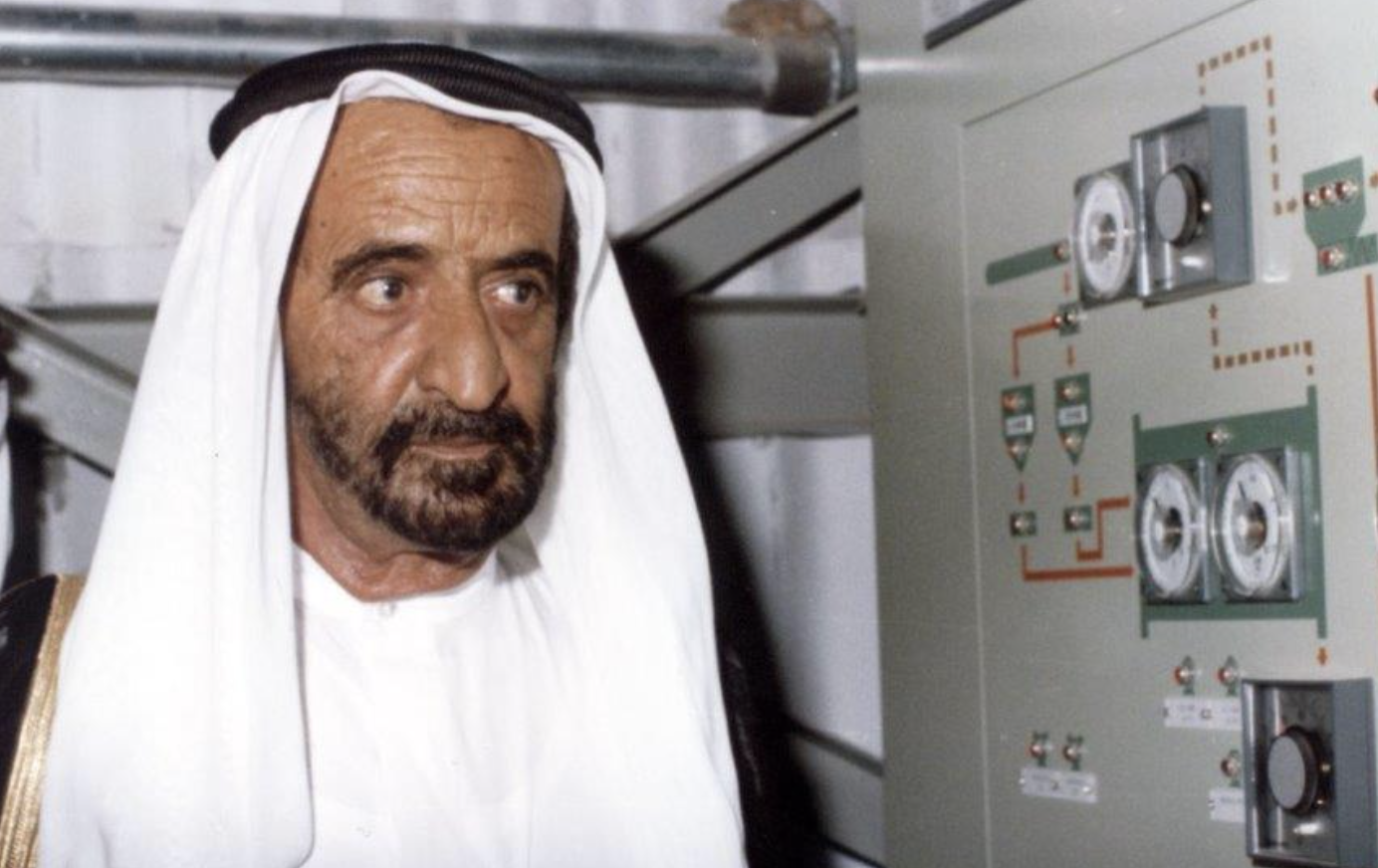
Sheikh Rashid embraced innovation like nobody else and embarked on countless audacious projects that laid the foundation of modern Dubai.
Mini poll: Which of these Sheikh Rashid projects do you think had the biggest long-term impact?
Sheikh Mohammed: The Innovator-in-Chief
If Sheikh Rashid built the foundation, Sheikh Mohammed bin Rashid Al Maktoum strapped rockets to it. Under his leadership, Dubai turned ambition into an Olympic sport.
The Burj Khalifa? A global exclamation point.
The Palm Islands? A visible-from-space “why not?”
The Museum of the Future? A literal building that looks like a time portal.
But beyond the spectacle lies something deeply strategic — Sheikh Mohammed’s push toward a knowledge economy, sustainability, and innovation. The man doesn’t just want Dubai to be rich; he wants it to be smart.
That line alone could power a TED Talk, a motivational poster, and a 10-year government strategy.
Vision Meets Velocity
So what makes the Al Maktoum leadership style so uniquely Dubai?
-
Long-term vision: They play the infinite game – looking way beyond their own lifetimes.
-
Speed of execution: Ideas become reality before most people finish their lattes.
-
Global mindset: Dubai was global before globalization was trendy – it’s a true melting pot.
-
Respect for roots: Tradition and modernity co-exist — you can sip Arabic coffee while watching drones deliver your food.
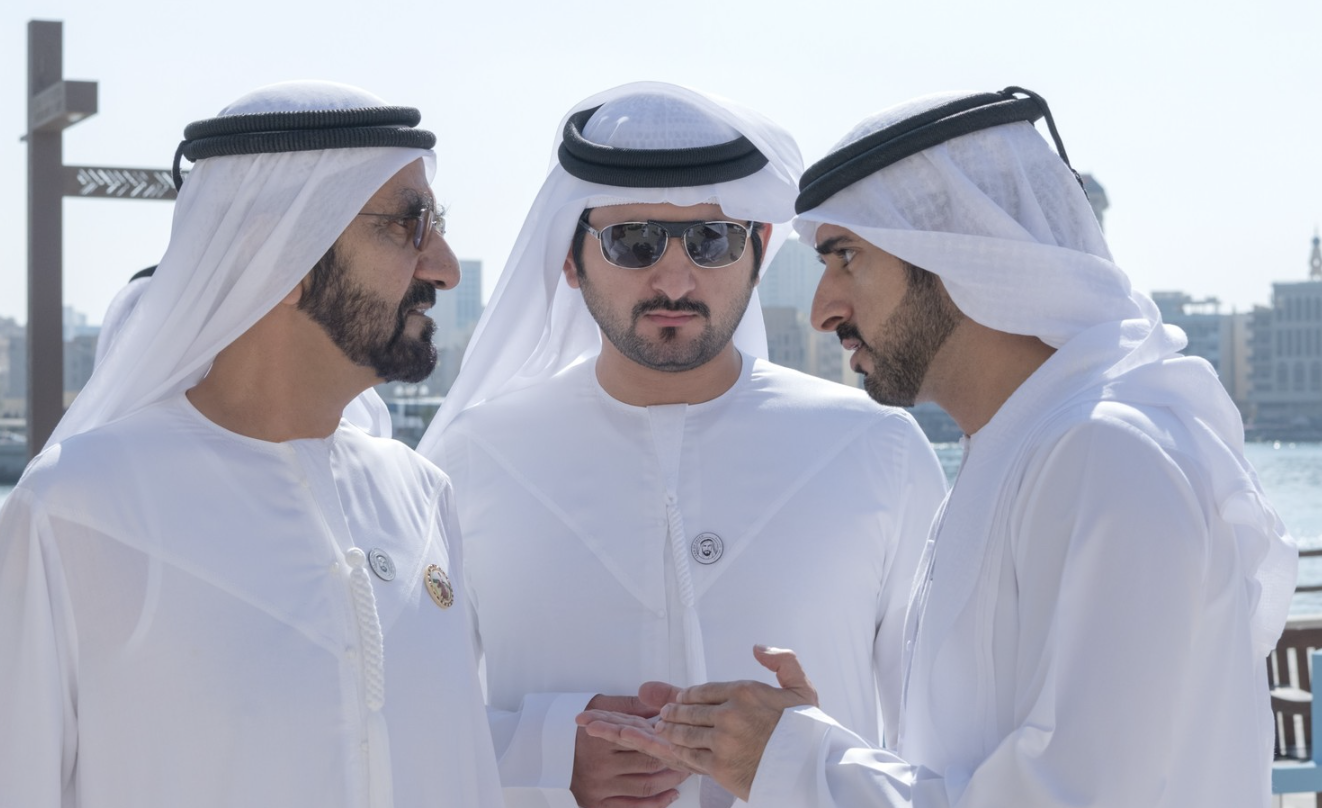
Sheikh Mohammed Bin Rashid Al Maktoum (left) with his sons; Sheikh Maktoum (middle) and Sheikh Hamdan (right) – the next generation taking Dubai’s legacy well into the future.
Quick reflection: Which of these traits do you most admire?
The Soul Beneath the Skyline
For all its skyscrapers and record-breaking everything, Dubai’s story is still about people. The Al Maktoums didn’t just build infrastructure — they built belonging. A sense that you can come from anywhere and still call this place home.
And that might be their greatest legacy.
Because what started as one family’s dream now fuels the dreams of over 200 nationalities.
Closing Thought
In Dubai, impossible isn’t a barrier — it’s an open invitation. And if you doubt that, just take another look at the skyline.
If you had Sheikh Mohammed’s power for one week, what would you do?