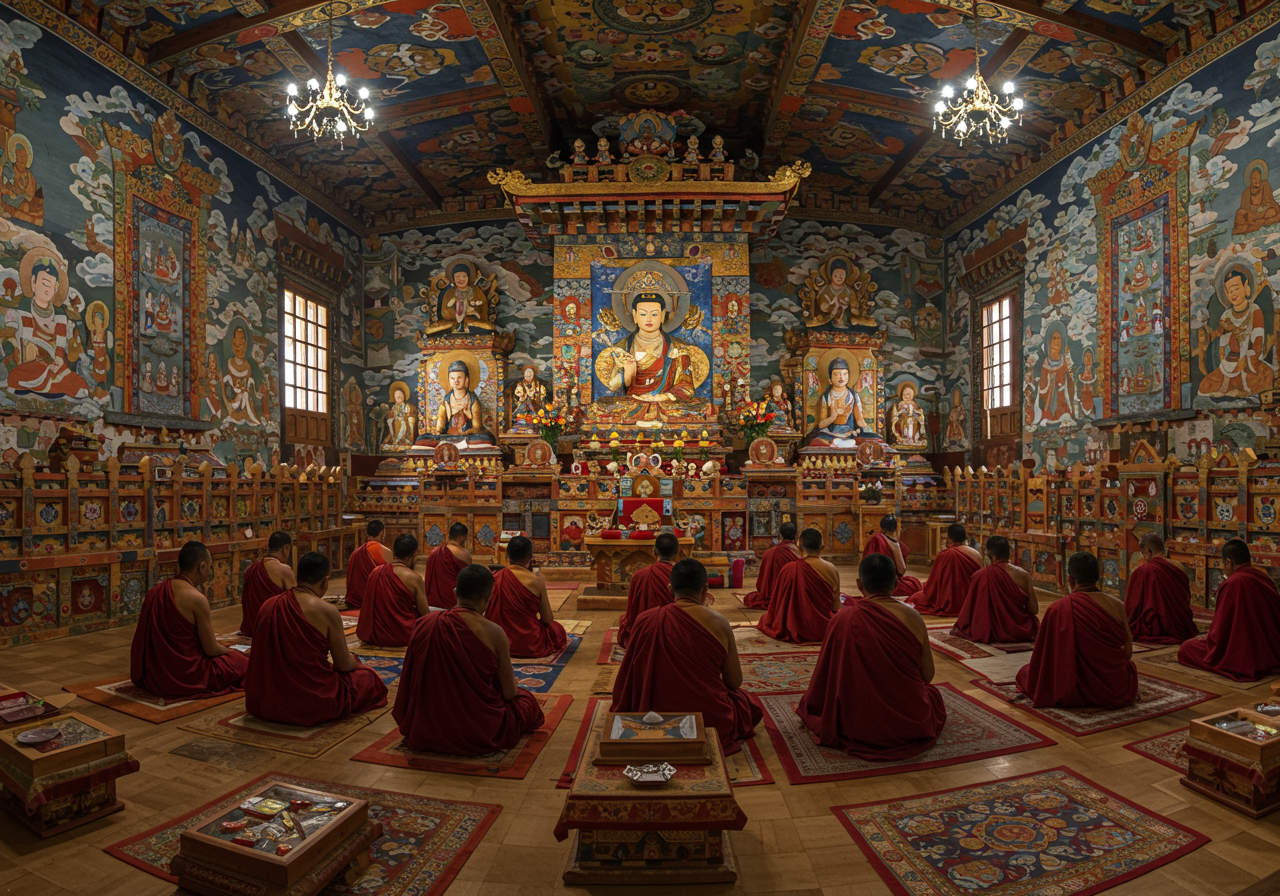

Bhutan, the Land of the Thunder Dragon, is a realm where spirituality permeates every aspect of life. Towering dzongs (fortress-monasteries) and humble lhakhangs (temples) dot the landscape, serving as vibrant centers of faith and community. For visitors, these sacred spaces offer a unique opportunity to witness Bhutanese Buddhism firsthand and connect with the country's profound spiritual heritage. However, entering these spaces requires a mindful approach, an understanding of local customs, and a deep respect for the sanctity they hold. This guide offers insights into key customs and practices, ensuring your journey leaves a positive impact while allowing you to connect with the heart of Bhutanese culture.
Entering Sacred Spaces: Temples and Monasteries
Bhutan's monasteries and temples, or lhakhangs, are more than just tourist attractions; they are living, breathing centers of spiritual life. Approaching these spaces with reverence is paramount.
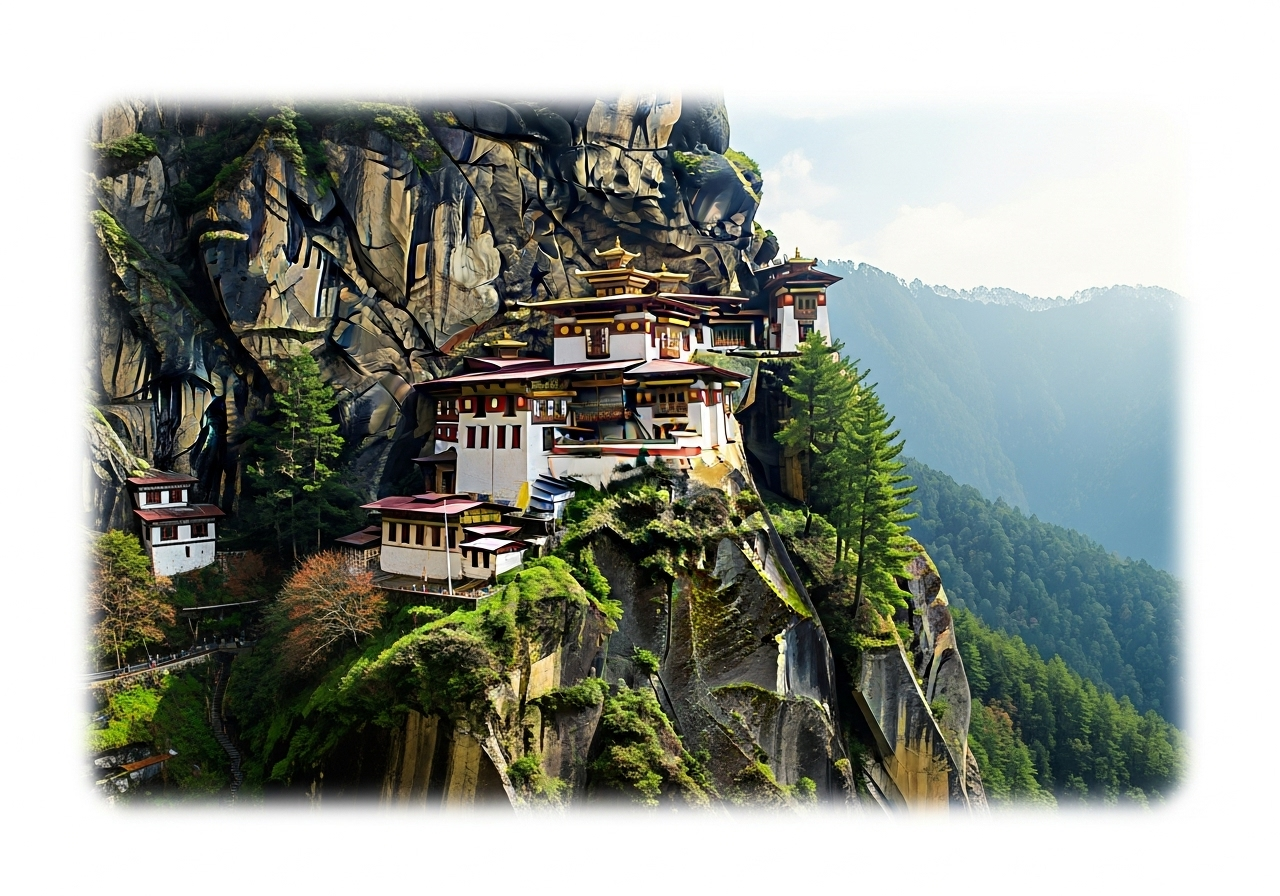
Paro Taktsang, the Tiger's Nest Monastery, is one of Bhutan's most sacred sites.
- Dress Code: Modest attire is a sign of respect in Bhutanese and Buddhist culture, especially when visiting sacred spaces like temples and monasteries. Revealing clothing can be seen as disrespectful in places dedicated to prayer and meditation. Wearing long pants or skirts and tops with sleeves helps you show reverence for the sanctity of the site and those who worship there.
- Headwear: Removing hats or caps when entering temples is a gesture of humility and respect. Covering the head is often associated with casual or outdoor attire, and is not appropriate inside spiritual spaces where a clean, unobstructed presentation symbolizes openness and reverence.
- Footwear: Shoes are considered unclean in Bhutanse cultures. Removing them before entering the main prayer halls preserves the purity of the sacred space. It also signifies leaving the material world behind and entering a place of spiritual focus. Wearing socks is generally acceptable as a sign of cleanliness.
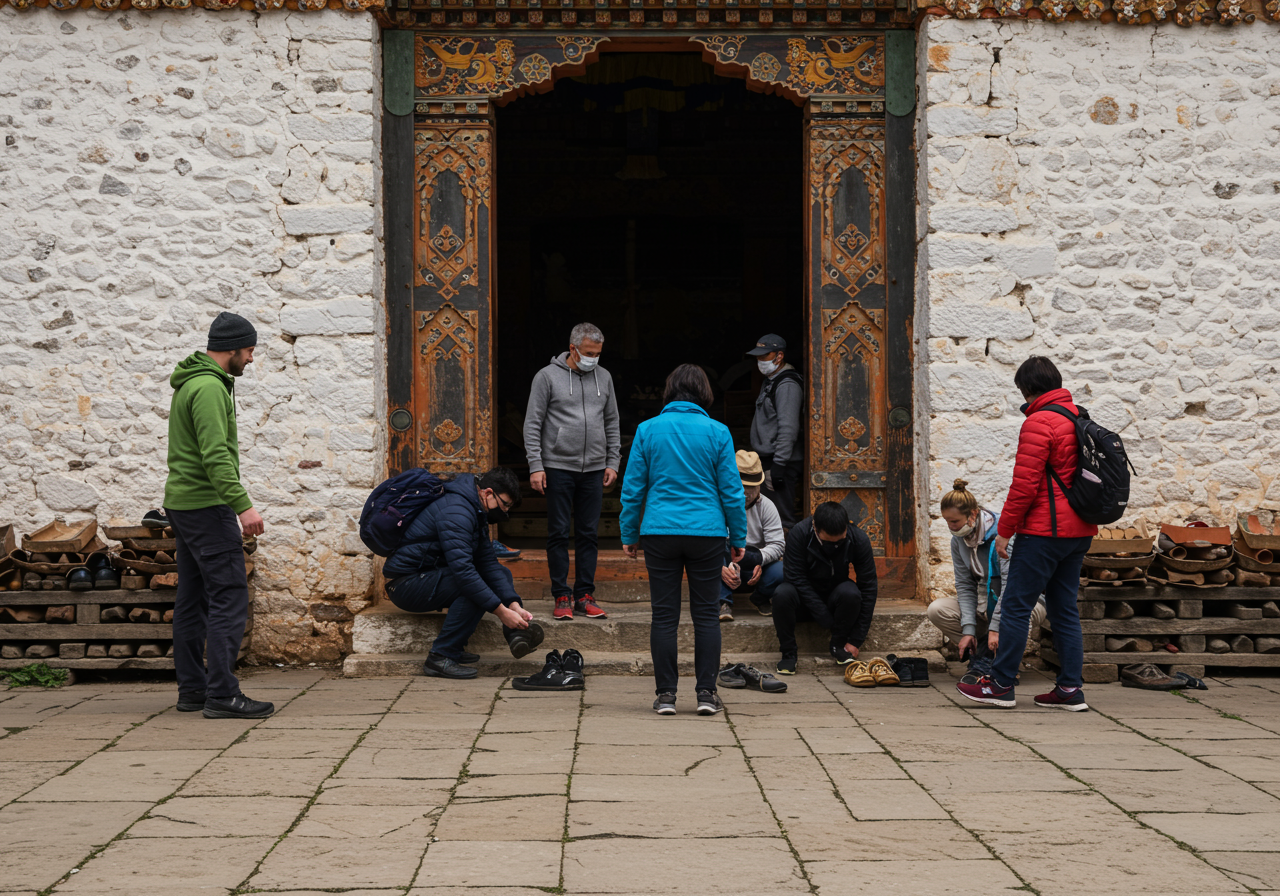
Removing shoes is a sign of respect before entering a temple. Look for designated shoe areas.
- Photography: Many temples prohibit photography to preserve the sanctity of the space and avoid distractions. Flash photography, in particular, can be disruptive and disrespectful during rituals or meditation. Always check for signage or ask permission, and if allowed, be discreet and avoid interrupting worshippers.
- Silence: Temples are places for quiet reflection, prayer, and meditation. Speaking loudly or engaging in disruptive behavior disturbs the peaceful atmosphere and can be inconsiderate to others in spiritual practice. Silence is part of honoring the space and its purpose.
- Circumambulation: Walking clockwise around temples or stupas (a practice known as kora) is a deeply symbolic act in Buddhist tradition. It represents aligning yourself with the path of wisdom and spiritual progress. Going counterclockwise is considered inauspicious, so be mindful of the direction when moving through or around sacred sites.
- Offerings: Offering butter lamps, coins, or other small items is a traditional way to express devotion and gratitude. These offerings are not transactional but symbolic—representing generosity, intention, and reverence. Even a small gesture is seen as meaningful and spiritually meritorious. When you offer a butter lamp or make a heartfelt donation, let it not be a ritual of habit, but an act of deep intention. First, cleanse your mind of anger, pride, or doubt. Then, let your offering become a vessel of compassion—radiating prayers for the healing of the world, the liberation of all sentient beings from suffering, and the awakening of wisdom and peace within yourself and your loved ones. In that moment, the flame you light is more than wax and wick—it is a symbol of your inner light guiding the way toward a more awakened existence
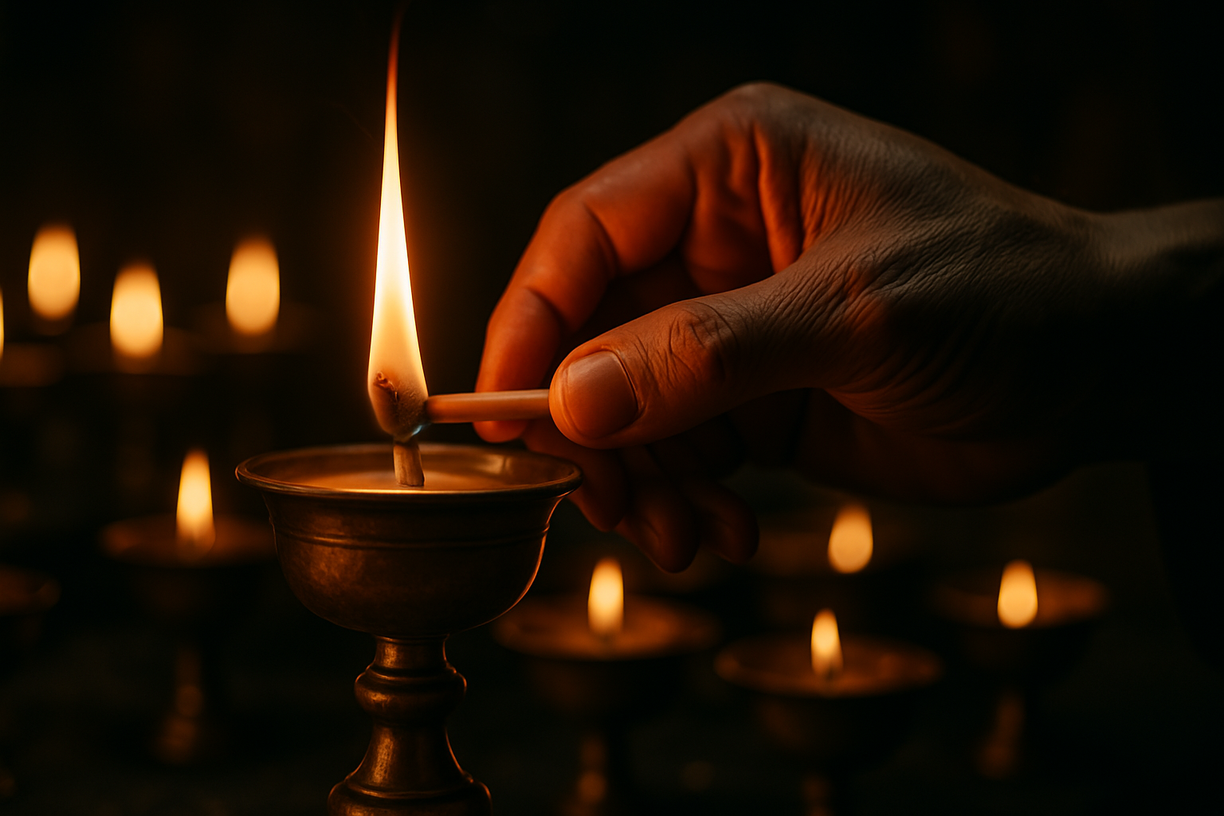
Where light meets devotion.
- Toilets and Sacred Boundaries: Open urination or relieving oneself near temples, monasteries, or natural features like large stones or trees is considered highly disrespectful in Bhutan. Many such places are believed to be inhabited by deities or spirits. Always use designated facilities, and when in doubt, ask your guide to ensure respectful behavior.
Which of these temple etiquette practices were new to you or most surprising?
Interacting with Monks and Nuns
Monks and nuns hold a revered position in Bhutanese society. Approaching them with respect is crucial.
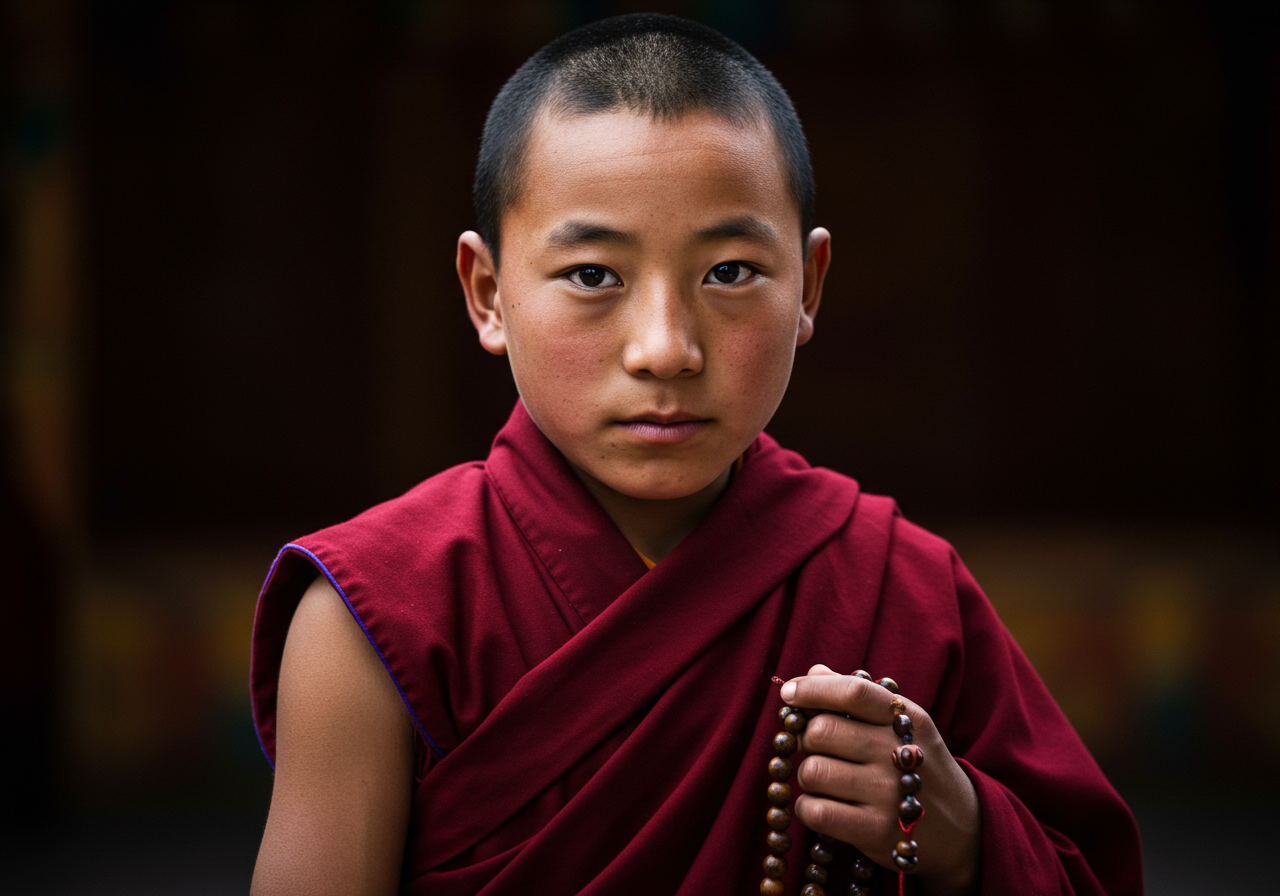
Monks play a vital role in Bhutanese society and are deeply respected.
- Physical Contact: In Bhutanese and Buddhist culture, monks and nuns are highly revered as spiritual practitioners. Physical contact with them—especially from the opposite sex—is considered inappropriate and can be uncomfortable or even offensive. Avoid shaking hands, hugging, or touching their robes, as these gestures may unintentionally violate their monastic vows of celibacy and modesty. Instead, offer a respectful bow or clasp your hands in a prayer gesture (namaste) as a greeting.
- Level: When speaking to a monk or nun, positioning yourself at a slightly lower level is a traditional way of showing respect and humility. This can be done by bowing your head or sitting if they are seated. Standing over them or looking down may be perceived as disrespectful. This practice reflects the deep reverence held for spiritual figures and recognizes their dedication to the monastic path.
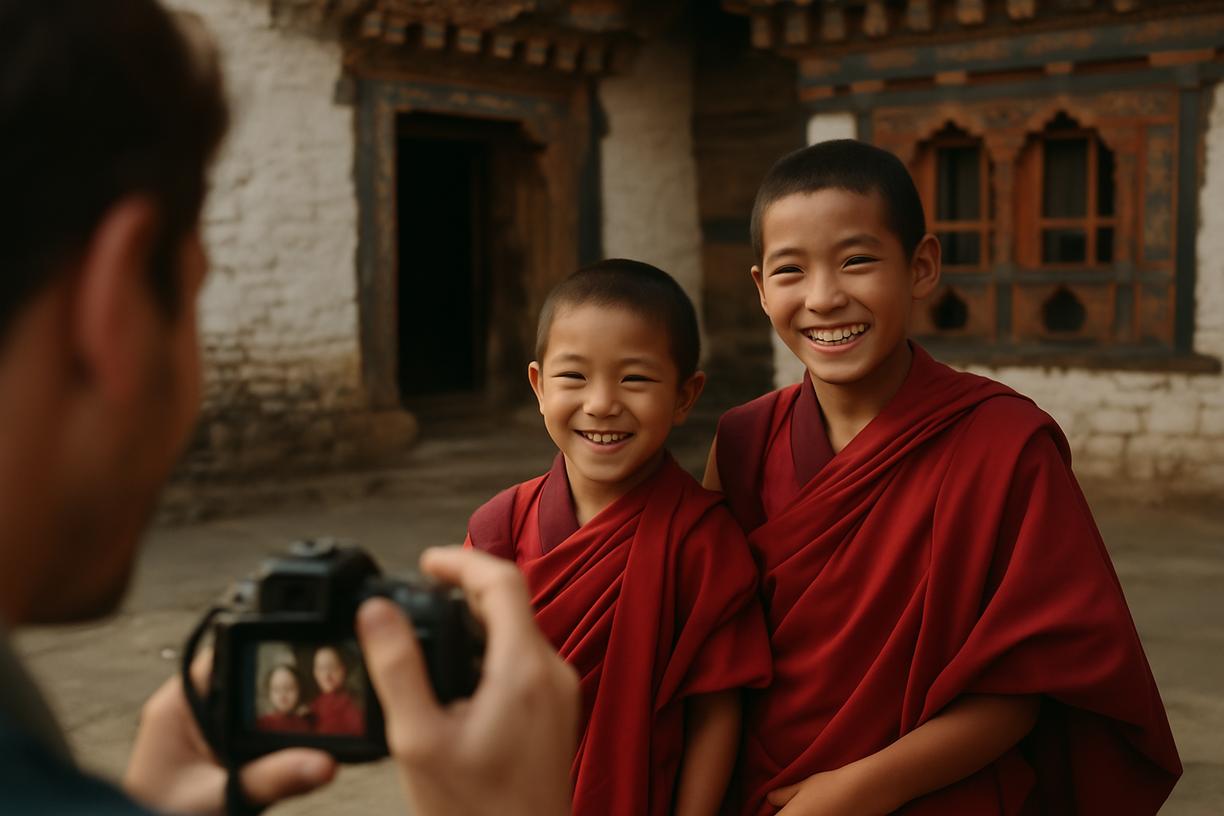
When traditions meet new friends: A picture-perfect moment in Bhutan.
- Gifts: If you wish to offer a gift—whether it’s a small token, donation, or offering—always present it with both hands. Using both hands is a cultural sign of sincerity, humility, and genuine intention. Avoid handing over items casually or with one hand, as this can appear disrespectful or careless in a formal or spiritual context.
- Conversation: When engaging with monks or nuns, speak respectfully and with a calm demeanor. Avoid loud tones, sarcasm, or confrontational topics. It’s best to let them guide the conversation, as they are trained in discretion and spiritual dialogue. Many monastics prefer speaking only when necessary, so observing their cues and maintaining a peaceful tone is key to a respectful exchange.
If you had the chance to share a moment of quiet conversation with a Bhutanese monk or nun, what would you hope to learn—or ask—that could guide your own life journey?
Visiting Bhutan’s sacred spaces is more than sightseeing—it is a journey into the spiritual heart of a nation where every stone, gesture, and silence carries meaning. By honoring temple etiquette and engaging with humility, you not only show respect for Bhutanese culture but also open yourself to deeper personal transformation. In every butter lamp offered, every shoe removed, and every quiet moment held in a monastery, you become part of a timeless tradition that values mindfulness, compassion, and inner awakening. Let your presence be a blessing—not just to the places you visit, but to your own path of discovery.