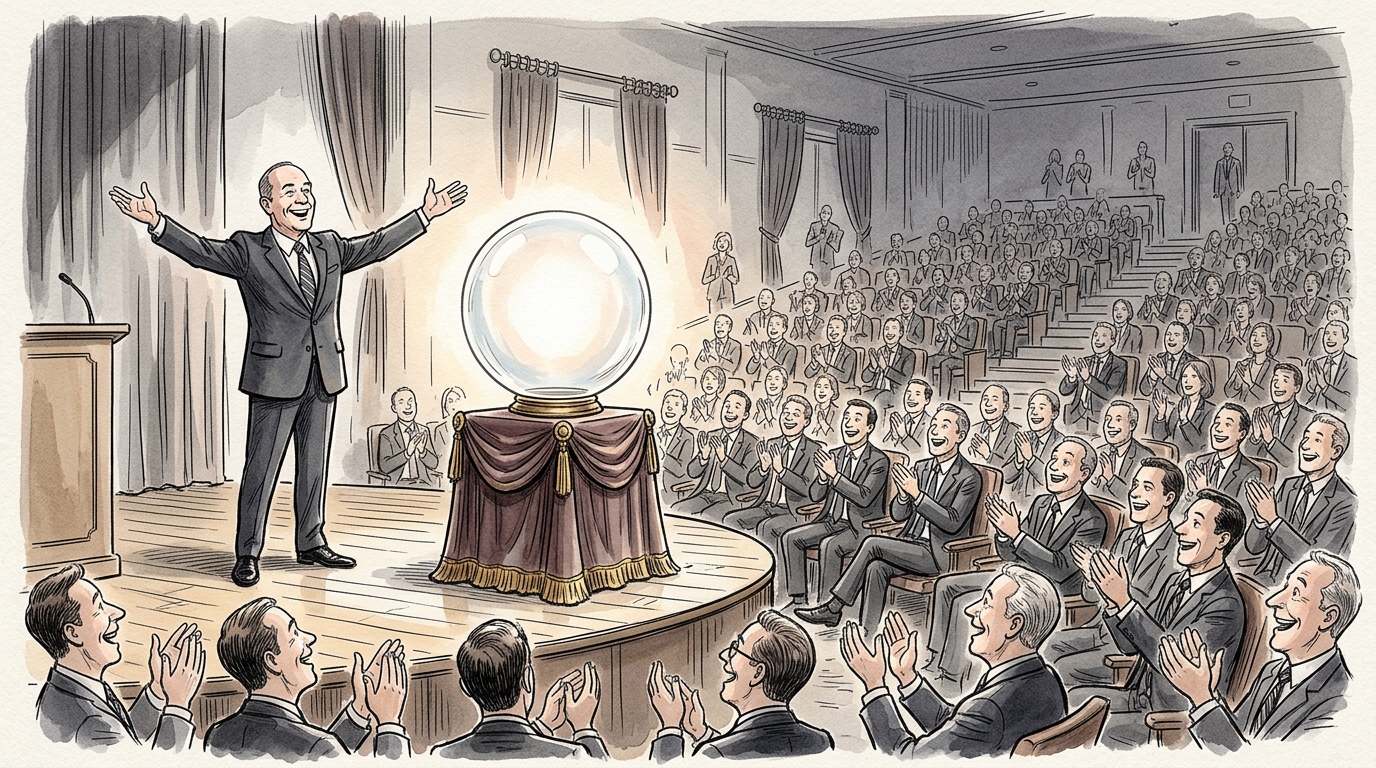

The Cult of Intelligent Waste
Somewhere right now, a team of very smart people is passionately workshopping a project that will achieve absolutely nothing. They’re aligning synergies, designing dashboards, and fine-tuning a “cross-platform innovation strategy.” What they’re really doing, of course, is building a boondoggle—a dazzling exercise in doing nothing, very expensively.
Boondoggles are the crown jewels of corporate delusion. They’re the projects that begin with fanfare, balloon with buzzwords, and end in polite silence when no one wants to admit what went wrong. Think of them as the organizational equivalent of a midlife crisis—flashy, self-justifying, and ruinous to the budget.
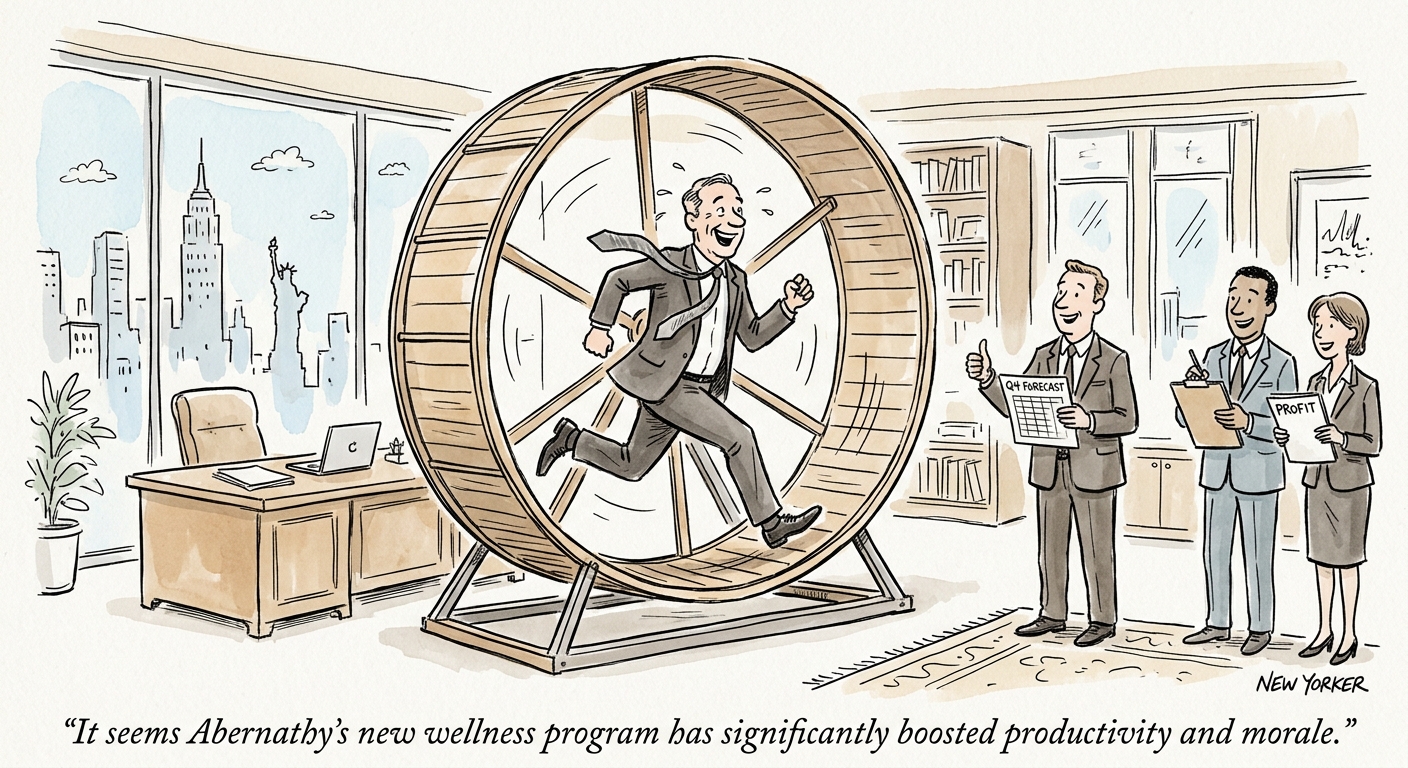
How Smart People Build Dumb Things
It’s tempting to assume boondoggles are born from incompetence. But in truth, they’re often created by the smartest people in the room—just people with too much PowerPoint and not enough pushback.
The psychology behind a boondoggle is elegantly tragic. It starts with optimism bias (“This time will be different!”), continues through groupthink (“Everyone else seems excited, so it must be good!”), and ends with the sunk cost fallacy, that cruel logic that whispers: “We’ve already spent too much to stop now.” By the time reason re-enters the chat, the money’s gone and the post-mortem slides are in draft.
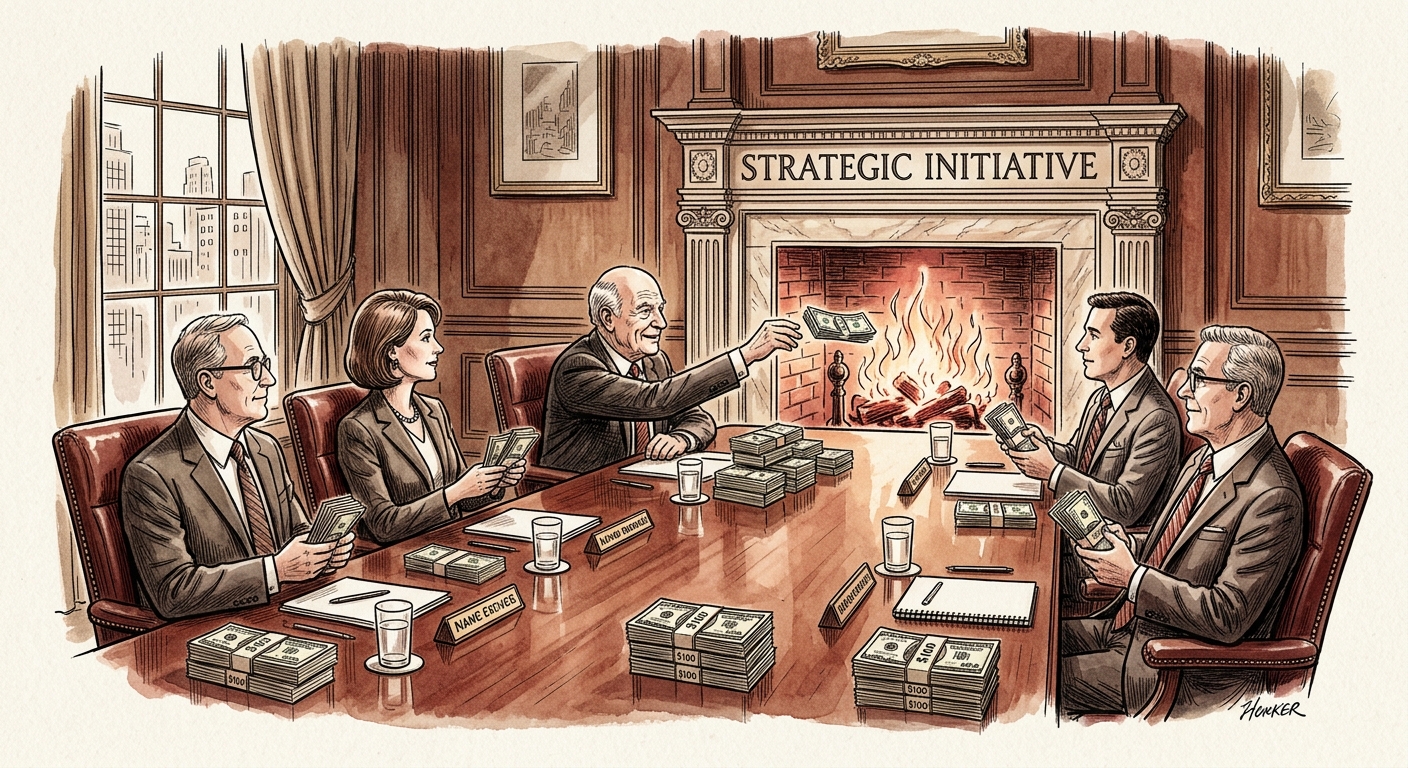
The Cost of Pretend Progress
Boondoggles aren’t just expensive; they’re existentially costly. Every hour spent polishing vanity projects is an hour stolen from meaningful work. The waste compounds—time, morale, and focus all vanish in the glow of “strategic alignment.”
Take the infamous F-35 fighter jet program, which has racked up over $300 billion in overruns. Or the $1 billion HealthCare.gov debacle that crashed on launch day. These aren’t minor miscalculations—they’re reminders that when ambition isn’t tethered to reality, even the best intentions can bankrupt you.
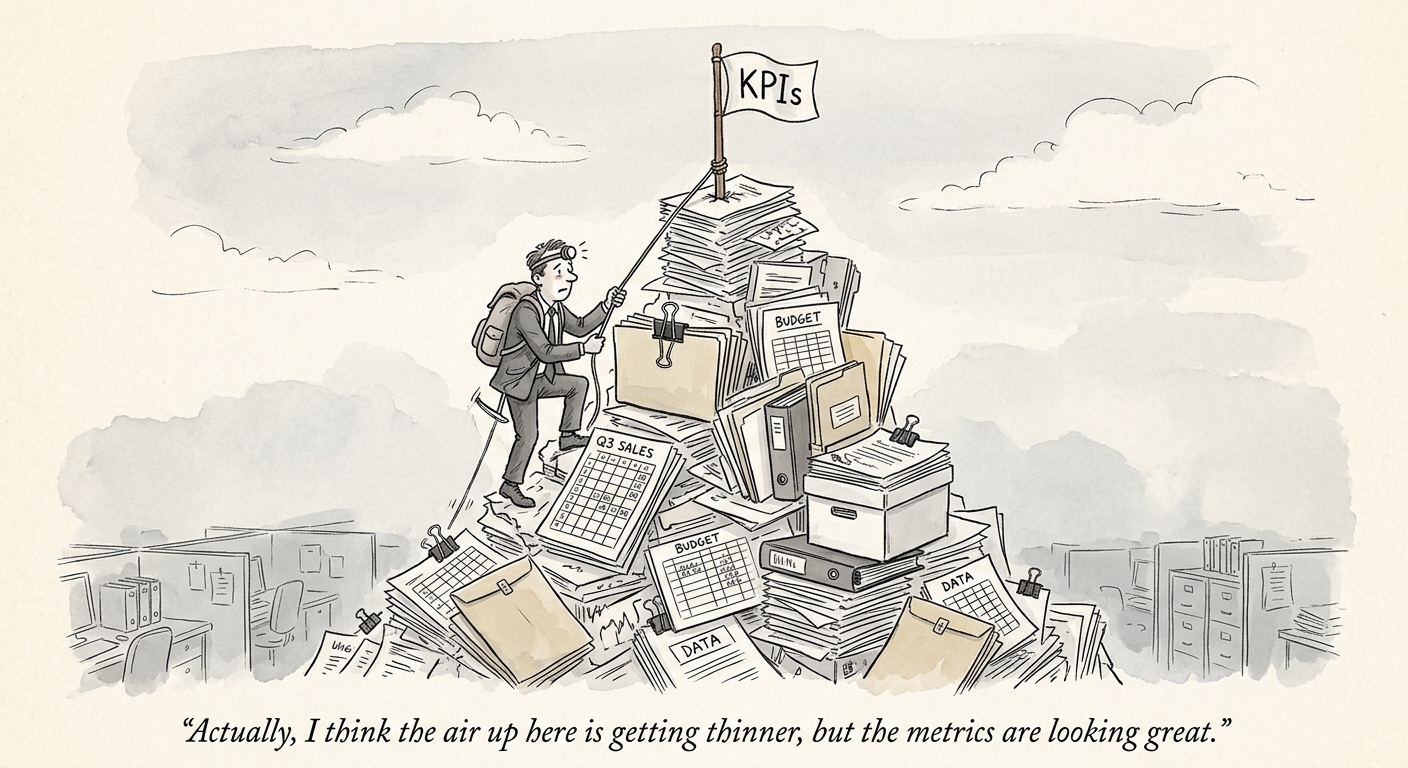
The Politics of the Boondoggle
Boondoggles thrive where appearances matter more than outcomes. In these ecosystems, no one wants to be the skunk at the garden party. Critique is career suicide, and applause is currency.
Executives, meanwhile, often use these projects as platforms for “thought leadership.” The project becomes a personal brand investment — not a value creation exercise.
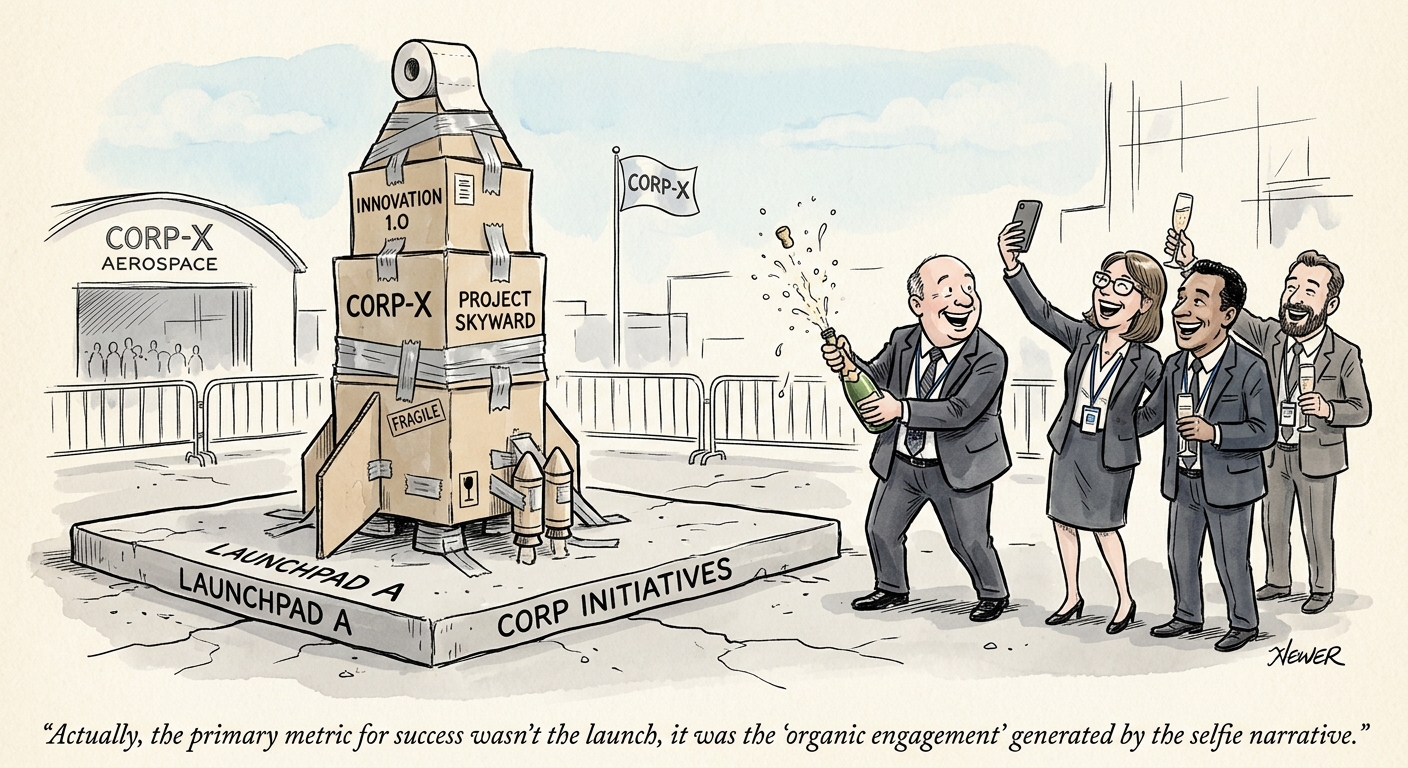
Buzzword Ecology
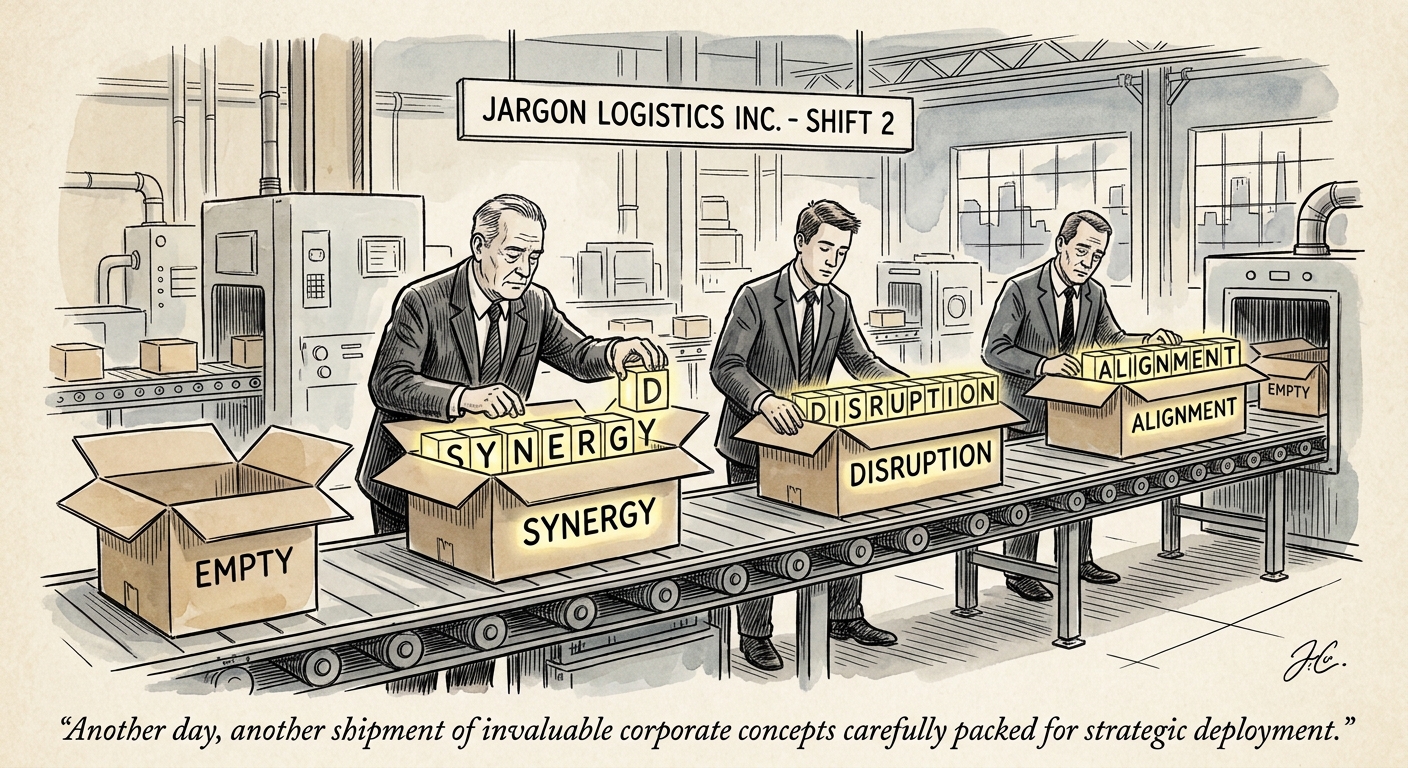
If there’s one thing corporate boondoggles love, it’s vocabulary. “Transformation.” “Agility.” “Disruption.” These aren’t words; they’re talismans. Sprinkle them liberally, and even the most disastrous initiative will sound visionary.
In most organizations, language becomes camouflage. Real progress is lost beneath an avalanche of “ecosystem integration frameworks” and “AI-powered synergy enablers.”
The Eternal Meeting
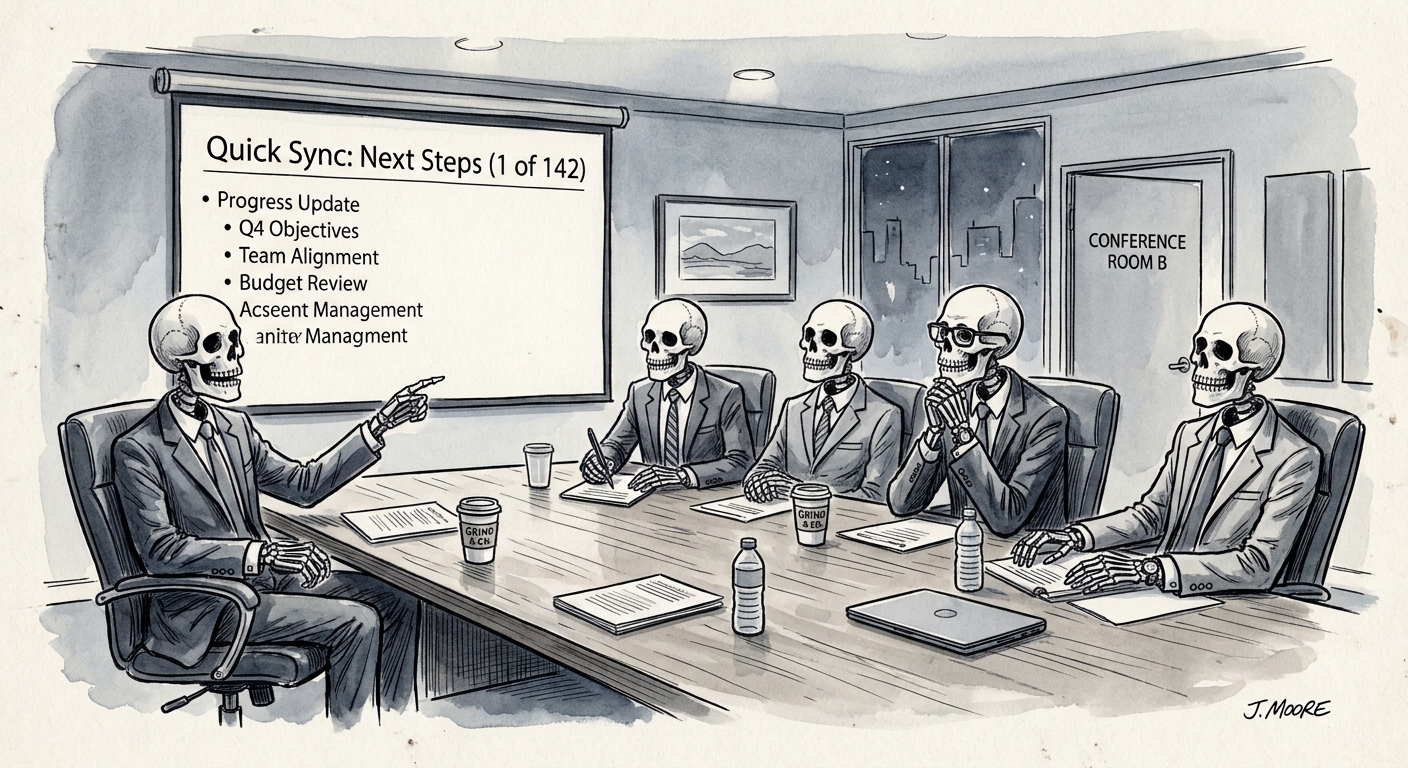
Of course, every boondoggle has a home base: the meeting room. Endless discussions, circular debates, and slide decks thicker than novels. A Harvard study found managers spend 23 hours a week in meetings — half deemed “ineffective.” That’s not collaboration; that’s slow-motion entropy.
What is your pet peeve and/or what frustrates you the most at work?
When you're ready, evaluate your responses: