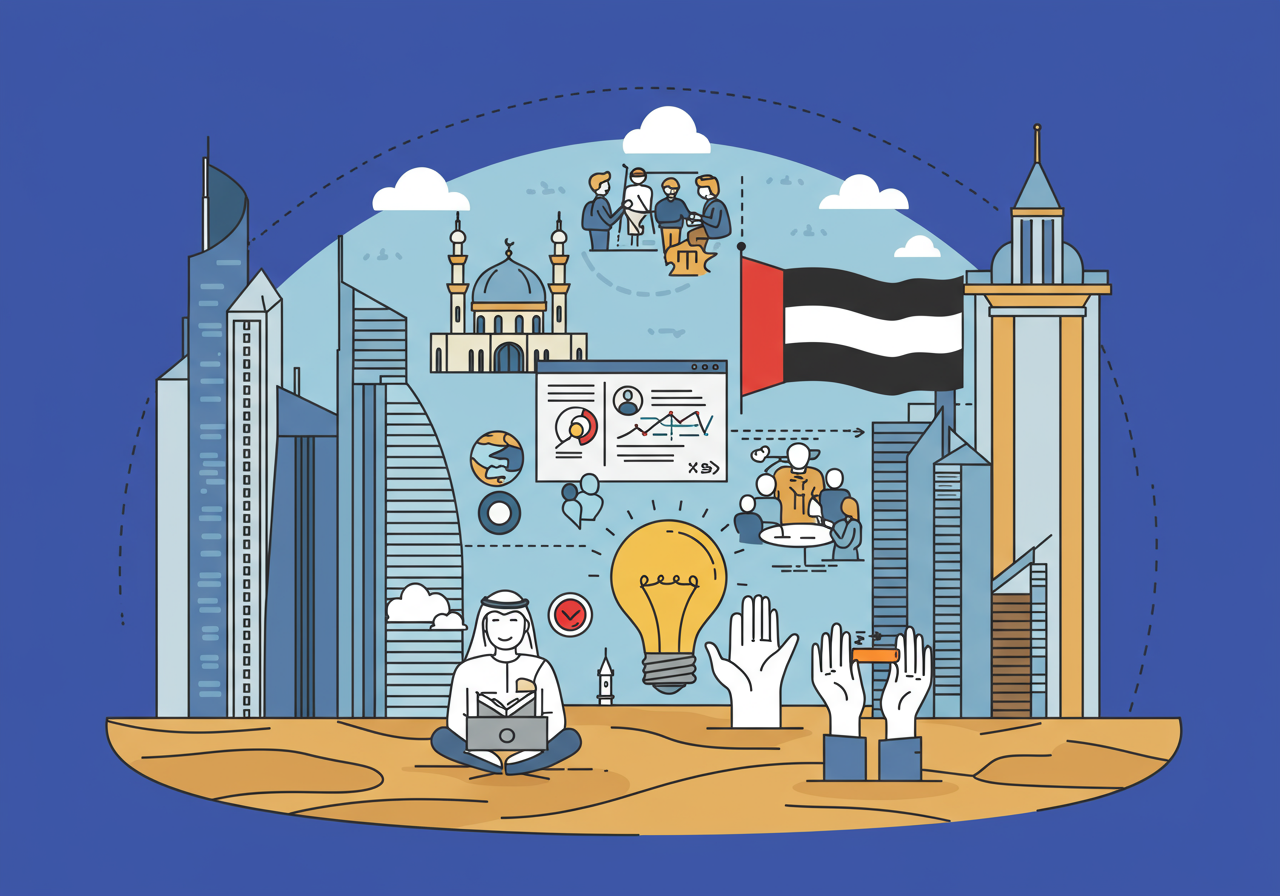

In today's rapidly evolving business landscape, marked by constant change and innovation, one element stands out as crucial for organizational success: psychological safety. It’s more than just a buzzword; it's the bedrock upon which trust, collaboration, and innovation are built. In the UAE, with its ambitious Vision 2030 and its commitment to fostering a knowledge-based economy, psychological safety is particularly vital. It allows Emirati and expatriate professionals alike to contribute their diverse perspectives and talents without fear of judgment or reprisal.
I feel psychologically safe at my workplace
Psychological safety, as defined by Harvard Business School professor Amy Edmondson, is a belief that one will not be punished or humiliated for speaking up with ideas, questions, concerns, or mistakes. It's about creating an environment where individuals feel comfortable being themselves, sharing their thoughts, and taking calculated risks. In environments lacking psychological safety, employees are more likely to remain silent, withhold crucial information, and avoid challenging the status quo, ultimately stifling innovation and hindering organizational growth.
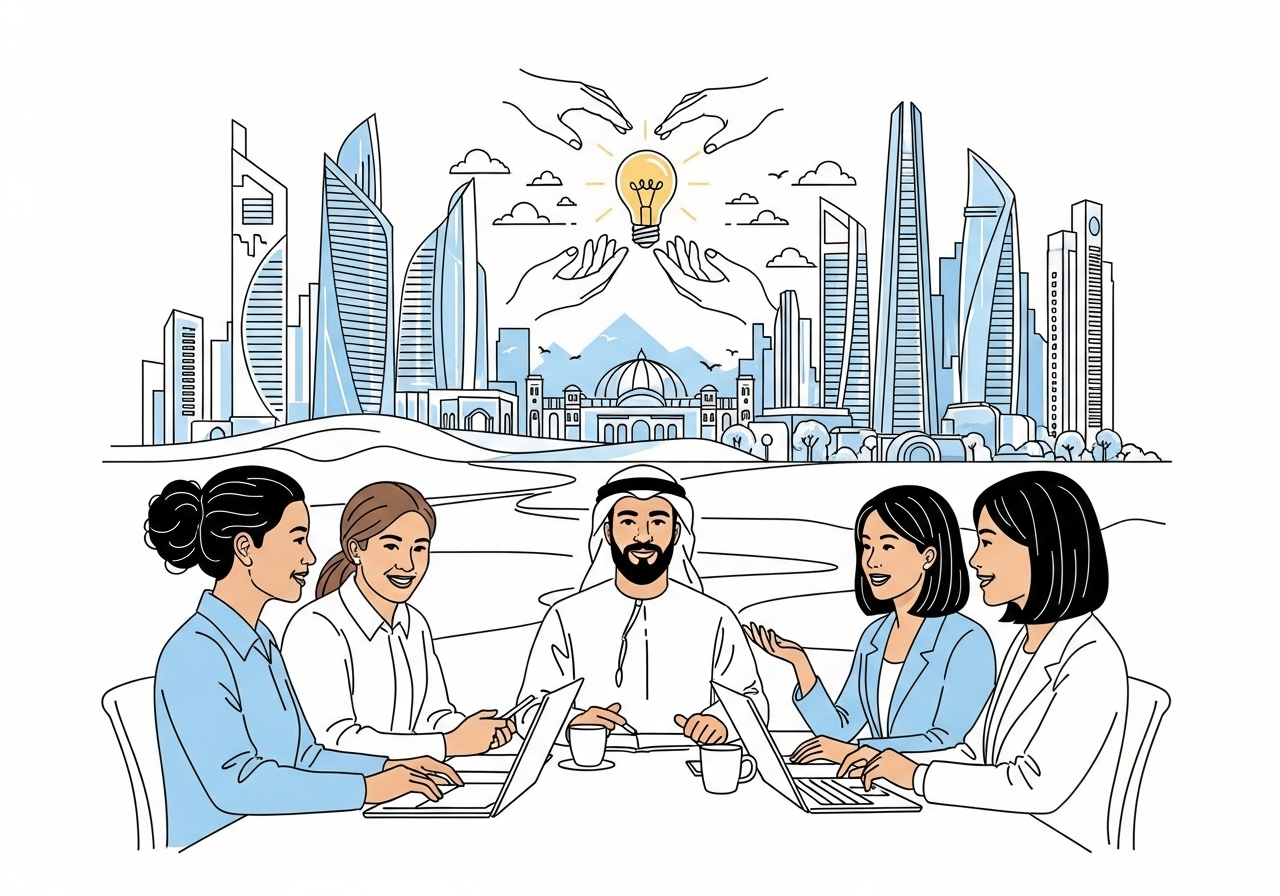
Open communication and mutual respect are hallmarks of a psychologically safe environment.
The Pillars of Psychological Safety
So, how do we cultivate this essential ingredient in the workplace? It starts with understanding its core components:
- Trust: Trust is the foundation of psychological safety. Employees need to believe that their leaders and colleagues have their best interests at heart and will support them, even when they make mistakes.
- Respect: Valuing each individual's unique perspective and contribution is paramount. Respect means actively listening to what others have to say, even if you don't agree with them, and acknowledging their expertise and experience. In the UAE's multicultural environment, this is particularly important.
- Open Communication: Creating channels for open and honest communication is crucial. This includes encouraging employees to ask questions, share feedback, and voice concerns without fear of retribution.
- Empathy: Understanding and acknowledging the emotions and perspectives of others fosters a sense of connection and belonging. Empathy allows leaders to respond to employee needs with compassion and support.
Practical Strategies for Leaders
Leaders play a pivotal role in establishing and maintaining psychological safety. Here are some practical strategies they can implement:
- Lead by Example: Leaders must model the behaviors they expect from their employees. This includes being open to feedback, admitting mistakes, and demonstrating vulnerability.
- Encourage Questions and Feedback: Actively solicit input from employees and create safe spaces for them to share their thoughts and concerns. This can be done through regular check-ins, team meetings, or anonymous surveys.
- Frame Failure as a Learning Opportunity: Instead of punishing mistakes, leaders should view them as opportunities for growth and learning. Encourage employees to share their failures and discuss what they learned from them. In line with Islamic values, seeking knowledge and wisdom from all experiences is crucial for growth.
- Promote Active Listening: Train leaders and employees in active listening skills, such as paraphrasing, summarizing, and asking clarifying questions. This ensures that everyone feels heard and understood.
- Recognize and Reward Open Communication: Acknowledge and appreciate employees who speak up, share ideas, and take risks. This reinforces the message that open communication is valued and encouraged.
- Foster a Culture of Inclusion: Create a workplace where everyone feels welcome, respected, and valued for their unique contributions. This includes promoting diversity, equity, and inclusion initiatives and addressing any instances of bias or discrimination. The UAE's commitment to tolerance and inclusivity provides a strong foundation for this.
- Implement Clear and Fair Processes: Ensure that decision-making processes are transparent and equitable. This helps to build trust and reduces the perception of favoritism or bias.
- Provide Training and Development: Offer training programs on psychological safety, communication skills, and conflict resolution. This equips employees with the tools and knowledge they need to navigate challenging conversations and build stronger relationships.
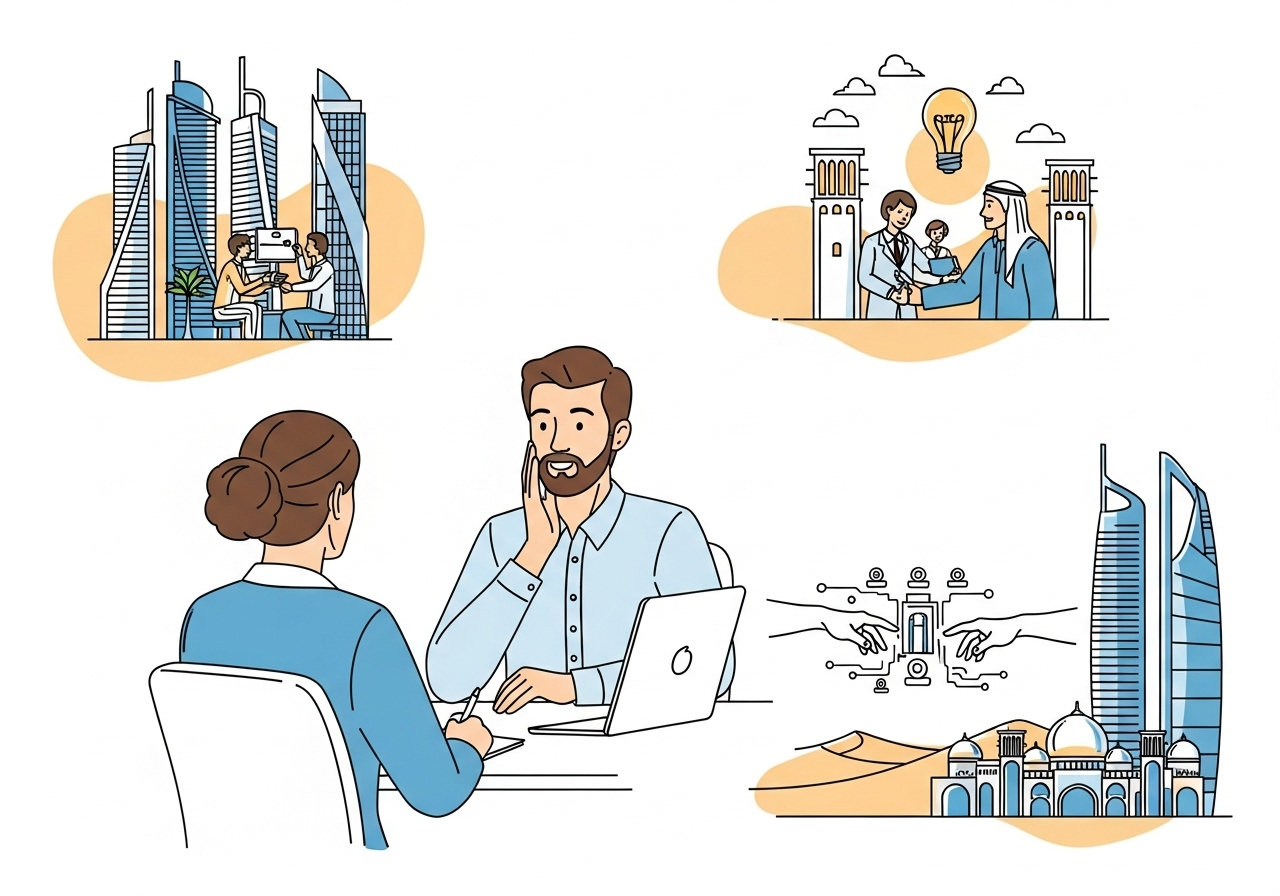
Active listening is a key skill for leaders to foster psychological safety.
Psychological Safety in the UAE Context
The principles of psychological safety are particularly relevant in the UAE's diverse and rapidly evolving business environment. With its large expatriate population and its focus on innovation, creating a culture of psychological safety is essential for attracting and retaining top talent, fostering collaboration, and driving economic growth.
Moreover, psychological safety aligns with the UAE's cultural values of respect, tolerance, and open communication. By creating workplaces where employees feel empowered to speak up, share ideas, and take risks, organizations can tap into the full potential of their workforce and contribute to the UAE's vision of becoming a global hub for innovation and entrepreneurship.
Consider, for example, a multinational technology company with offices in Dubai. By implementing the strategies outlined above, the company was able to create a more inclusive and collaborative work environment. Employees reported feeling more comfortable sharing their ideas, even if they were unconventional, and taking risks on new projects. As a result, the company saw a significant increase in innovation and productivity.
The Long-Term Benefits
Investing in psychological safety yields significant long-term benefits, including:
- Increased Innovation: When employees feel safe to experiment and take risks, they are more likely to generate new ideas and solutions.
- Improved Performance: Psychological safety enhances team collaboration, communication, and problem-solving, leading to improved performance.
- Reduced Turnover: Employees who feel valued and supported are more likely to stay with their organizations.
- Enhanced Employee Well-being: Creating a psychologically safe environment reduces stress, anxiety, and burnout, leading to improved employee well-being.
- Stronger Organizational Culture: Psychological safety fosters a culture of trust, respect, and open communication, which strengthens the overall organizational culture.
In conclusion, creating a culture of psychological safety is not just a nice-to-have; it's a must-have for organizations that want to thrive in today's dynamic business environment. By fostering trust, encouraging open communication, and promoting a supportive environment, leaders can empower employees to speak up, share ideas, and take risks, ultimately driving innovation, improving performance, and creating a more fulfilling and productive workplace. The UAE, with its commitment to innovation and its diverse workforce, is well-positioned to lead the way in building organizations where psychological safety is a core value.
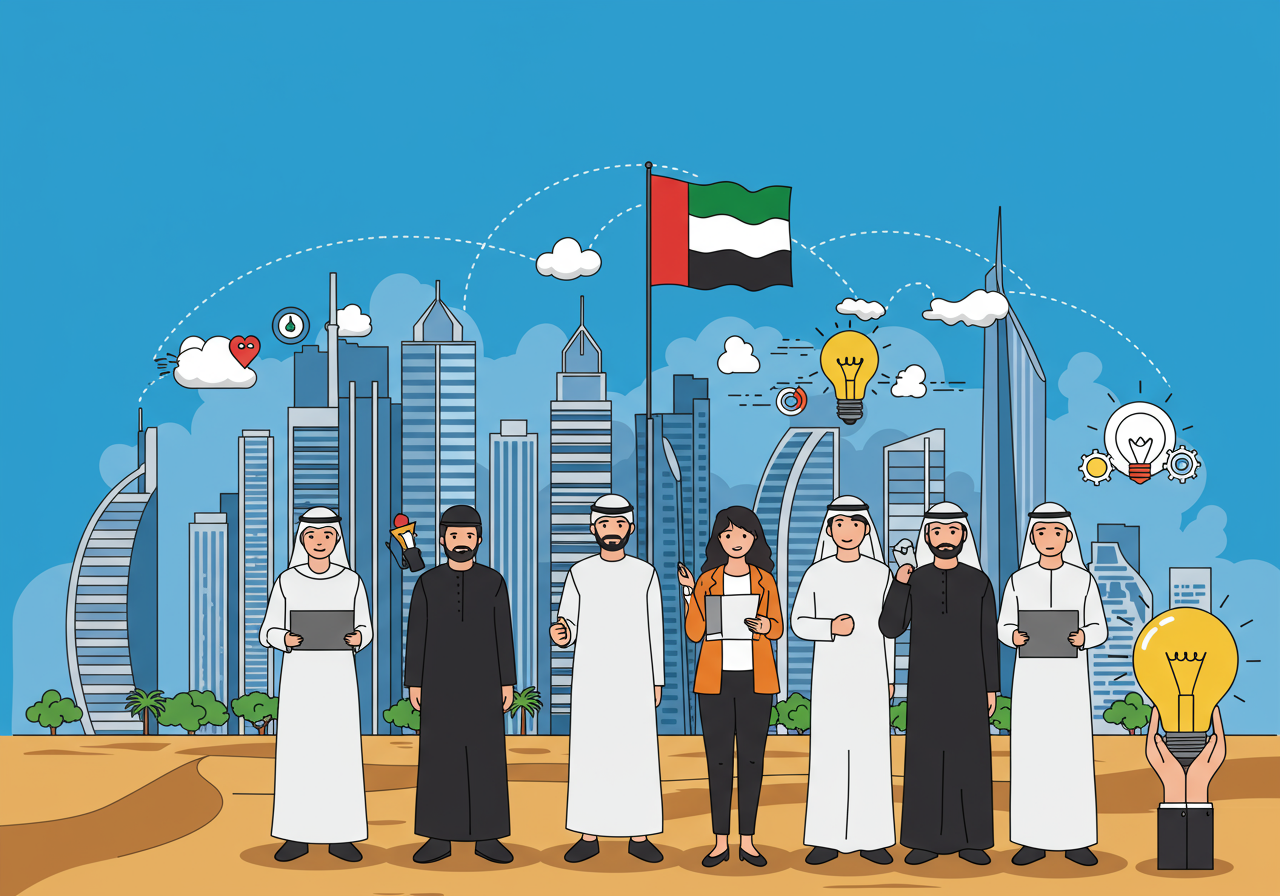
Psychological safety fosters teamwork and a sense of shared accomplishment.
Creating psychological safety is not a one-off initiative; it’s an ongoing commitment. Every conversation, every meeting, every decision is an opportunity to demonstrate that voices matter and that honesty is valued. When leaders actively cultivate trust and empathy, they unlock their teams’ full potential. And in a diverse and dynamic environment like the UAE, this commitment can spark extraordinary innovation — turning safe spaces into launchpads for bold ideas and sustainable success. The future belongs to organizations that embrace psychological safety as their greatest strength.
Reflecting on your own team environment, what’s one small but meaningful action you could take this week to make it feel safer for someone to speak up?
References